Commercial Roof Contractors in Minnesota: Services, Repairs, and Replacement
Commercial building owners in Minnesota demand roofing contractors who combine local climate expertise with proven reliability. Top commercial roof contractors in Minnesota deliver precision in installation, repair, replacement, and maintenance, protecting assets from seasonal extremes. This guide outlines the core services available, compares leading roofing systems suited to Minnesota’s weather, examines cost factors for repair and replacement, and highlights how Allweather Roof’s century of experience, 24/7 emergency response, and free commercial roof assessments support informed decisions. Readers will discover service scopes, material benefits, pricing drivers, maintenance strategies, signs of roof distress, and the industrial capabilities that distinguish Minnesota’s best providers.
Looking for a contractor for a full tear-off? Learn about our commercial roof replacement and re-roofing service for Minneapolis, St. Paul and the rest of Minnesota.
What Services Do Top Commercial Roofing Companies in Minnesota Offer?
Leading roofing companies in Minnesota provide a full spectrum of commercial roofing solutions designed for durability and performance under harsh winters and warm summers. Core offerings include roof repair for leaks and storm damage, complete roof replacement with modern membrane systems, scheduled maintenance to extend roof life, skylight installation for natural lighting, and 24/7 emergency repairs. These services address building integrity, energy efficiency, and asset protection through systematic inspections, certified workmanship, and manufacturer-backed warranties.
A key element of professional roofing service is preventative maintenance, which combines annual inspections, debris removal, and seam resealing to prevent costly failures. When urgent issues arise, rapid-response teams restore watertight integrity and preserve warranty coverage. Consistent maintenance also reduces lifecycle costs and supports energy-saving roof coatings. Understanding these service layers prepares property managers to select a contractor whose offerings match both immediate needs and long-term investment goals.
Which Commercial Roof Repair Services Are Available in Minnesota?
Commercial roof repair services in Minnesota focus on restoring membrane integrity, eliminating leaks, and reinforcing aging seams. Technicians repair punctures, reseal flashing around penetrations, address ponding water issues, and apply waterproof coatings that bond to TPO, EPDM, PVC, and modified bitumen membranes. These repairs rely on material-specific sealants and certified techniques to maintain system warranties and prevent recurring damage.
Repair assessments begin with a detailed roof condition survey that identifies moisture intrusion, substrate deterioration, and insulation damage. By targeting localized issues with precision patching and adhesive application, contractors extend the roof’s service life and delay the need for full replacement. Seamless integration of repair methods into maintenance schedules further optimizes performance and budget planning.
How Do Commercial Roof Replacement Services Work in Minnesota?
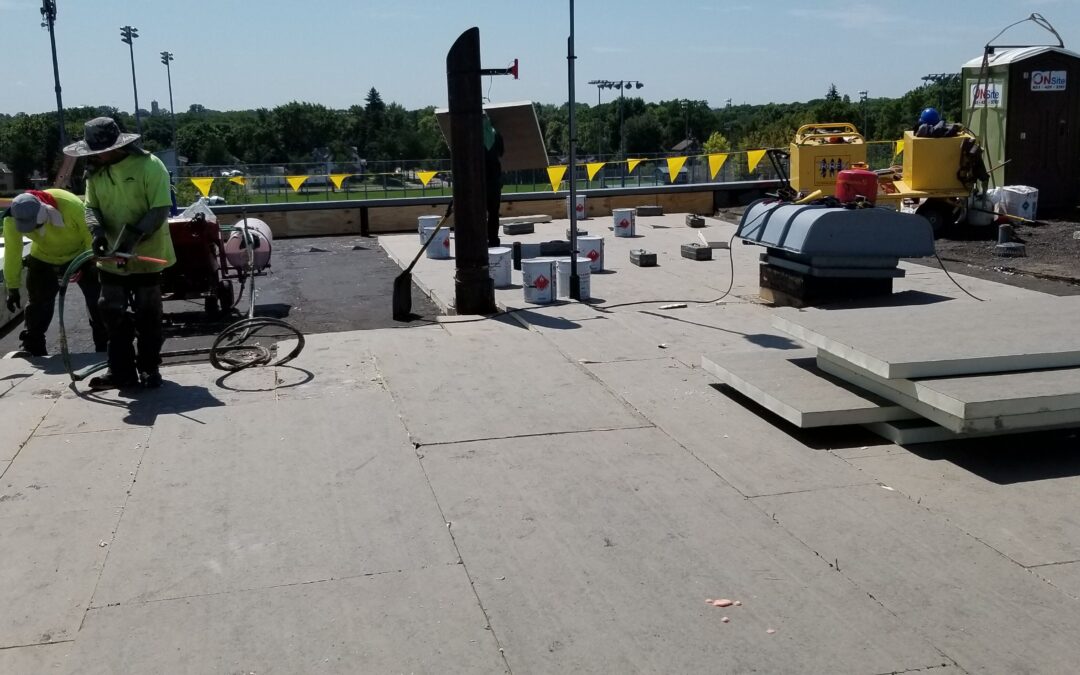
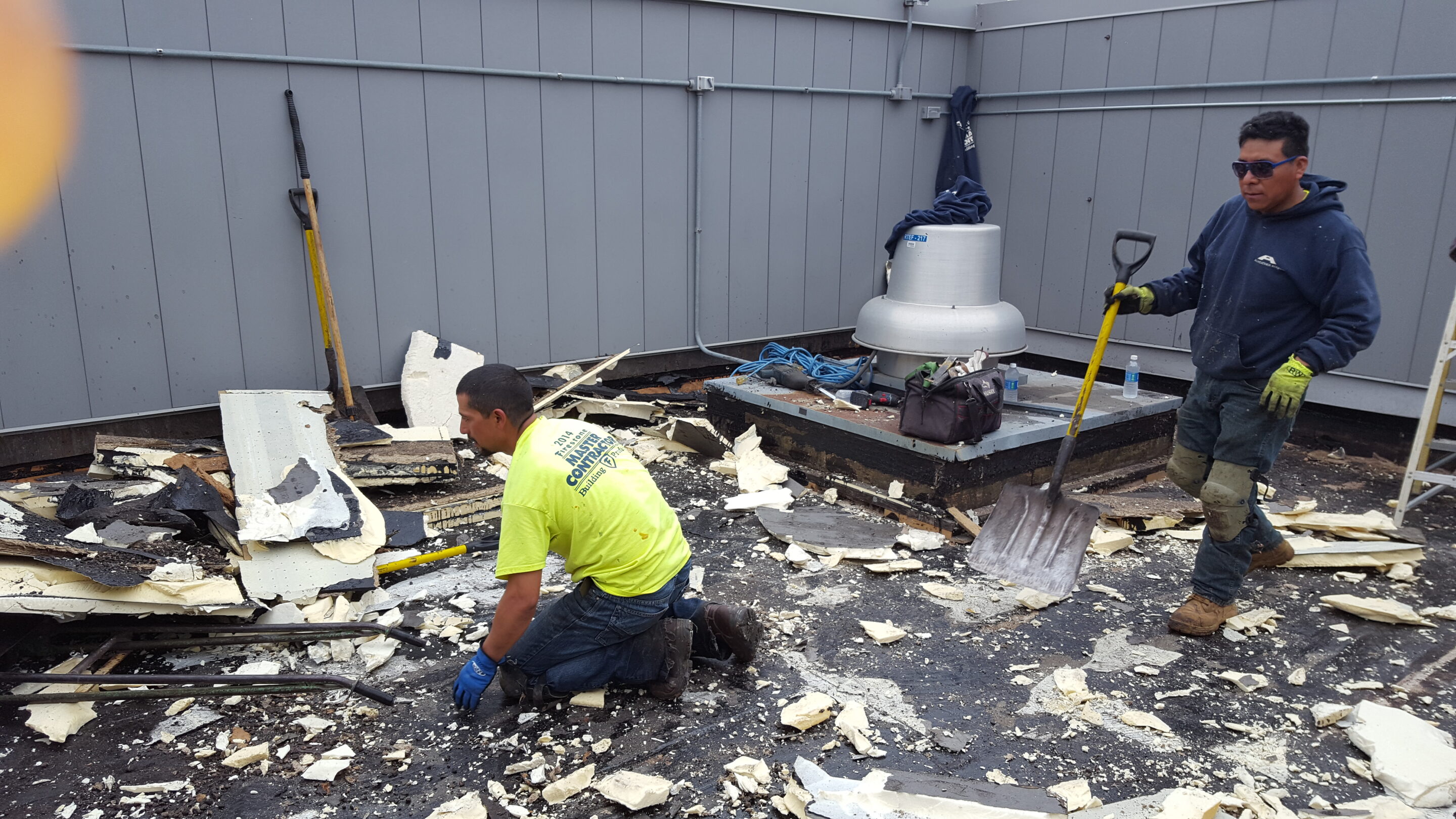
Commercial roof replacement in Minnesota involves systematic removal of the existing roofing membrane, thorough substrate inspection, and installation of a new, energy-efficient system. Replacement options include single-ply membranes like TPO and EPDM, metal panels, built-up roofs (BUR), and modified bitumen. Each system is selected based on building structure, slope, insulation needs, and long-term performance requirements.
The replacement process begins with a free commercial roof assessment to evaluate deck condition and thermal performance. After recommending an optimal membrane, certified crews install insulation boards, vapor barriers, and the chosen roofing membrane, ensuring consistent overlap, mechanical fastening, or heat welding as specified by the manufacturer. Final quality checks confirm adherence to warranty criteria and energy-code compliance, resulting in a resilient roof optimized for Minnesota’s climate.
What Does Commercial Roof Maintenance Include for Minnesota Buildings?
Commercial roof maintenance combines regular inspections, cleaning, and proactive repairs to preserve roof integrity and efficiency. Typical maintenance plans include semi-annual or annual roof surveys, removal of debris and ponded water, reattachment of loose edges, resealing of flashings, evaluation of drain performance, and minor membrane repairs. This disciplined approach prevents small issues from escalating into major failures.
Property managers benefit from maintenance reports that document roof condition trends, recommend budget-friendly interventions, and track lifecycle milestones. Preventative maintenance reduces emergency repair costs by promoting early detection of membrane wear, fastener corrosion, and insulation deterioration. Over time, consistent upkeep supports extended warranty validation and energy savings through intact reflective coatings.
How Are Commercial Skylight Installations Handled by Minnesota Roofers?
Commercial skylight installation in Minnesota enhances natural light, lowers energy expenses, and contributes to occupant well-being. Expert roofers assess structural load capacity, roof slope, and membrane compatibility before integrating skylights into flat or low-slope commercial roofs. Installation sequences include precise curb flashing, vapor barrier continuity, watertight sealing with manufacturer-approved sealants, and reinforced mounting brackets.
After installation, certified technicians conduct leak-test procedures and thermal performance checks to confirm airtight integration. Proper flashing and secondary drainage channels prevent ice-dam formation and water infiltration during winter. Well-designed skylight systems not only reduce reliance on artificial lighting but also align with sustainability goals in modern commercial buildings.
What Emergency Commercial Roof Repair Services Are Offered 24/7?
Yes, commercial roofing contractors in Minnesota offer round-the-clock emergency repair services to address sudden leaks, storm damage, or membrane failures. Emergency response teams deploy certified technicians equipped with rapid-curing sealants, temporary patch kits, and safety gear to stabilize roofs within hours. This immediate action prevents water intrusion that can damage interior assets and insulation.
After emergency stabilization, contractors perform comprehensive inspections to develop permanent repair plans or replacement recommendations. This continuity of care—from urgent patchwork to long-term solutions—reinforces building resilience against Minnesota’s unpredictable weather and safeguards business operations with minimal disruption.
Which Commercial Roofing Systems Are Best Suited for Minnesota’s Climate?
Minnesota’s climate challenges—including heavy snowfall, freeze-thaw cycles, and summer heat—demand roofing systems that combine flexibility, durability, and energy efficiency. Single-ply membranes like TPO and EPDM excel in low-slope applications, offering heat-welded seams and UV resistance. Metal roof panels stand out for longevity and snow-shedding properties, while modified bitumen and PVC membranes deliver enhanced puncture resistance and reflective performance.
To illustrate system attributes and benefits, the following comparison summarizes core characteristics.
Each roofing system addresses specific performance goals for commercial buildings in Minnesota. Exploring these options equips decision makers to balance upfront costs, lifecycle value, and environmental impact.
What Are the Benefits of TPO Roofing for Commercial Buildings in Minnesota?
TPO roofing offers a thermoplastic membrane that combines heat-welded seams with high reflectivity and puncture resistance. Its white surface reflects solar radiation, reducing cooling loads in summer and lowering building energy costs. TPO’s flexible composition accommodates thermal expansion and contraction, preventing seam failures during freeze-thaw cycles.
Installation involves secure mechanical fasteners or fully adhered systems based on roof structure. TPO membranes resist chemical exposure from industrial exhaust and remain stable in temperatures ranging from -40°F to 220°F. This durability under Minnesota’s seasonal extremes makes TPO a top choice for commercial flat roofs seeking energy efficiency and leak-free performance.
How Does EPDM Roofing Perform in Minnesota’s Weather Conditions?
EPDM roofing uses a synthetic rubber membrane renowned for elasticity and UV resilience, making it particularly suited to cold-climate applications. Its rubber compound remains flexible at low temperatures, resisting cracks and splits during winter. EPDM membranes also exhibit strong ozone and weathering resistance, reducing maintenance needs over decades of service.
Simple installation methods—adhered, mechanically attached, or ballasted—allow quick deployment on commercial roofs. EPDM’s low lifecycle cost and ease of patching deliver budget predictability. For buildings facing heavy snow loads and temperature swings, EPDM provides reliable waterproofing and long-term performance.
Why Choose Metal Roofing Systems for Industrial and Commercial Properties?
Metal roofing systems feature interlocking panels of steel or aluminum that combine structural strength with sleek aesthetics. Their rigidity promotes snow-shedding, preventing ice dams and ponding water that compromise membrane roofs. Metal panels resist corrosion through protective coatings and offer lifespans of 40 years or more under regular maintenance.
Installation requires accurately designed panel profiles, concealed fasteners, and thermal clip systems that accommodate expansion. Metal roofs can integrate insulation and reflective coatings to optimize thermal performance. For industrial properties handling heavy weights or exposed to abrasion, metal roofing delivers unmatched durability and fire resistance.
What Are the Features of PVC and Modified Bitumen Roofing in Minnesota?
PVC roofing employs a single-ply membrane with chemical-resistant additives that protect against oils, greases, and pollutants common in commercial environments. Welded seams create a monolithic barrier against leaks, while reflective surfaces reduce heat gain. PVC maintains flexibility at low temperatures and resists punctures from hail and foot traffic.
Modified bitumen combines asphalt layers with reinforcing fabrics, creating a multilayer sheet system that withstands impact and temperature fluctuations. Torch-applied or self-adhered installations bond securely to the substrate, offering exceptional tear resistance. Both PVC and modified bitumen systems deliver robust waterproofing suited to Minnesota’s varied weather.
How Much Does Commercial Roof Repair and Replacement Cost in Minnesota?
Commercial roof repair and replacement costs in Minnesota vary widely based on membrane type, roof size, building height, and project complexity. On average, patch repairs range from $3.50 to $7.50 per square foot, while full replacements span $7.50 to $30.00 per square foot. Specialized coatings, insulation upgrades, and complex detailing around HVAC units can influence final estimates.
Free commercial roof assessments offered by experienced contractors provide accurate cost projections. During these assessments, technicians measure deck conditions, identify insulation performance issues, and factor in roof slope challenges. Detailed reports equip building owners with budget ranges and phased planning options that align with long-term asset management.
What Factors Affect Commercial Roof Replacement Costs in Minnesota?
Several drivers shape replacement costs: membrane selection (TPO, EPDM, metal, PVC, modified bitumen), insulation R-value requirements, roof accessibility, removal versus overlay decisions, and manufacturer warranty terms. Buildings with steep slopes or rooftop equipment clusters may require additional roofing accessories, flashing components, and labor time for detailing.
Climatic considerations such as snow load design, wind uplift requirements, and ice-dam prevention treatments also impact material choices and installation methods. Projects scheduled during offseason months can yield cost savings, while emergency replacements accelerate timelines and may incur premium labor rates.
How Are Commercial Roof Repair Prices Determined in Minneapolis and Surrounding Areas?
Repair pricing reflects the type of damage—punctures, seam leaks, flashing failure—alongside membrane compatibility and repair urgency. In Minneapolis metro, average repair rates between $4.00 and $8.00 per square foot account for local labor rates, certification requirements, and permit fees where applicable. Storm-damage repairs often qualify for expedited service pricing due to insurance coordination and rapid-response mandates.
Contractors factor in surface preparation, adhesive quality, sealant types, and warranty activation when quoting repairs. Itemized estimates clarify material costs versus labor, ensuring transparent budgeting and prioritization of critical repairs.
How Can Free Commercial Roof Assessments Help Estimate Costs?
Free assessments establish baseline roof conditions through infrared moisture scans, core sampling, and visual inspections. These evaluations quantify membrane thickness, insulation performance, and areas of ponding water. By correlating observed defects with replacement thresholds, contractors deliver phased recommendations—ranging from spot repairs to full system renewals—aligned with client budgets and asset management plans.
Assessment reports also identify energy-loss hotspots, guiding owners toward reflective coatings or insulation upgrades that lower lifecycle costs. Structured findings foster data-driven decisions on roof investments and maintenance scheduling.
Why Choose Allweather Roof as Your Top Commercial Roofing Contractor in Minnesota?
Allweather Roof brings nearly a century of experience to Minnesota’s commercial roofing market, having served the region since 1925. This longevity underscores a commitment to craftsmanship, exact excellence, and client trust built through thousands of successful projects. Backed by 33 consecutive Elevate Contractor awards and the Inner Circle of Quality Award from Firestone, Allweather Roof’s reputation rests on recognized industry leadership.
Certified in every major roofing membrane type—TPO, EPDM, PVC, metal, modified bitumen—Allweather Roof customizes solutions for each building’s structural and performance needs. Proprietary quality-control processes include digital inspections, manufacturer-approved installation techniques, and ongoing maintenance partnerships that ensure roofing investments deliver maximum lifecycle value.
What Is Allweather Roof’s History and Experience in Minnesota Commercial Roofing?
Established in 1925, Allweather Roof has evolved alongside the commercial construction industry in Minnesota. Decades of experience under demanding climate conditions have shaped specialized installation methods, material selections, and emergency response capabilities. This institutional knowledge enables precise project staging, proactive risk mitigation, and scalable maintenance programs tailored to local building codes and environmental factors.
Which Awards and Certifications Does Allweather Roof Hold?
Allweather Roof has earned 33 consecutive Elevate Contractor awards and membership in the Inner Circle of Quality Award from Firestone, reflecting consistent excellence in workmanship, safety, and client satisfaction. Manufacturer certifications across membrane systems verify that installation teams meet rigorous training standards and follow best practices for warranty eligibility.
How Does Allweather Roof Ensure Quality and Customer Satisfaction?
Quality assurance begins with detailed pre-project assessments and extends through post-installation inspections using digital reporting tools. Allweather Roof’s certified technicians adhere to standardized installation checklists, material traceability protocols, and site-safety procedures. Regular client communication, comprehensive warranty tracking, and scheduled maintenance plans reinforce accountability and foster long-term relationships built on performance transparency.
What Do Minnesota Commercial Clients Say About Allweather Roof?
Clients consistently commend Allweather Roof for rapid emergency response, meticulous craftsmanship, and clear project communication. Testimonials highlight reduced energy costs after membrane upgrades, minimal business disruption from phased replacements, and confidence in extended warranties. This social proof underscores Allweather Roof’s role as a trusted partner for protecting commercial assets in Minnesota’s business community.
How Can Commercial Roof Maintenance Extend Roof Lifespan in Minnesota?
Preventative maintenance extends commercial roof life by identifying early signs of wear, addressing minor defects, and preserving membrane integrity against Minnesota’s severe weather cycles. Annual inspection plans include membrane condition assessments, insulation moisture checks, and seam integrity evaluations. This proactive regimen prevents small vulnerabilities from becoming costly emergency repairs.
Routine maintenance also ensures reflective coatings remain effective, reducing thermal stress on roofing materials and lowering building energy consumption. Customized maintenance solutions for different roofing systems—such as re-welding TPO seams or rejuvenating modified bitumen cap sheets—optimize performance across membrane types and deliver predictable lifecycle planning.
What Are the Key Components of Annual Commercial Roof Inspection Plans?
Annual plans involve systematic roof walks to identify membrane cracks, seam separations, and flashing deterioration. Technicians clear drains, inspect coping stones, and test drain flow rates to prevent ponding. Moisture-scan technology pinpoints hidden substrate saturation, guiding targeted repairs before structural damage ensues. Detailed reports document findings with photographic evidence and recommended actions.
How Does Preventative Maintenance Reduce Emergency Repairs and Costs?
By resolving small leaks and resealing flashings early, preventative maintenance minimizes interior water damage, mold growth, and insulation degradation. Timely membrane restoration avoids full-system replacement and leverages warranty endorsements. Over a five-year cycle, clients typically reduce unplanned repair expenses by up to 60 percent through consistent upkeep.
What Maintenance Solutions Are Recommended for Different Roofing Systems?
Tailored maintenance ensures peak performance for specific membranes. TPO roofs benefit from seam re-welding and membrane cleaning to preserve reflectivity. EPDM systems require adhesive checks and patching of rubber membranes. Metal roofs need panel inspections for corrosion and fastener retightening. Modified bitumen renewal coatings reinforce cap layers, while PVC membranes undergo seam integrity testing with infrared analysis.
What Are Common Signs That a Commercial Roof Needs Repair or Replacement in Minnesota?
Commercial roofs exhibit distinct symptoms when nearing the end of service life or suffering damage. Visible water stains on interior ceilings, bubbling or blistering of membrane surfaces, persistent ponding water, and cracks in flashing indicate urgent attention. Ice dams along roof edges can also signal inadequate insulation and improper drainage design, accelerating membrane deterioration.
Early detection of these signs prevents accelerated substrate decay and interior asset damage. Recognizing symptom patterns allows building managers to compare repair versus replacement scenarios, balancing immediate fixes with long-term investment outcomes.
How to Detect Leaks, Storm Damage, and Roof Deterioration Early?
Regular roof walks, infrared moisture scans, and core samples uncover hidden leaks before visible staining occurs. After severe weather, contractors should inspect membrane punctures from hail, loose fasteners, or wind-lifted seams. Monitoring gauge readings on moisture detection sensors inside roof assemblies delivers real-time alerts to emerging problems.
When Is Commercial Roof Replacement More Cost-Effective Than Repair?
Replacement becomes more economical when repair costs exceed 50 percent of the remaining roof value or when widespread membrane failure compromises insulation and structural decking. Full-system renewals deliver improved energy performance, updated warranties, and reduced maintenance overhead, offsetting initial investment through lifecycle savings.
How Does Minnesota’s Climate Impact Commercial Roof Longevity?
Frigid winters and thermal cycling stress roofing materials, causing seam fatigue, membrane brittleness, and substrate contraction. Summer heat accelerates UV-induced degradation, and heavy snow loads increase static pressure on flat roofs. Proper material selection, insulation design, and routine maintenance mitigate these climate-driven challenges, extending roof lifespan by up to a decade.
How Do Minnesota’s Top Industrial Roofing Contractors Meet Specialized Commercial Needs?
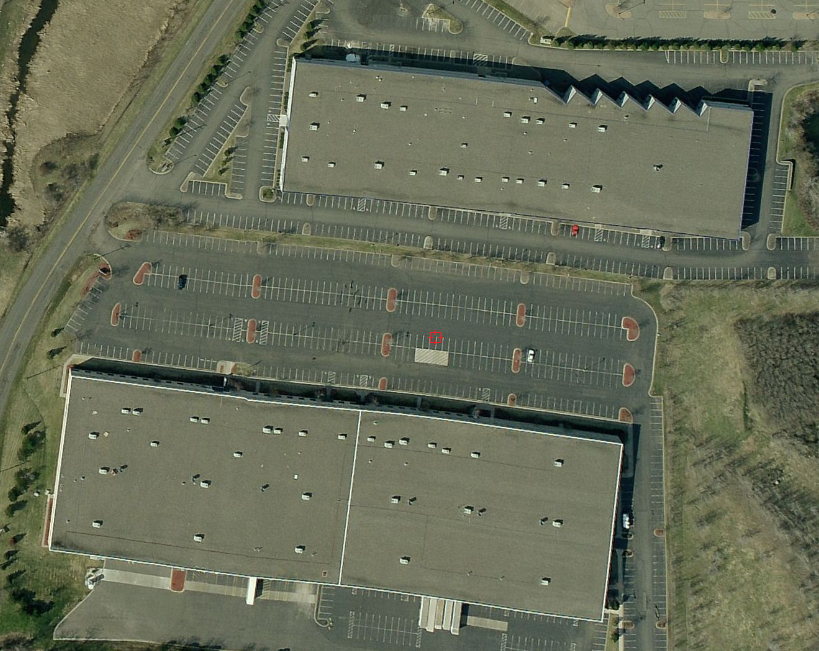
Industrial roofing demands large-scale expertise, specialized materials, and rigorous project management to handle extensive square footage, heavy equipment loads, and safety protocols. Top contractors provide turnkey solutions—from design phase through maintenance—for warehouses, manufacturing plants, and distribution centers that require durable roof systems.
By coordinating multi-trade crews, adhering to strict safety standards under OSHA guidelines, and deploying advanced equipment for rooftop access and material handling, these contractors execute complex projects on schedule and within budget. Their industrial divisions often maintain dedicated teams certified in high-lift operations, fall protection, and industrial silicone coatings.
What Industrial Roofing Services Are Offered by Leading Minnesota Contractors?
Leading industrial providers deliver custom-engineered roofing solutions including reinforced TPO systems for high-traffic plant roofs, heavy-gauge metal panel installations for crane runways, industrial skylight arrays for large facilities, and advanced spray-on polyurea coatings for seamless waterproofing. These services integrate structural engineering reviews and specialized membrane reinforcements.
How Are Large-Scale Commercial and Industrial Roof Projects Managed?
Project management involves phased scheduling to maintain facility operations, rigorous safety protocols under OSHA guidelines, and real-time progress tracking via digital dashboards. Teams coordinate material deliveries, crane lifts, and subcontractor workflows to minimize disruptions. Regular stakeholder updates and quality audits ensure adherence to design specifications and performance targets.
What Roofing Materials Are Preferred for Industrial Buildings in Minnesota?
Industrial buildings often rely on reinforced TPO or PVC membranes with high-tensile scrim layers, insulated metal panels with thermal breaks, and monolithic coatings such as silicone or polyurea for seamless protection. These materials withstand heavy equipment traffic, mechanical vibrations, and chemical exposures found in manufacturing settings, ensuring long-term asset protection.
Commercial roofing in Minnesota demands specialization, robust materials, and proactive maintenance to offset climatic stresses and operational demands. By understanding service scopes, system benefits, cost drivers, and maintenance strategies, property managers can select contractors who deliver reliable performance. Leveraging Allweather Roof’s century-long expertise, recognized awards, and free assessments ensures informed choices that safeguard commercial investments well into the future.