
Commercial Roofing In Minnesota: A Complete Guide For Building Owners
Everything Minnesota Building Owners Should Know About Commercial Roofs, Repairs, Maintenance, And Replacement
Your commercial roof does a lot more than keep rain and snow out of your building.
It protects your employees, tenants, equipment, inventory, mechanical systems, and the day-to-day operations of your business. When a commercial roofing problem develops, the consequences can go far beyond the roof itself.
A small leak can damage insulation and interior materials. Poor drainage can lead to standing water. Damaged seams or flashing can allow moisture into the roofing system. And delaying a necessary commercial roof repair can turn a manageable problem into a much larger project.
For Minnesota building owners, property managers, facility managers, and contractors, understanding your commercial roofing system is an important part of protecting the building and controlling long-term costs.
This guide explains the basics of commercial roofing in Minnesota, including common commercial roof types, maintenance, inspections, repairs, replacement, and what to look for when choosing a commercial roofing contractor.
What Is A Commercial Roof?
A commercial roof is a roofing system designed to protect a commercial, industrial, institutional, or other non-residential building.
Commercial roofing systems can be very different from the pitched asphalt shingle roofs commonly found on residential homes.
Many commercial buildings use flat or low-slope roofing systems that rely on membranes, insulation, flashing, drains, scuppers, and other components to create a weather-resistant roofing assembly.
Commercial roofs can be found on:
- Warehouses
- Office buildings
- Retail stores
- Shopping centers
- Manufacturing facilities
- Schools
- Churches
- Medical buildings
- Apartment and multi-family properties
- Restaurants
- Industrial facilities
- Municipal buildings
- Distribution centers
The right commercial roofing system depends on the building, its use, its existing roof assembly, drainage requirements, budget, maintenance expectations, and other project-specific factors.
Why Commercial Roofing In Minnesota Requires Special Consideration
Minnesota commercial roofs have to withstand a wide range of weather conditions throughout the year.
Commercial roofing systems can be exposed to:
- Heavy snowfall
- Ice
- Freezing temperatures
- Freeze-thaw cycles
- Heavy rain
- Hail
- Strong winds
- Summer heat
- UV exposure
- Storm debris
- Rooftop foot traffic
- HVAC and mechanical equipment servicing
These conditions make regular commercial roof inspections and maintenance particularly important.
A roofing problem that begins as a small puncture, damaged seam, or flashing issue can become more serious if water is allowed to enter the roofing system repeatedly.
That is why commercial roof maintenance should be viewed as an ongoing part of building management rather than something that only happens after a leak.
Common Types Of Commercial Roofing Systems
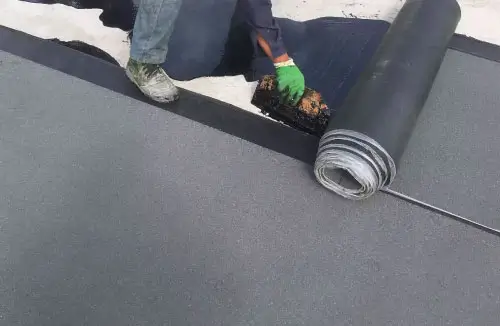
There is no single commercial roof that is right for every building.
Several different roofing systems are commonly used for commercial properties, and each has different characteristics.
TPO Commercial Roofing
TPO, or thermoplastic polyolefin, is a single-ply roofing membrane commonly used on commercial flat and low-slope buildings.
TPO roofing is known for its reflective surface and heat-welded seams. It is used on many types of commercial buildings, including warehouses, offices, retail properties, and industrial facilities.
TPO can be a practical option when a building owner is looking for a modern commercial roofing system with energy-efficiency and durability considerations.
However, the performance of any roofing system depends heavily on proper design, installation, detailing, and ongoing maintenance.
EPDM Commercial Roofing
EPDM is a synthetic rubber roofing membrane that has been used in commercial roofing for decades.
It is commonly used on flat and low-slope commercial buildings and is known for its flexibility and resistance to weather exposure.
EPDM can be an option for building owners considering commercial roof installation or replacement, depending on the property’s design and requirements.
PVC Commercial Roofing
PVC is another single-ply membrane used for commercial roofing applications.
PVC roofing can be particularly useful for certain commercial buildings where chemical exposure or other specialized conditions need to be considered.
The appropriate membrane should be selected based on the building’s use, existing roofing system, environmental conditions, project requirements, and long-term goals.
Modified Bitumen Roofing
Modified bitumen is an asphalt-based commercial roofing system that has been used on low-slope buildings for many years.
It consists of reinforced roofing materials designed to provide multiple layers of protection.
Modified bitumen may still be appropriate for certain commercial roofing applications, particularly when the building’s existing system and design make it a practical option.
Metal Commercial Roofing
Metal roofing can also be used on commercial and industrial buildings.
Depending on the building design, metal systems can provide durability and long service life, although the appropriate system depends on factors such as roof slope, building use, weather exposure, and project requirements.
How Do You Know If Your Commercial Roof Needs Repair?
One of the biggest mistakes a building owner can make is assuming that a roof is fine simply because there is no obvious interior leak.
Some commercial roof problems can develop for months before water becomes visible inside the building.
Signs that your commercial roof may need professional attention include:
- Recurring leaks
- Water stains on ceilings or walls
- Ponding water
- Damaged flashing
- Open or damaged seams
- Cracked or punctured membrane
- Damaged roof edges
- Deteriorated sealants
- Clogged drains
- Storm or hail damage
- Damaged areas around rooftop equipment
- Repeated emergency repairs
- Increasingly frequent leaks
If you notice one of these problems, it does not necessarily mean the entire roof needs to be replaced.
A professional commercial roof inspection can help determine the condition of the roofing system and identify the appropriate next step.
Commercial Roof Repair Vs. Commercial Roof Replacement
One of the most common questions building owners ask is:
“Do I need to repair my commercial roof, or do I need a new roof?”
The answer depends on the condition of the existing roofing system.
When Commercial Roof Repair May Make Sense
Commercial roof repair may be appropriate when the problem is localized and the majority of the roofing system remains in good condition.
Examples may include:
- A localized membrane puncture
- Damaged flashing
- A small number of failing seams
- Minor storm damage
- Isolated leaks
- Damaged roof penetrations
- Drainage-related problems
Addressing these issues early may help prevent additional damage.
When Commercial Roof Replacement May Be Necessary
Commercial roof replacement may need to be considered when the existing roofing system has widespread deterioration or is approaching the end of its useful service life.
Other factors may include:
- Extensive membrane damage
- Significant moisture intrusion
- Repeated repairs
- Widespread leaks
- Deteriorated insulation
- Structural concerns
- An aging roofing system
- A history of ongoing roofing problems
A professional assessment can help determine whether repairing the existing system or investing in a new commercial roof makes more sense for the building.
What Is Commercial Roof Maintenance?
Commercial roof maintenance involves regular inspections and proactive care designed to identify and address roofing problems before they become larger issues.
A commercial roof maintenance program may include evaluating:
- Roofing membrane
- Seams
- Flashing
- Roof penetrations
- Drains
- Scuppers
- Gutters
- Roof edges
- Rooftop equipment areas
- Ponding water
- Previous repair areas
- Signs of moisture intrusion
Regular maintenance is particularly important for large commercial buildings because roofing problems can affect a significant amount of valuable property and business operations.
Allweather Roof offers commercial roof maintenance and inspection services as part of its commercial roofing services throughout Minnesota.
Why Commercial Roof Inspections Matter
A commercial roof inspection provides building owners with information about the current condition of their roofing system.
Instead of waiting until a leak appears, an inspection can help identify potential problems while they are still easier to address.
Inspections can be especially useful:
- Before winter
- After major storms
- After hail events
- Before buying or selling a commercial property
- Before budgeting for a major capital project
- When a roof is approaching the end of its expected service life
- When leaks continue to return
- After major rooftop equipment work
For larger commercial properties, documenting roof conditions can also help property managers plan future maintenance and capital expenditures.
What Is The Most Important Part Of A Commercial Flat Roof?
Drainage is one of the most important considerations for a commercial flat or low-slope roof.
Unlike a steep residential roof, water on a low-slope commercial roof may not immediately run off the building.
Commercial roofing systems rely on designed drainage through components such as:
- Internal drains
- Scuppers
- Gutters
- Downspouts
- Overflow drains
- Proper roof slope
Blocked or damaged drainage can contribute to standing water.
That is why drains and other drainage components should be included in routine commercial roof inspections and maintenance.
How Minnesota Weather Can Affect Commercial Roofs
Minnesota’s weather can put significant stress on commercial roofing systems.
Snow And Ice
Snow accumulation adds weight to a roof, while melting snow can create water that needs to drain properly.
If drainage systems become blocked, water can remain on the roof and potentially create additional problems.
Freeze-Thaw Cycles
Minnesota experiences repeated periods of freezing and thawing.
Water can enter small cracks, gaps, or damaged areas and freeze as temperatures fall. The resulting expansion can place additional stress on vulnerable roofing components.
Hail And Severe Storms
Hail and high winds can damage roofing membranes, flashing, edge details, and other components.
Some storm damage may not produce an immediate interior leak, which is one reason post-storm commercial roof inspections can be valuable.
Summer Heat And UV Exposure
Commercial roofing systems are also exposed to intense sunlight and summer heat.
Long-term UV exposure can contribute to aging and deterioration depending on the roofing material and system.
This year-round exposure is one reason commercial roof maintenance should not be treated as a once-in-a-while task.
How Often Should A Commercial Roof Be Inspected?
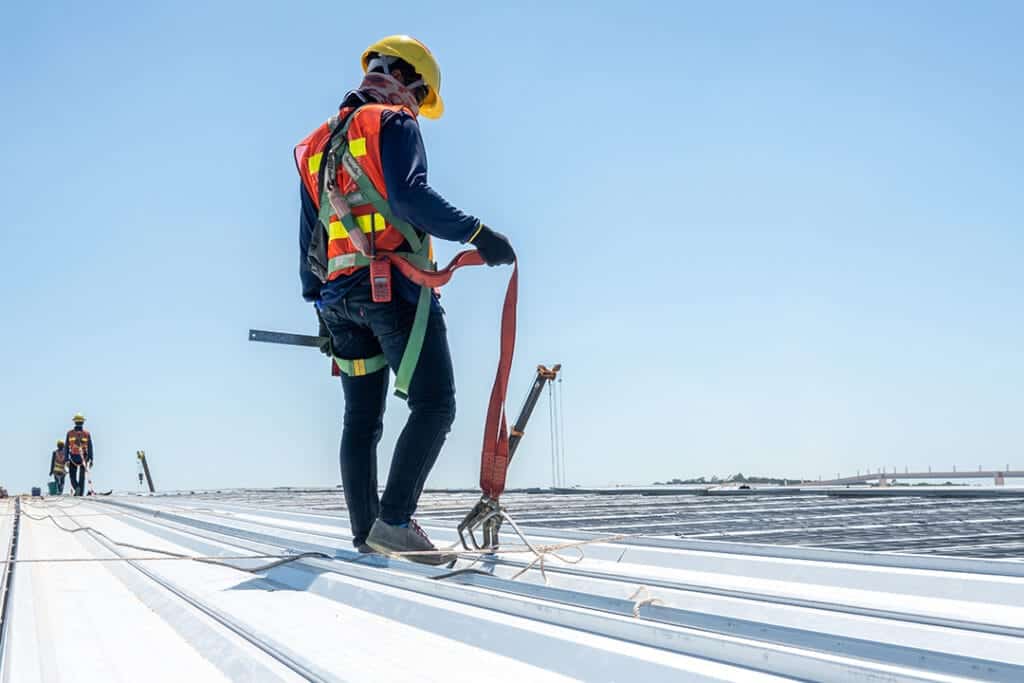
The appropriate inspection schedule depends on the age, condition, roofing system, building use, and history of the roof.
At a minimum, building owners should have their commercial roof professionally evaluated on a regular basis rather than waiting for visible problems.
Additional inspections may be appropriate following:
- Major storms
- Hail
- High winds
- Significant rooftop construction
- HVAC installation
- Major maintenance work
- Recurring leaks
Older roofs or buildings with a history of roofing problems may benefit from more frequent monitoring.
What Does A Commercial Roofing Contractor Do?
A commercial roofing contractor can provide a range of services depending on the condition and needs of the building.
Commercial roofing services may include:
- Commercial roof inspections
- Commercial roof repair
- Commercial roof maintenance
- Commercial roof replacement
- Commercial re-roofing
- TPO roofing
- Flat roof repair
- Leak detection
- Emergency commercial roof repair
- Skylight installation
- Aerial and thermal roof imaging
Allweather Roof provides commercial roofing services throughout Minnesota, including re-roofing, service and repair, maintenance inspections, skylight installation, and aerial and thermal imaging.
What Should You Look For In A Commercial Roofing Contractor?
Choosing a commercial roofing contractor is about more than finding the lowest initial price.
Building owners should consider:
Commercial Roofing Experience
Commercial roofing is different from residential roofing. Look for a contractor with experience working on commercial buildings and the type of roofing system installed on your property.
Inspection And Assessment
A good commercial roofing contractor should be able to evaluate the existing roof and explain what they find.
Clear Recommendations
If your roof needs work, you should understand what needs to be repaired, why it needs to be repaired, and what the recommended solution involves.
Long-Term Thinking
The lowest upfront price does not always represent the lowest long-term cost.
Building owners should consider the expected service life, maintenance requirements, repair history, and lifecycle cost of the roofing system.
Communication
Commercial roofing projects can involve tenants, employees, customers, facility managers, contractors, and building owners.
Clear communication and project coordination can be just as important as the roofing materials themselves.
How Much Does Commercial Roofing Cost?
There is no single price for commercial roofing.
The cost of a commercial roof project can vary significantly based on factors such as:
- Roof size
- Roofing system
- Existing roof condition
- Number of roof layers
- Insulation requirements
- Drainage
- Flashing
- Rooftop equipment
- Access to the building
- Labor
- Material selection
- Repair versus replacement
- Project complexity
Because every commercial building is different, a professional roof assessment is a better starting point than relying on a generic price-per-square-foot estimate.
For building owners, it is often more useful to compare the long-term cost of ownership rather than simply comparing the initial project price.
A lower-cost roofing system that requires frequent repairs may have a very different lifecycle cost from a higher-quality system that receives proper maintenance and performs reliably over time.
Should You Repair A Commercial Roof Before Winter?
If your Minnesota commercial building has known roofing problems, fall can be an important time to have them evaluated.
Addressing damaged seams, flashing, drainage problems, punctures, leaks, and other issues before severe winter conditions arrive may help reduce the possibility of weather-related problems.
This is especially relevant for commercial buildings with flat or low-slope roofing systems.
If you are unsure about the condition of your roof, scheduling a commercial roof inspection can provide a clearer picture of what needs attention.
When Should You Replace A Commercial Roof?
There is no universal age at which every commercial roof needs to be replaced.
Instead, building owners should consider the overall condition and history of the roofing system.
A professional evaluation should consider:
- Current roof condition
- Age of the roofing system
- Previous repairs
- Recurring leaks
- Moisture intrusion
- Membrane condition
- Drainage
- Insulation
- Remaining service life
- Building plans
- Long-term ownership goals
If the roof is still performing well and problems are localized, maintenance and repairs may be appropriate.
If the system has widespread deterioration or repeated failures, replacement may make more sense.
Why Preventive Commercial Roof Maintenance Can Save Building Owners Money
The purpose of commercial roof maintenance is not simply to keep the roof looking good.
It is about identifying problems before they have an opportunity to become larger problems.
A small flashing repair is generally a very different project from dealing with widespread water intrusion.
Similarly, correcting a drainage problem early can be preferable to discovering the issue after repeated ponding has affected the roofing system.
Regular inspections give building owners better information about their roof and make it easier to plan repairs and future capital expenditures.
Commercial Roofing In Minnesota: Think Beyond The Roof
For a commercial building owner, the roof should be viewed as part of the building’s overall asset management strategy.
The goal is not simply to have a roof that does not leak today.
The goal is to understand:
- What roofing system you have
- What condition it is in
- What maintenance it requires
- What repairs are needed
- How long it may continue to perform
- When replacement should be considered
- What you can do to protect the building over the long term
A proactive approach can make commercial roofing decisions much more predictable.
Why Minnesota Building Owners Choose Allweather Roof
Allweather Roof specializes in commercial roofing and serves building owners and contractors throughout Minnesota.
The company provides commercial roofing services including:
- Commercial roof repair
- Commercial roof maintenance
- Commercial roof inspections
- Commercial re-roofing
- Skylight installation
- Aerial and thermal imaging
- Emergency commercial roof services
Allweather Roof’s approach focuses on evaluating the individual roofing system and helping building owners determine the appropriate solution for their budget and long-term needs.
Whether your commercial building needs a small repair, ongoing maintenance, or a complete roof replacement, understanding the condition of the existing roof is the first step.
Protect Your Commercial Building With A Professional Roof Assessment
Your commercial roof is one of the most important investments protecting your building.
Waiting until a major leak occurs can leave building owners dealing with an emergency instead of a planned solution.
Regular inspections, proactive maintenance, timely repairs, and thoughtful replacement planning can help you stay ahead of commercial roofing problems.
If you own or manage a commercial building in Minnesota and are unsure about the condition of your roof, Allweather Roof can help.
Contact Allweather Roof to schedule a commercial roof assessment and find out what your roofing system needs next.
Frequently Asked Questions About Commercial Roofing
What Is Commercial Roofing?
Commercial roofing refers to roofing systems designed for commercial, industrial, institutional, and other non-residential buildings. Common systems include TPO, EPDM, PVC, modified bitumen, and commercial metal roofing.
What Is The Most Common Commercial Roofing System?
TPO and EPDM are among the commonly used single-ply commercial roofing systems. However, the right roofing system depends on the building’s design, use, existing roof, budget, and other project requirements.
How Long Does A Commercial Roof Last?
The service life of a commercial roof varies depending on the roofing system, installation quality, weather exposure, maintenance, building conditions, and other factors. A professional inspection can help determine the current condition of an existing roof.
How Often Should A Commercial Roof Be Inspected?
Commercial roofs should be inspected regularly, with additional inspections after significant storms, hail, rooftop construction, or when leaks and other problems occur.
Can A Commercial Roof Be Repaired Instead Of Replaced?
Yes. If damage is localized and the majority of the roofing system remains in good condition, repair may be an appropriate option. A professional assessment can help determine whether repair, restoration, or replacement makes the most sense.
What Causes Commercial Roof Leaks?
Common causes can include damaged membranes, failing seams, deteriorated flashing, clogged drainage systems, damaged penetrations, ponding water, storm damage, and aging roofing materials.
What Is A Flat Commercial Roof?
A flat commercial roof is generally a low-slope roofing system designed to cover large commercial buildings. These roofs use membranes and engineered drainage systems to manage water.
How Do I Know If My Commercial Roof Needs To Be Replaced?
Signs can include recurring leaks, extensive membrane deterioration, widespread moisture intrusion, repeated repairs, drainage problems, and an aging roofing system. A professional commercial roof inspection can provide a more accurate assessment.
How Much Does A Commercial Roof Cost?
Commercial roofing costs vary depending on the size, roofing system, condition of the existing roof, materials, insulation, drainage, labor, accessibility, and project complexity. A professional assessment is the best way to develop a project-specific estimate.
Who Should I Call For Commercial Roof Repair In Minnesota?
Building owners should look for an experienced commercial roofing contractor familiar with the roofing system and conditions of their property. Allweather Roof provides commercial roof repair, maintenance, inspections, re-roofing, and other commercial roofing services throughout Minnesota.