
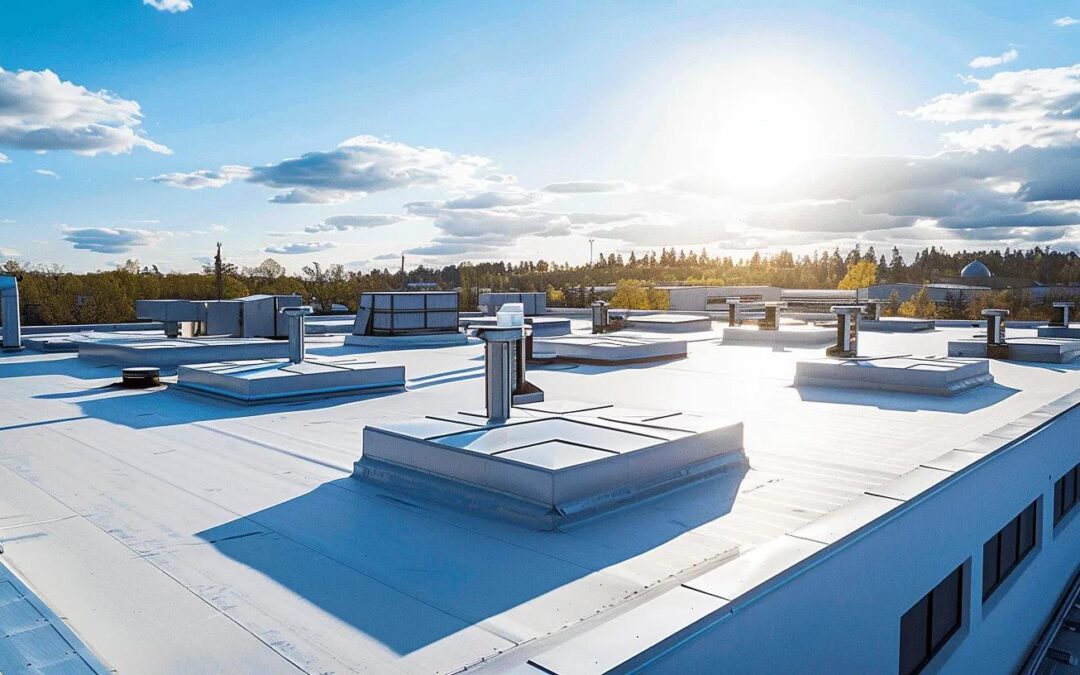
Commercial Flat Roofing in Minnesota: Installation, Repair & Maintenance Guide
Minnesota’s commercial buildings face intense freeze-thaw cycles, heavy snow loads, ponding water, and ice dams that demand flat roofing solutions engineered for durability and energy efficiency. This guide explores top commercial flat roofing materials—EPDM, TPO, PVC, modified bitumen, built-up, and metal—then details how Allweather Roof’s century-strong expertise transforms material performance into reliable installations, repairs, and preventive maintenance. Readers will discover installation workflows, problem-solving strategies for ponding and membrane damage, maintenance plans that extend service life, cost and ROI benchmarks, and the process for securing a free roof assessment. By weaving industry insights and Allweather Roof’s award-winning craftsmanship into each section, this article maps the path from material selection through emergency repair to long-term protection for Minnesota businesses. Understanding material advantages leads naturally into the installation approach that ensures commercial roofs perform year after year.
What Are the Best Commercial Flat Roofing Materials for Minnesota Businesses?
Commercial flat roofing combines durable membranes, bitumen layers, and metal panels to shield buildings from Minnesota’s harsh climate. Materials vary in flexibility, reflectivity, and lifecycle cost, making informed selection essential. The table below compares key attributes to guide Minnesota property managers, architects, and contractors toward optimal choices.
These comparisons clarify performance trade-offs before examining specific membranes. Next, we explore EPDM Roofing’s resilience in Minnesota’s climate.
What Are the Benefits of EPDM Roofing for Minnesota’s Climate?
EPDM Roofing is a synthetic rubber membrane defined by its exceptional flexibility in subzero temperatures, resisting cracking and UV degradation. Its mechanism relies on elastomeric polymers that maintain elasticity under thermal stress, reducing split seams during freeze-thaw cycles. In general use cases—from warehouses to school gyms—EPDM delivers consistent waterproofing when heavy snowfall and ponding water are common. Minnesota projects often record service lifespans of 25 to 30 years with minimal maintenance. Understanding EPDM’s performance in Minnesota’s climate leads us to the energy-saving properties of TPO roofing.
How Does TPO Roofing Provide Energy Efficiency and Cost Savings?
TPO Roofing is a thermoplastic single-ply membrane known for high solar reflectance and low heat absorption, which lowers cooling loads and HVAC energy consumption in summer. Its reflective surface and heat-welded seams create a continuous barrier against moisture intrusion, reducing thermal stress and repair costs. Typical installations yield payback periods under a decade through energy rebates and utility savings. Commercial properties with rooftop equipment also benefit from TPO’s puncture resistance and ease of inspection. These efficiency gains set the stage for evaluating PVC membranes.
Regional Weather Effects on Single-Ply Roofing Membranes: TPO, PVC, EPDM Performance
Weather across the different regions in the country can variably influence the performance of roofing membranes, affecting the long-term stability and function of single ply roofing membranes, such as Thermoplastic polyolefin (TPO), Polyvinyl chloride (PVC), and Ethylene-propylene-diene monomer (EPDM). Different weathering factors, such as humidity, salinity, UV exposure, and freezing and thawing cycles, were simulated under lab conditions to mimic diverse weather conditions across the various regions in the United States. Using the different lab conditions, the aging effects can be associated with different regions based on specific weathering patterns. Therefore, a more accurate prediction of roofing performance can be predicted and applied to enhance the choice for appropriate roofing systems and warranty plans in the
Examining regional weather effects on single ply roofing membranes, 2018
When Is PVC Roofing Ideal for Commercial Flat Roofs in Minnesota?
PVC Roofing consists of polyvinyl chloride laminate reinforced with polyester scrim, offering chemical and grease resistance ideal for industrial and restaurant rooftop applications. Its mechanism involves welded seams that form impermeable joints impervious to oils, acids, and pollutants, minimizing membrane degradation. Lifecycle analyses show PVC membranes achieving up to 30 years of service with reflective coatings that enhance UV protection. When facilities face rooftop exhaust or chemical exposure, PVC emerges as the preferred membrane. Considering PVC’s specialty uses directs focus next to traditional bitumen systems.
What Are the Advantages of Modified Bitumen and Built-Up Roofing Systems?
- They deliver redundancy: multiple plies reduce leak risk even if one layer is compromised.
- Installation can include hot-mopped or cold-applied adhesives for versatile application.
- These systems perform well under foot traffic and ponding water.
Modified bitumen’s granule surface provides UV shielding, while BUR’s alternating felts and asphalt leverage proven waterproofing. Their robustness under heavy loads paves the way for considering metal roofing alternatives.
How Does Metal Roofing Compare for Commercial Flat Roofs in Minnesota?
Metal roofing for low-slope commercial buildings uses coated steel or aluminum panels with standing seams to channel water and shed snow. Its rigid panels resist hail impact, and factory-applied coatings prevent corrosion even in salted environments. Typical lifespans reach 30 to 50 years, with minimal membrane repairs and strong wind-uplift resistance. When longevity and low-maintenance demands outweigh upfront cost, metal roofing becomes a strategic investment for Minnesota businesses. These material advantages inform the selection process that Allweather Roof applies during installation in Minnesota.
How Does Allweather Roof Handle Commercial Flat Roof Installation in Minnesota?
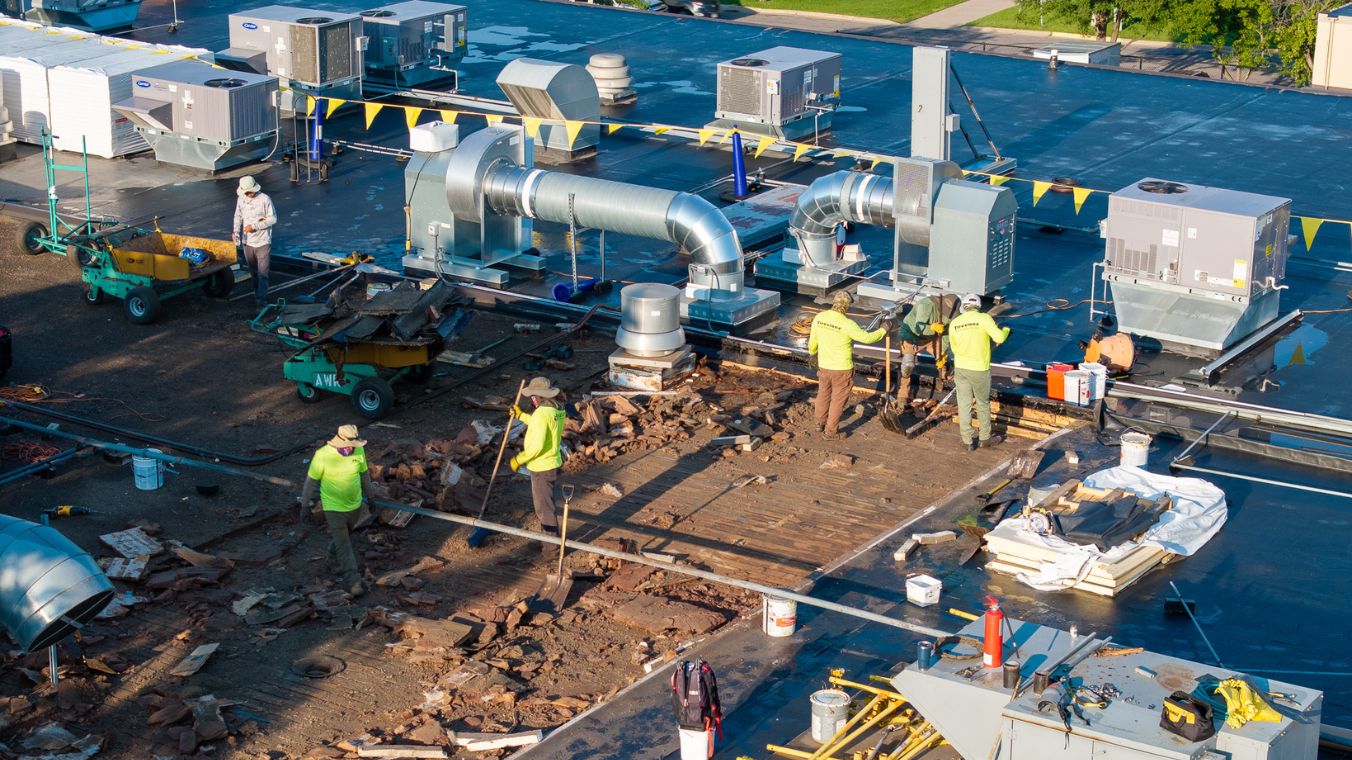
Allweather Roof’s installation process unites century-long experience with award-winning craftsmanship to deliver tailored flat roofing solutions. The team ensures each project—from EPDM to metal panels—meets performance specifications for Minnesota’s temperature swings and moisture challenges. Through meticulous planning, licensed applicators, and quality-assured materials, Allweather Roof integrates reliability into every new roof. Their project management emphasizes clear scopes, safety protocols, and minimal business interruption, laying groundwork for consistent longevity and energy savings.
What Is the Step-by-Step Process for Commercial Flat Roof Installation?
- Initial Assessment – Licensed roof inspectors conduct structural surveys and moisture scans to determine substrate condition.
- Material Selection – Based on assessment findings, recommended membrane type and insulation strategy are confirmed.
- Preparation & Tear-Off – Existing roofing materials are removed, and decking surfaces are repaired or replaced as needed.
- Membrane Installation – Selected roofing system is installed with manufacturer-approved adhesives or mechanical fasteners.
- Flashing & Detail Work – Perimeter flashing, drain flashings, and expansion joints are sealed to factory tolerances.
- Final Inspection – A quality assurance walkthrough validates waterproofing integrity and adhesion.
This workflow ensures predictability and durability across all flat roofing projects managed by Allweather Roof.
How Does Allweather Roof Customize Installations for Different Materials?
- EPDM uses fully adhered or ballasted systems for flexibility.
- TPO relies on heat-welded seams to ensure seamless waterproofing.
- PVC installations include specialized seam welding to resist chemicals.
- Modified Bitumen employs torch-applied or self-adhesive plies based on site conditions.
- Metal panels are field-locked along standing seams and integrated with insulated substrate boards.
Material-specific expertise ensures each system achieves manufacturer warranty criteria and long-term performance.
Why Choose Allweather Roof’s Award-Winning Team for Your Installation?
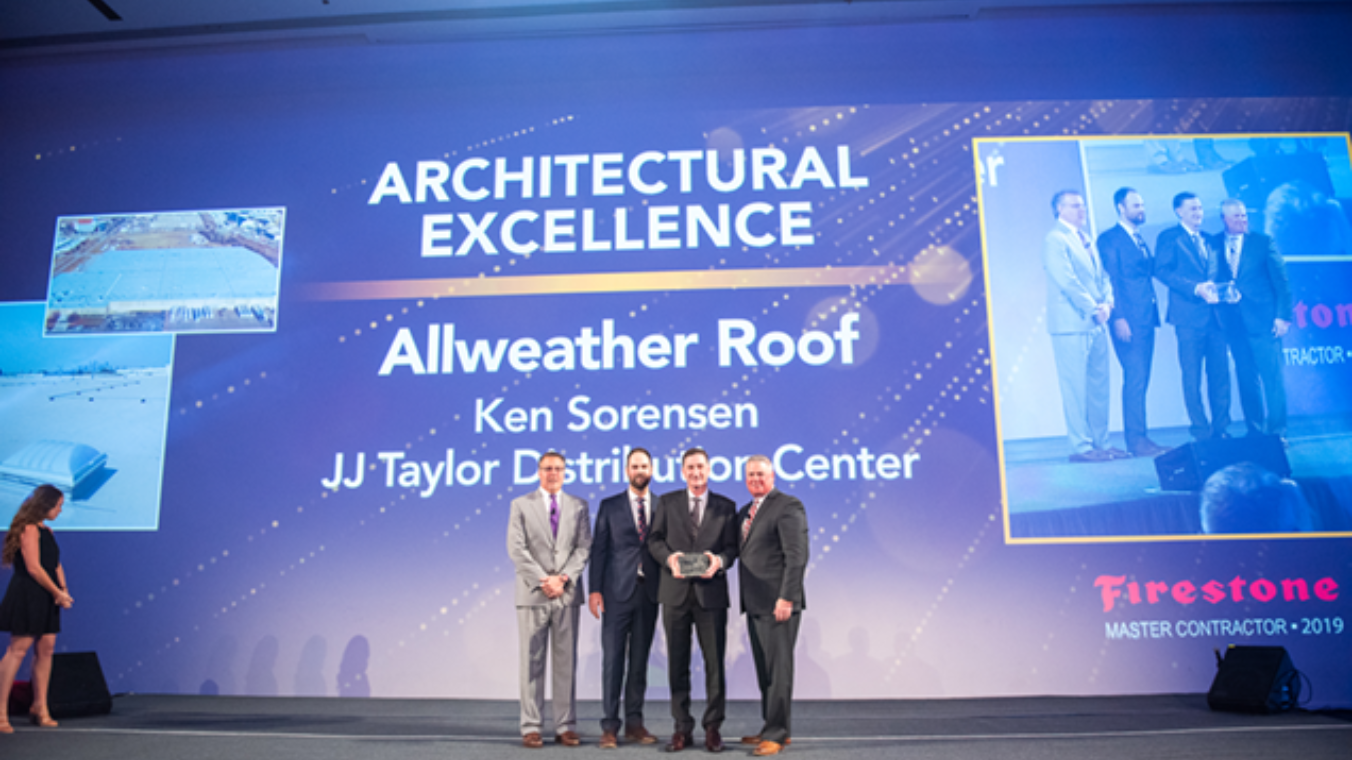
Allweather Roof has earned the Master Contractor Award for 38 years and the Inner Circle of Quality Award for 33 years, reflecting consistent excellence in commercial roofing. Their commitment to innovation and safety practices surpasses conventional approaches, integrating advanced inspection technologies like thermal imaging and drone surveys. This level of authority reassures stakeholders that installations exceed industry standards. Superior project coordination and responsive communication minimize downtime and maximize ROI for property owners.
What Are the Typical Timelines and Costs for Flat Roof Installation in Minnesota?
Typical commercial flat roof installations range from one to four weeks depending on building size and system complexity. Costs vary by membrane type, insulation R-value, substrate repairs, and project logistics, with commercial budgets starting in the mid-dollars per square foot range. Allweather Roof’s transparent estimate process outlines line-item costs, projected timelines, and warranty coverage up front. Businesses can anticipate clear schedules and avoid hidden fees through comprehensive proposal packages.
What Are Common Commercial Flat Roof Problems in Minnesota and How Are They Solved?
Minnesota’s extreme weather triggers ponding water, ice dams, membrane tears, and thermal stress that compromise flat roofs. Addressing these issues requires targeted repair strategies and preventive measures rooted in local climate experience. Allweather Roof’s technicians diagnose root causes using infrared scanning, moisture detection, and structural evaluation. Solutions range from tapered insulation retrofits to seam reinforcement and surface coatings, restoring integrity and protecting businesses against further damage.
How Does Ponding Water Affect Flat Roofs and What Are the Solutions?
Ponding water occurs when low-slope areas retain moisture after precipitation, accelerating membrane degradation and promoting leaks. The standing water increases UV exposure on trapped areas, weakening seams and adhesives. To solve ponding, installers add tapered insulation to improve drainage, install additional drains or scuppers, and reinforce seams with patch membranes. These adjustments restore positive roof slope and prevent standing water from undermining membrane life.
What Causes Ice Dams and Membrane Damage on Minnesota Flat Roofs?
Ice dams form when rooftop snow melts unevenly and refreezes at perimeter edges, creating ice ridges that back up water under membrane laps. Membrane damage results from expanding ice exerting pressure on seams and flashings. Addressing ice dams involves enhancing perimeter insulation, installing heat trace cables on gutters or drains, and reinforcing edge flashings with cold-flex membranes. These measures mitigate freeze-thaw stresses and protect membrane integrity.
How Does Allweather Roof Address Thermal Stress and Freeze-Thaw Damage?
Allweather Roof combats thermal stress by specifying membranes with high elongation and recovery properties, such as EPDM and TPO blends designed for subzero flexibility. Preventive installation includes stress relief flashing, expansion joints, and cover boards to buffer membrane movement. Freeze-thaw damage is monitored through regular inspections and remedial seam sealing before cracks propagate. This proactive strategy minimizes repair frequency and extends roof service life.
When Should Businesses Schedule Emergency Flat Roof Repairs?
Businesses should request emergency repairs when leaks appear, interior water stains are visible, ponding water persists after drainage improvements, or membrane blistering emerges. Allweather Roof offers 24/7 emergency response to stabilize compromised areas, apply temporary water-tight patches, and prevent interior damage. Early intervention limits structural deterioration and reduces long-term restoration costs, safeguarding operations and tenant safety.
How Can Businesses Maintain and Extend the Life of Their Commercial Flat Roofs in Minnesota?
Proactive maintenance ensures flat roofs continue protecting assets through Minnesota’s extreme weather events. Regular inspections, preventive maintenance plans, surface coatings, and timely repairs address wear factors before major failures occur. Allweather Roof’s maintenance service bundles systematic assessments, minor repairs, and season-specific treatments to optimize roof health and control lifecycle costs.
What Are the Benefits of Regular Commercial Roof Inspections?
Regular roof inspections identify minor membrane breaches, flashing gaps, clogged drains, and insulation wetting before they escalate. Inspections provide condition ratings and documented findings that inform maintenance scheduling and budget forecasting. By catching issues early, property managers avoid emergency call-outs and extend membrane life by up to 50 percent. Consistent assessment underpins reliable preventive maintenance plans.
How Do Preventative Maintenance Plans Protect Minnesota Flat Roofs?
Preventative maintenance plans combine semi-annual or annual inspections with scheduled cleaning, seam reinforcement, and minor patching. Plans may include gutter clearing, drain testing, and UV protective coatings to slow membrane aging. This structured approach distributes repair expenses evenly and reduces catastrophic failure risks. Businesses gain predictable service commitments and transparent maintenance ROI.
What Flat Roof Coating Solutions Improve Durability and Energy Efficiency?
Elastomeric and silicone-based coatings create seamless, reflective surfaces that extend membrane life and lower rooftop temperatures. These fluids form protective barriers against ponding water, UV radiation, and chemical pollutants. Reflective coatings can cut cooling costs by up to 20 percent during peak summer months. Combining coatings with insulation upgrades results in dual durability and energy performance improvements.
How Does Allweather Roof’s Maintenance Service Minimize Repair Costs?
Allweather Roof’s maintenance service leverages detailed inspection reports and prioritized repair schedules to address vulnerabilities before they worsen. By bundling minor repairs with seasonal treatments, the program reduces emergency call-outs and protects budget predictability. Transparent maintenance contracts outline service frequency, cost estimates, and warranty extensions, ensuring cost-effective roof management.
Why Is Allweather Roof the Ultimate Choice for Minnesota Commercial Flat Roofing?
Allweather Roof stands out through unmatched experience, prestigious industry awards, and comprehensive service offerings tailored to local climate challenges. Their century-long legacy since 1925, combined with 38 years of Master Contractor Awards and 33 years of Inner Circle of Quality recognition, underscores proven reliability. From new installations to emergency repairs and maintenance, Allweather Roof integrates innovation, craftsmanship, and customer-centric processes into every project.
How Does a Century of Experience Benefit Your Commercial Roofing Project?
A century of continuous service means Allweather Roof has refined installation methodologies, material selection criteria, and risk-mitigation strategies through countless Minnesota projects. Institutional knowledge guides decision-making on membrane types, fastening systems, and insulation configurations. Clients benefit from lessons learned over decades, resulting in optimized performance, fewer callbacks, and extended roof lifecycles.
What Do the Master Contractor and Inner Circle of Quality Awards Mean for Clients?
Earning the Master Contractor Award for 38 consecutive years and Inner Circle of Quality Award for 33 years reflects sustained excellence in workmanship, safety, and customer satisfaction. These accolades signal to clients that Allweather Roof meets rigorous performance benchmarks set by leading manufacturers. Award recognition translates into higher warranty coverage options and priority access to premium materials.
Which Minnesota Commercial Roofing Case Studies Showcase Proven Results?
Recent projects, such as a large warehouse in Plymouth, utilized a TPO system with enhanced insulation, delivering 15 percent energy savings and zero leak callbacks over five years. A manufacturing facility saw EPDM installation withstand record freeze-thaw cycles with no membrane failures. These case studies validate material selections, installation precision, and preventive maintenance strategies under real-world conditions.
What Do Customers Say About Allweather Roof’s Commercial Flat Roofing Services?
Commercial clients consistently praise Allweather Roof’s clear communication, on-time performance, and quality workmanship. Client testimonials highlight seamless project management, minimal business interruption, and responsive emergency repair support. This social proof reinforces trust and positions Allweather Roof as the reliable partner for Minnesota flat roofing needs.
How Much Does Commercial Flat Roof Replacement Cost in Minnesota?
Commercial flat roof replacement pricing depends on membrane type, insulation requirements, existing deck condition, and access logistics, with typical budgets beginning in the mid-dollars per square foot range. Long-term savings from energy-efficient membranes and robust warranties often offset upfront costs. Accurate cost projections enable businesses to evaluate ROI and plan capital expenditures with confidence.
What Factors Influence Flat Roof Replacement Pricing?
- Membrane Selection – EPDM, TPO, PVC, and metal vary in material and installation expense.
- Insulation R-Value – Higher R-values require thicker or additional boards.
- Deck Repairs – Structural or moisture-damaged decks add remediation charges.
- Site Access – Limited rooftop access or urban constraints increase labor and equipment costs.
How Does Allweather Roof Provide Transparent and Competitive Estimates?
Allweather Roof’s estimate process delivers line-item proposals detailing membrane, insulation, labor, and permit fees. Cost breakdowns facilitate side-by-side comparisons of system options. Pre-bid meetings clarify scope, and comprehensive scopes of work eliminate hidden fees. Clients receive clear schedules, warranty options, and financing program outlines for informed decision-making.
What Are the Long-Term Savings of Investing in Quality Flat Roof Replacement?
Investing in premium membranes and proper insulation can reduce energy bills by up to 20 percent, lower repair frequency, and extend service life by 30 percent. Manufacturer warranties backed by Allweather Roof’s award record provide financial protection against defects. Lifecycle cost analyses show quality replacements often cost less per year of service than reactive patch-and-repair strategies.
Are There Financing or Incentive Options for Minnesota Businesses?
Minnesota businesses may access utility rebates for reflective roofing systems and tax incentives for energy-efficiency upgrades. Allweather Roof partners with financial institutions offering flexible payment plans and lease-purchase arrangements to spread project costs. These options enable budget-sensitive organizations to undertake full replacements without lump-sum capital outlays.
How Can Businesses Get a Free Commercial Flat Roof Assessment from Allweather Roof?
A free commercial roof assessment by Allweather Roof includes a full visual inspection, moisture scanning, and performance evaluation to identify vulnerabilities before they become emergencies. This no-cost service equips property managers with a detailed report of recommended repairs, membrane conditions, and upgrade options. Scheduling the assessment kick-starts proactive management of Minnesota’s unique roofing challenges.
What Does a Comprehensive Commercial Roof Assessment Include?
- Infrared moisture mapping of insulated roof assemblies
- Seam and flashing integrity checks
- Drain flow and ponding water analysis
- Insulation and deck condition evaluation
How Does the Assessment Help Identify Minnesota-Specific Roofing Issues?
By focusing on freeze-thaw induced membrane cracks, ponding hotspots, and ice dam risks, the assessment uncovers problems typical in Minnesota’s climate. Thermal imaging isolates moisture-saturated insulation layers that accelerate heat loss. This localized insight drives targeted maintenance and retrofit strategies to prevent costly damages.
How to Schedule Your Free Flat Roof Inspection with Allweather Roof?
Business owners can request an inspection by contacting Allweather Roof’s commercial roofing division via phone or email. A project coordinator arranges on-site access, confirms inspection scope, and outlines follow-up steps. Scheduling flexibility accommodates operational requirements to minimize disruption.
What Should Businesses Expect After the Roof Assessment?
Within days of inspection, clients receive a detailed digital report outlining findings, budget estimates, and timeline recommendations. A consultation meeting reviews priority repairs, budget options, and maintenance plans. This partnership approach empowers businesses to implement solutions that protect assets and control roofing expenses.
Frequently Asked Questions
What are the signs that a commercial flat roof needs repair?
Common signs that a commercial flat roof requires repair include visible leaks, water stains on ceilings or walls, blistering or bubbling of the membrane, and persistent ponding water. Additionally, if you notice cracks or splits in the roofing material, or if the roof appears sagging or uneven, these are indicators of underlying issues. Regular inspections can help identify these problems early, allowing for timely repairs that can prevent more extensive damage and costly replacements.
How often should commercial flat roofs be inspected?
It is recommended that commercial flat roofs be inspected at least twice a year, ideally in the spring and fall. Inspections should also be conducted after severe weather events, such as heavy snow, rain, or storms. Regular inspections help identify minor issues before they escalate into major problems, ensuring the roof remains in good condition and prolonging its lifespan. A proactive maintenance plan can significantly reduce repair costs and enhance the roof’s performance.
What is the typical lifespan of a commercial flat roof?
The lifespan of a commercial flat roof varies depending on the material used. For instance, EPDM and PVC roofs typically last between 25 to 30 years, while TPO roofs can last around 20 to 30 years. Modified bitumen roofs generally have a lifespan of 20 to 25 years, and metal roofs can last significantly longer, often reaching 30 to 50 years. Regular maintenance and timely repairs can extend the life of any roofing system, maximizing your investment.
What are the environmental benefits of energy-efficient roofing materials?
Energy-efficient roofing materials, such as TPO and reflective coatings, help reduce energy consumption by lowering heat absorption, which can significantly decrease cooling costs during hot months. These materials also contribute to a building’s overall sustainability by minimizing the urban heat island effect and reducing greenhouse gas emissions. Additionally, many energy-efficient roofs are made from recyclable materials, further enhancing their environmental benefits and supporting eco-friendly building practices.
How can businesses prepare for a roof replacement project?
To prepare for a roof replacement project, businesses should first assess their current roofing needs and budget. It’s essential to gather multiple estimates from reputable contractors, ensuring they understand the scope of work and materials proposed. Additionally, businesses should inform employees and tenants about the project timeline and any potential disruptions. Finally, securing financing options or incentives can help manage costs effectively, making the transition smoother and more manageable.
What financing options are available for commercial roofing projects?
Many financing options are available for commercial roofing projects, including utility rebates for energy-efficient systems, tax incentives for sustainable upgrades, and flexible payment plans offered by financial institutions. Some roofing companies, like Allweather Roof, may also provide lease-purchase arrangements to help businesses manage upfront costs. Exploring these options can make it easier for businesses to invest in necessary roofing improvements without straining their budgets.
What should businesses do if they experience a roofing emergency?
If a roofing emergency occurs, such as a significant leak or structural damage, businesses should contact a professional roofing contractor immediately. Many companies offer 24/7 emergency services to stabilize the situation and prevent further damage. It’s crucial to document the damage with photos and notes for insurance purposes. Quick action can minimize repair costs and protect the integrity of the building, ensuring business operations can continue with minimal disruption.
Conclusion
Choosing the right commercial flat roofing solution is essential for Minnesota businesses to withstand harsh weather while maximizing energy efficiency and longevity. Allweather Roof’s expertise ensures tailored installations and proactive maintenance that protect investments and enhance property value. By understanding the benefits of various roofing materials and maintenance strategies, businesses can make informed decisions that lead to long-term savings. Schedule your free roof assessment today to start safeguarding your commercial property.