
Storm Damage Roof Repair for Minnesota Commercial Buildings
Understanding Storm Damage
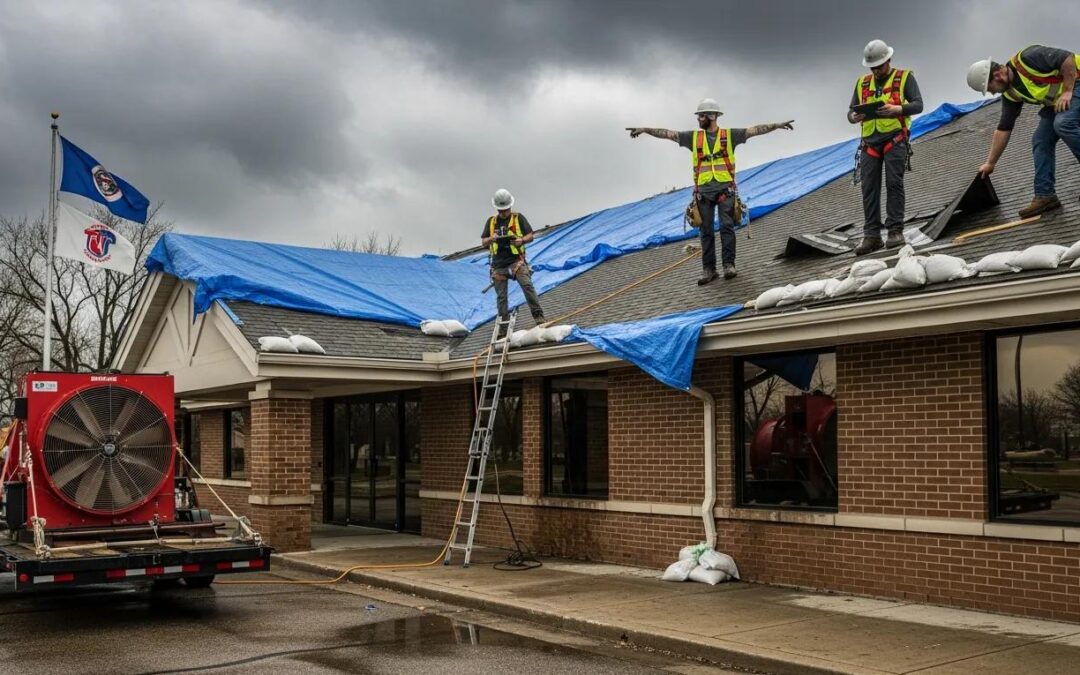
Immediate Response to Storm Damage
- Safety Assessment: Ensure the safety of all personnel before inspecting the roof. Look for hazards such as downed power lines or unstable structures.
- Debris Removal: Clear any debris from the roof and surrounding areas to prevent additional damage and facilitate repairs.
- Temporary Repairs: If possible, perform temporary repairs to prevent water intrusion. This may include covering damaged areas with tarps or other protective materials.
Permanent Repair Solutions
- Roof Replacement: In cases of extensive damage, a complete roof replacement may be necessary. This ensures that the new roof meets current building codes and provides optimal protection.
- Roof Restoration: For roofs with minor damage, restoration techniques such as re-coating or sealing can extend the life of the existing roof.
- Repair of Damaged Sections: Targeted repairs can address specific areas of damage, such as replacing missing shingles or patching leaks.
How to Identify and Assess Hail Damage on Commercial Roofs in Minnesota
- Dents and Dings: Check for visible dents on metal roofing or soft spots on shingles.
- Granule Loss: Inspect the ground around the building for granules that may have washed off the roof.
- Cracks and Punctures: Look for cracks or punctures in roofing membranes that could lead to leaks.
Assessing Hail Damage Claims for Commercial Roofs
Be able to perform a thorough visual inspection for evidence of hail-caused damages to surfaces associated with residential and light commercial structures. Document a methodology for assessing hail damage claims to residential and light commercial structures.
Hail Damage Assessments for Residential and Light Commercial Exterior Finished Surfaces and Steep-Slope Roof Systems, 2021
What Are the Common Signs of Storm Damage on Commercial Roofing Systems
- Visible Damage: Look for missing or damaged shingles, tiles, or membranes.
- Leaks: Water stains on ceilings or walls can indicate roof leaks.
- Ponding Water: Accumulation of water on the roof can signal drainage issues and potential damage.
Navigating Insurance Claims
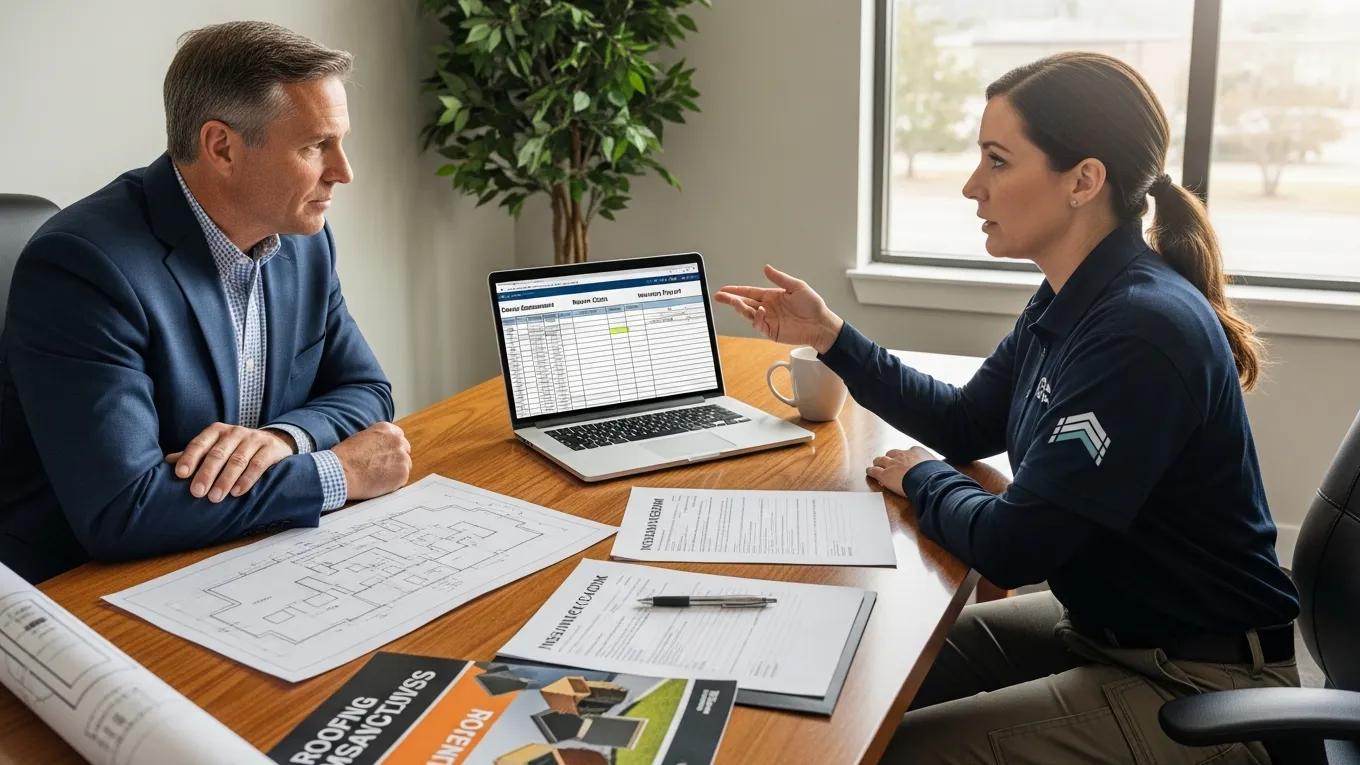
- Documentation Needed: Gather all necessary documentation, including photographs of the damage, repair estimates, and any correspondence with your insurance company.
- Working with Contractors: Engage a reputable roofing contractor to provide a detailed assessment and repair estimate. This information will be crucial for your claim.
- Common Pitfalls: Be aware of common pitfalls, such as underreporting damage or failing to meet deadlines for filing claims.
How Does Allweather Roof Assist with Insurance Claim Processes
- Expertise in Claims: They understand the intricacies of insurance policies and can help you navigate the claims process effectively.
- Documentation Support: Allweather Roof provides assistance in gathering and organizing the necessary documentation for your claim.
- Coordination with Insurers: They can liaise with your insurance company to ensure that your claim is processed smoothly and efficiently.
Emergency Repair Services
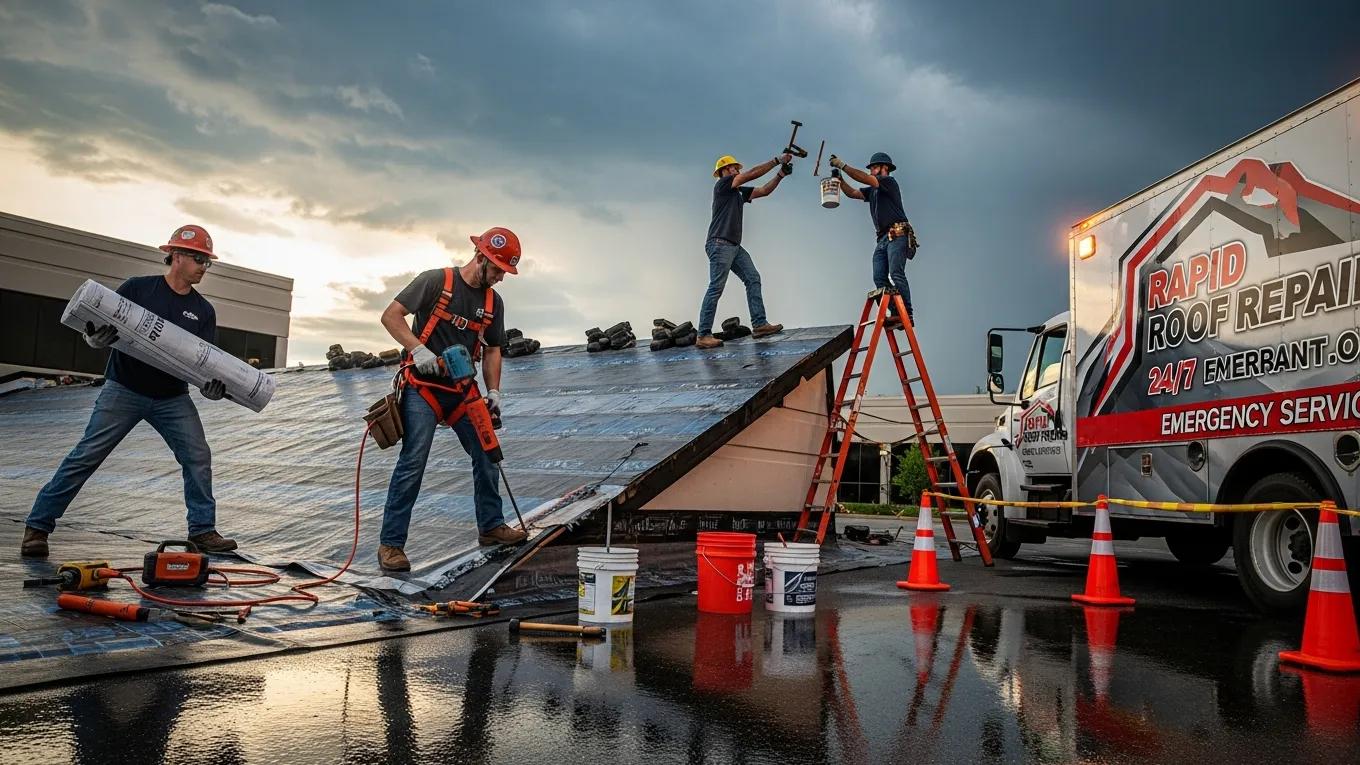
- 24/7 Availability: Many roofing companies offer round-the-clock emergency services to address urgent repairs.
- Rapid Response Teams: Trained professionals can quickly assess and address damage to minimize risks.
- Weather-Proofing Techniques: Emergency repairs often include temporary weather-proofing measures to protect the building until permanent repairs can be made.
Preventative Measures
- Regular Inspections: Schedule routine inspections to identify and address potential issues before they escalate.
- Maintenance Plans: Develop a comprehensive maintenance plan that includes cleaning gutters, checking for wear and tear, and addressing minor repairs promptly.
- Emergency Response Planning: Create a plan for responding to severe weather events, including contact information for emergency services and contractors.
Choosing the Right Contractor
- Local Experience: Choose a contractor with a proven track record in your area, familiar with local weather conditions and building codes.
- Certifications: Look for contractors with relevant certifications and licenses, ensuring they meet industry standards.
- Customer Support: A reputable contractor should provide excellent customer service, addressing your concerns and keeping you informed throughout the repair process.
What Repair Methods Are Used for Effective Storm Damage Restoration
- Roof Replacement: Complete replacement of damaged roofing materials ensures long-term protection.
- Partial Repairs: Targeted repairs can address specific areas of damage without the need for a full replacement.
- Sealing and Coating: Applying protective coatings can extend the life of the roof and enhance its resistance to future storms.
Which Durable Roofing Materials Provide Optimal Storm Resistance for Minnesota Commercial Buildings?
- Metal Roofing: Known for its durability and resistance to hail and wind damage.
- Asphalt Shingles: A cost-effective option that can withstand moderate storm conditions.
- TPO and PVC Membranes: These materials offer excellent waterproofing and UV resistance, making them suitable for flat roofs.
How Do Different Roofing Materials Perform Against Hail and Wind Damage
- Metal Roofing: Highly resistant to hail and wind, often rated for high impact resistance.
- Asphalt Shingles: Performance can vary based on quality; higher-grade shingles offer better protection.
- TPO and PVC: These materials provide excellent waterproofing but may require additional reinforcement in high-wind areas.
What Are the Benefits of Using Advanced, Long-Lasting Roofing Products
- Longevity: High-quality materials can extend the lifespan of your roof, reducing the need for frequent repairs.
- Energy Efficiency: Many modern roofing products are designed to improve energy efficiency, lowering heating and cooling costs.
- Low Maintenance: Advanced materials often require less maintenance, saving time and resources in the long run.
What Maintenance and Prevention Strategies Extend the Life of Commercial Roofs Post-Storm?
- Regular Inspections: Conduct inspections after severe weather events to identify and address any damage promptly.
- Prompt Repairs: Address minor repairs immediately to prevent them from escalating into more significant issues.
- Seasonal Preparation: Prepare your roof for seasonal changes by clearing debris and ensuring proper drainage.
How Regular Inspections and Repairs Prevent Future Storm Damage
- Mitigate Risks: Addressing minor problems before they escalate can prevent costly repairs down the line.
- Maintain Roof Integrity: Regular maintenance helps ensure that your roof remains structurally sound and capable of withstanding severe weather.
- Enhance Longevity: Consistent care can extend the lifespan of your roofing materials, providing better long-term value.
What Preventative Measures Are Recommended for Minnesota’s Severe Weather
- Quality Materials: Invest in high-quality roofing materials designed to withstand harsh conditions.
- Proper Installation: Ensure that your roof is installed correctly to maximize its performance and durability.
- Emergency Response Planning: Develop a comprehensive plan for responding to severe weather events, including contact information for emergency services and contractors.