
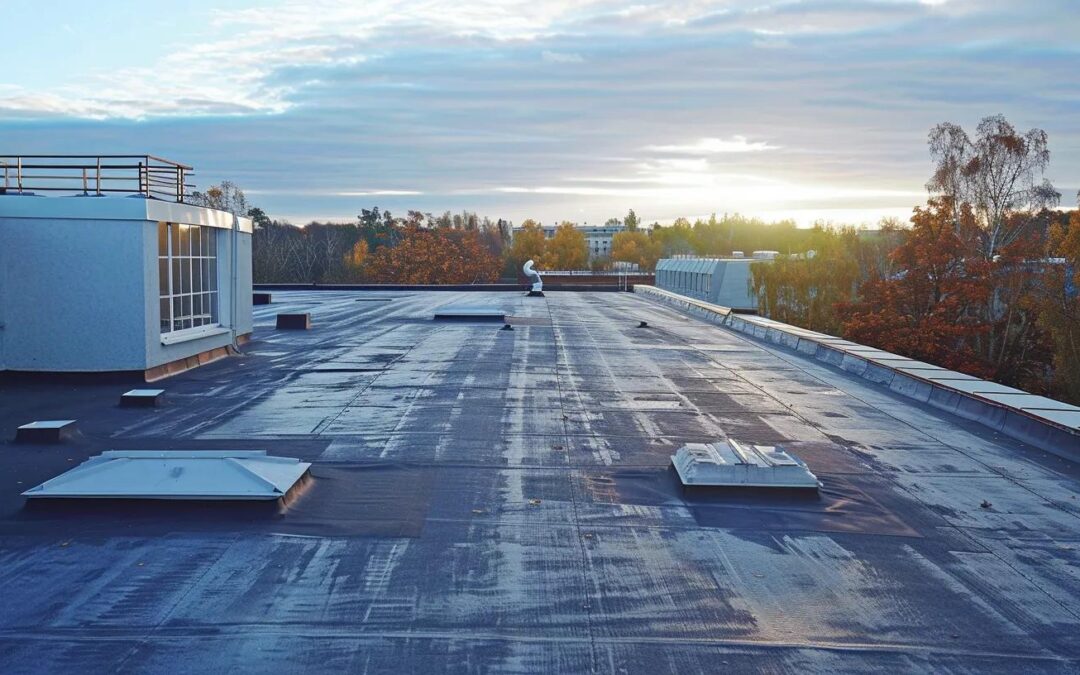
Commercial Flat Roof Repair in Minnesota: Repair Solutions, Costs & Maintenance
Commercial flat roof repair in Minnesota demands cost-effective, durable solutions that address unique regional challenges such as heavy snowfall, freeze-thaw cycles, and ponding water after spring melts. Allweather Roof combines 15–30+ years of certified technician expertise with manufacturer-approved methods to deliver affordable commercial flat roof repair that extends roof lifespan and preserves warranties. This article guides commercial building owners, property managers, architects, contractors, and consultants through the most common flat roof problems, cost considerations, material options, emergency services, maintenance strategies, and the steps to request a transparent repair estimate. Each section clarifies definitions, mechanisms, and benefits while weaving in Allweather Roof’s 24/7 emergency readiness and commitment to excellence.
What Are the Most Common Commercial Flat Roof Problems in Minnesota?
Commercial flat roofs in Minnesota often face persistent issues driven by climate stressors and material fatigue. Ponding water after snowmelt or heavy rain can accelerate membrane deterioration and compromise drainage systems. Temperature fluctuations between sub-zero winters and warm summers induce thermal expansion and contraction, leading to seam separation and flashing failures. Identifying these problems early prevents leaks, interior damage, and energy loss.
How Does Ponding Water Affect Commercial Flat Roofs?
Ponding water forms when drainage is insufficient or when the roof deck lacks proper slope. Standing water increases membrane stress, promotes algae growth, and accelerates membrane seams’ degradation. Over time, this can lead to localized soft spots, weakened insulation, and water intrusion through pinholes or fatigue cracks.
What Causes Membrane Damage and Flashing Failures?
Thermoplastic membranes and flashing edges endure UV exposure, freeze-thaw stress, and mechanical wear from foot traffic and rooftop equipment. These factors cause splits, seam separations, and loose flashing that allow water penetration at roof perimeters. Proper flashing installation and regular sealing restore watertight integrity and prevent future failures.
How Do Leaks Develop on Commercial Flat Roofs?
Leaks arise where membranes puncture, seams separate, or flashing becomes compromised. Common leak sources include rooftop HVAC penetrations, deteriorated sealants around drains, and blistering from trapped moisture. Pinpointing leaks often requires infrared imaging or electronic leak detection to locate moisture beneath the membrane.
What Are Other Frequent Flat Roof Issues Like Blistering and Punctures?
Blistering occurs when moisture or air pockets trapped under the membrane expand under heat, forming bubbles that may burst under pressure. Punctures result from falling debris, foot traffic, or hail impact, creating holes that allow direct water entry. Addressing these defects with patching and localized reinforcement restores membrane continuity and durability.
These common problems underscore the importance of timely identification and repair. Understanding cost drivers and repair methods leads directly into assessing affordable repair costs in Minnesota.
How Much Does Affordable Commercial Flat Roof Repair Cost in Minnesota?
Repair costs for commercial flat roofs vary based on damage severity, roof size, material type, and access complexity. Allweather Roof delivers transparent estimates by assessing each roof’s unique characteristics, balancing affordability with long-term performance. Prompt repairs on minor membrane tears or flashing gaps often cost a fraction of full replacement rates.
Repairs vs. replacement involve trade-offs in material life expectancy, warranty preservation, and downtime. Financing options, such as deferred payment plans or seasonal promotions, make even extensive repairs accessible without compromising quality. Early intervention reduces cumulative costs by preventing interior damage and energy inefficiencies.
Materializing these factors in an EAV table clarifies typical repair-cost influences:
This table demonstrates how membrane selection, damage scope, and conditions influence budget planning. Comparing these repair figures against full replacement rates emphasizes why affordable, well-timed repairs deliver superior cost-effectiveness and roof longevity.
What Factors Influence Commercial Flat Roof Repair Costs?
Key cost drivers include roof material (TPO, EPDM, BUR), repair area size, access complexity, and local labor rates. Warmer months may reduce labor costs, while winter repairs often carry premiums. Energy-efficient reflective coatings can offset costs by lowering cooling bills over the repair’s lifespan.
How Does Repair Compare to Full Roof Replacement Costs?
Repairs typically run 20–50% of replacement expenses, depending on material pairing and warranty retention. Timely patching of membrane splits and flashing resealing prevents escalation. Replacement might be justified when more than 30% of the roof requires repair or when underlying insulation is compromised.
Are There Financing Options for Commercial Roof Repairs?
Flexible payment plans, seasonal financing programs, and deferred billing accommodate budget constraints without sacrificing repair quality. Securing estimates in advance allows property managers to align repairs with fiscal calendars while Allweather Roof’s transparent quote process ensures no hidden fees.
How Can Timely Repairs Save Money Long-Term?
Early repair of minor leaks and membrane issues prevents water intrusion that can damage insulation, ceiling tiles, electrical systems, and interior finishes. Extending roof service life delays replacement costs, preserves energy efficiency, and reduces emergency call-out expenses.
What Are the Best Commercial Flat Roof Repair Materials and Methods in Minnesota?
Selecting the right repair materials and methods is essential for durable, affordable results. Each system requires tailored solutions that match membrane properties and Minnesota’s climate stressors. Allweather Roof’s certified technicians apply industry-approved techniques to restore membrane continuity and extend roof performance.
Before listing specific systems, consider this comparison of common repair materials:
This comparison clarifies how each membrane’s attributes meet different repair requirements and budget targets. Detailed methods for each system follow below.
Why Is TPO Roofing Popular for Commercial Flat Roofs in Minnesota?
Thermoplastic Polyolefin (TPO) roofing offers high UV reflectivity, heat-weldable seams, and flexibility in cold temperatures. These properties reduce thermal stress, lower cooling loads, and resist punctures from hail or debris—critical for Minnesota’s seasonal extremes.
How Does Allweather Roof Repair TPO Flat Roofs?
Allweather Roof technicians begin with a thorough inspection using infrared imaging to locate moisture and seam leaks. After cleaning the surface, technicians apply manufacturer-approved TPO repair kits, heat-weld membrane patches over damaged areas, and reinforce seams with hot-air welding to restore watertight integrity.
What Are the Advantages of EPDM Roofing and Its Repair Solutions?
Ethylene Propylene Diene Monomer (EPDM) offers exceptional elasticity and tear resistance in low temperatures. Repairs involve priming with a compatible adhesive, applying EPDM patches, and sealing edges with reinforced tape. This method maintains membrane flexibility and prevents future splitting under freeze-thaw cycles.
How Are Modified Bitumen and BUR Roofs Repaired Affordably?
Modified bitumen repairs use torch-applied or cold-adhesive patches to seal leaks in multi-ply systems, restoring tear resistance and waterproofing. Built-Up Roofing (BUR) membranes receive asphalt coating overlays and felts to reinforce damaged zones. Both methods balance material durability with budget considerations.
What Role Do Roof Coatings Play in Extending Roof Life?
Roof coatings such as silicone or acrylic serve as additional waterproof barriers, enhancing UV resistance and reflecting solar heat. A properly applied coating can add 5–10 years of service life, reduce energy expenses, and protect repaired patches.
These material-specific methods illustrate how Allweather Roof customizes repairs for each membrane type, ensuring affordable durability across diverse commercial properties.
Predictive Service Life Tests for Roofing Membranes: Durability and Degradation Factors
The Army and roofing industry have extensive field experience with roofing membranes. Roofing manufacturers, however, have been changing the composition of the membranes and introducing new materials at an increasing pace. Despite the initial satisfactory rating of some of the new products, their long-term durability is unknown. Army roofing managers need reliable tests to predict the durability of roofing membranes. The objective of this study was to characterize roofing membrane material based on in-service performance requirements and criteria, and to identify degradation factors and mechanisms that can be used to propose accelerated aging tests for service life prediction of roofing membranes. This study determined that existing criteria and measurements for performance testing are inadequate. Predictive service life tests should be developed based on physical and chemical degradation measured after accelerated aging tests in a variety of climates. Degradation modeling and standard test methods should be incorporated into the test process. Built-up roof, Roofing membranes, Predictive maintenance.
Predictive service life tests for roofing membranes: Phase 1, 1993
How Does Allweather Roof Provide Emergency Commercial Flat Roof Repair in Minnesota?
Emergency flat roof repair demands rapid response, precise diagnosis, and temporary containment until permanent restoration. Allweather Roof’s 24/7 emergency service aligns seasoned technicians and resources to minimize interior damage and business disruption.
What Are Common Emergency Roof Repair Scenarios?
Storm-driven punctures, seam separations after heavy snowfall, flashings torn by high winds, and drain blockages causing sudden ponding water all require immediate attention. Rapid containment prevents interior water damage, electrical hazards, and mold growth.
How Quickly Can Allweather Roof Respond to Emergencies?
With technicians on call around the clock, response times frequently fall within 2–4 hours of notification. Local presence in Minneapolis, the Twin Cities, and Austin, MN ensures proximity to most commercial properties for swift mobilization.
What Steps Are Involved in Emergency Flat Roof Repairs?
- Secure safety perimeter and access.
- Conduct rapid leak source assessment using visual inspection and moisture detection tools.
- Apply temporary sealants, tarps, or membrane patches to stop active leaks.
- Schedule comprehensive repair work once weather permits.
How Does Emergency Repair Prevent Extensive Damage?
Immediate containment arrests water infiltration that can compromise ceiling systems, electrical components, and insulation. Emergency measures also stabilize roof areas to avoid structural weakening, reducing both repair scope and cost when permanent restoration follows.
Emergency services anchor the full repair process, bridging urgent containment with long-term solutions that Allweather Roof delivers through certified expertise.
How Can Commercial Flat Roof Maintenance Extend Roof Lifespan and Save Costs?
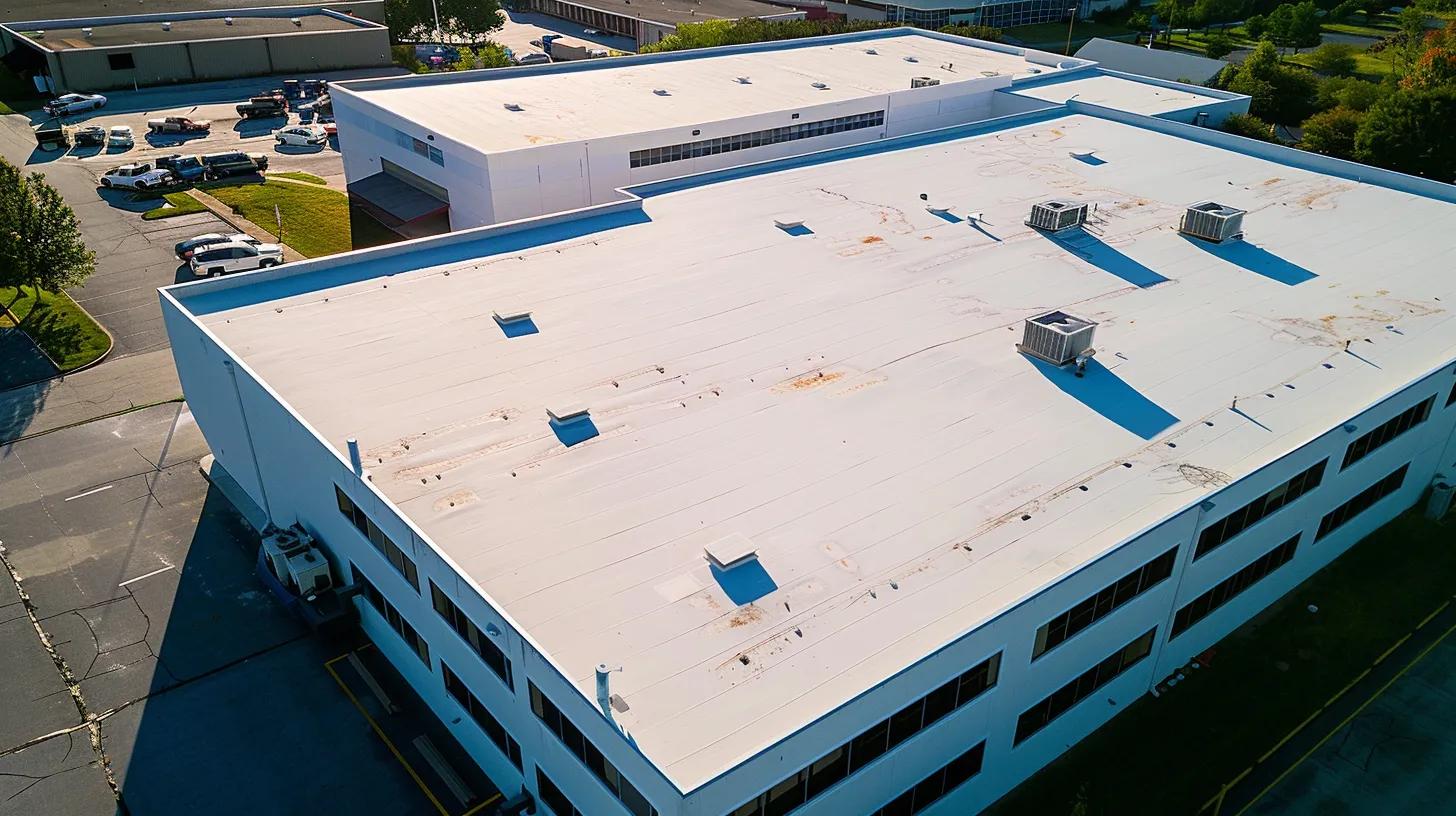
Preventative maintenance is the cornerstone of commercial roof longevity. Regular inspections and timely upkeep reduce cumulative damage, enhance energy efficiency, and ensure warranty compliance. Allweather Roof’s maintenance programs identify minor issues before they escalate into costly repairs.
A thorough inspection checklist guides technicians through critical checkpoints:
- Drain and gutter condition
- Membrane seam and flashing integrity
- Surface debris and vegetation removal
- Roof coating condition
- Drainage slope and ponding water assessment
What Is Included in a Commercial Flat Roof Inspection Checklist?
Technicians evaluate membrane seams, flashing, penetrations, drains, and coating adhesion. Infrared imaging or moisture scanning locates hidden wet insulation. A detailed report outlines recommended repairs, coating needs, and drainage improvements.
How Often Should Commercial Flat Roofs Be Inspected in Minnesota?
At minimum, spring and fall inspections catch freeze-thaw damage and winter ice dam issues. Additional checks after severe storms ensure no new leaks or membrane shifts have occurred, preserving roof health year-round.
What Preventative Measures Reduce Repair Needs?
Clearing debris, maintaining proper drainage, resealing flashings, and applying roof coatings every 3–5 years prevent membrane stress and water intrusion. Addressing minor tears or punctures immediately removes breeding grounds for larger failures.
How Does Maintenance Improve Energy Efficiency and Warranty Compliance?
Clean, reflective coatings lower cooling loads by up to 20%, reducing utility bills. Scheduled maintenance records also satisfy manufacturer warranty requirements, ensuring repairs remain under coverage and avoiding out-of-pocket replacement costs.
Proactive maintenance extends roof life, delivers cost savings, and maintains performance benchmarks directly tied to long-term operational budgets.
Why Choose Allweather Roof for Affordable Commercial Flat Roof Repair in Minnesota?
Allweather Roof’s local presence, certified expertise, and dedication to quality make it the premier partner for commercial flat roof repair. Trained technicians with 15–30+ years of combined experience work on all major membrane systems, preserving existing warranties and ensuring lasting performance.
What Experience and Certifications Do Allweather Roof Technicians Have?
Technicians hold certifications for all major roofing manufacturers, use infrared imaging for leak detection, and follow industry best practices. Their collective experience of over 100 years fosters deep knowledge of local climate impacts and membrane behavior.
How Does Local Presence Benefit Minnesota Commercial Clients?
Proximity allows rapid emergency response, minimal travel costs, and familiarity with regional building codes. Local technicians also understand seasonal weather patterns, tailoring repair schedules for optimal material performance.
What Customer Testimonials Highlight Affordable and Quality Repairs?
Clients consistently commend prompt service, transparent estimates, and repairs that stand up to Minnesota’s weather extremes. End-users note reduced energy bills after reflective TPO repairs and extended roof service lives following preventative maintenance.
How Does Allweather Roof Ensure Long-Lasting Repair Quality?
Manufacturer-approved materials, hot-air welding for TPO seams, and multi-step surface preparation protocols guarantee repairs that resist UV exposure, punctures, and thermal cycling. This commitment to excellence secures lasting protection and cost savings.
What Are the Steps to Request a Commercial Flat Roof Repair Estimate in Minnesota?
Requesting a transparent, affordable estimate with Allweather Roof involves a clear, four-step process designed to minimize administrative burden and maximize clarity.
How Can You Schedule a Free Roof Inspection with Allweather Roof?
Contact the local office or call to arrange an on-site inspection at a convenient time. Technicians verify roof access, assess safety requirements, and outline inspection scope before arrival.
What Information Is Needed for an Accurate Repair Quote?
Provide roof dimensions, age, material type, existing warranty details, and any known damage areas. Facility usage and rooftop equipment locations help refine labor and safety planning.
How Does Allweather Roof Provide Transparent and Affordable Estimates?
After inspection, clients receive a detailed proposal outlining recommended repairs, materials, labor costs, and optional coating or maintenance programs. No hidden fees or surprise surcharges ensure budgeting accuracy.
What Are the Next Steps After Receiving a Repair Estimate?
Review the proposal, select desired services or financing options, and schedule repair dates. Allweather Roof coordinates permits, materials, and safety planning to deliver efficient, high-quality repairs with minimal business interruption.
Engaging Allweather Roof for a free inspection initiates a collaborative process that balances affordability, performance, and long-term roof health.
By addressing common problems, cost factors, repair materials, emergency services, maintenance strategies, and estimate procedures, this guide equips Minnesota commercial property professionals to secure affordable, expert flat roof repair solutions. Partnering with Allweather Roof ensures timely interventions, lasting results, and optimized lifecycle value for every commercial flat roof.
Frequently Asked Questions
What preventative measures can be taken to avoid common flat roof issues?
Regular maintenance is crucial for preventing common flat roof issues such as leaks and ponding water. Property owners should ensure proper drainage systems are in place, clear debris regularly, and inspect roof membranes for signs of wear or damage. Applying reflective coatings every few years can also reduce thermal stress. Scheduled inspections during spring and fall help catch potential problems before they escalate, thereby preserving the integrity of the roof and extending its lifespan.
What is the importance of roof insulation in flat roof systems?
Roof insulation plays a vital role in the energy efficiency of flat roof systems. It helps reduce heat transfer, keeping the building cooler in the summer and warmer in the winter. Quality insulation also minimizes the risk of condensation, which can lead to moisture problems. Properly insulated roofs lower energy costs significantly, enhancing comfort for occupants. Additionally, maintaining insulation can prolong the roof’s life by preventing thermal cycling damage and helping to avoid costly repairs.
How can weather conditions affect flat roof materials?
Weather conditions significantly impact flat roof materials, especially in regions with extreme temperatures like Minnesota. Harsh winters can lead to freeze-thaw cycles that cause cracking and separation in membranes, while summer heat can accelerate aging. Moisture from rain or snow can also weaken roofing materials over time, leading to issues such as blistering or leaks. Choosing the right roofing materials and regularly maintaining the roof can help mitigate these weather-related challenges and enhance durability.
Are there any specific signs that indicate a need for immediate roof repair?
Yes, several signs indicate a need for immediate roof repair. These include visible leaks or water stains on ceilings, soft spots on the roof surface, pooling water that doesn’t drain, and damaged or missing flashing. If you notice blistering, cracks, or denting in the roofing material, these could also signify deeper issues. Timely intervention can prevent further damage and higher repair costs, so it’s wise to act quickly if these issues arise.
How do I choose the right contractor for flat roof repairs?
Choosing the right contractor for flat roof repairs involves several key considerations. Look for contractors with experience and specific expertise in flat roofing systems. Check for licensing, insurance, and reviews from previous clients to gauge their reputation and reliability. Ask about warranties for both materials and workmanship, and ensure they use manufacturer-approved products. Request detailed estimates and compare them to ensure transparency in pricing and services offered, leading to informed decisions.
What is the expected lifespan of a well-maintained flat roof?
The expected lifespan of a well-maintained flat roof typically ranges from 15 to 30 years, depending on the material used and maintenance practices. Materials like TPO and EPDM can last upwards of 20 years when properly cared for, while built-up roofing (BUR) might exceed 30 years with regular inspections and maintenance. Ensuring timely repairs and addressing minor issues proactively can significantly enhance a roof’s durability, maximizing its operational lifespan.
Conclusion
Choosing affordable commercial flat roof repair solutions in Minnesota not only addresses immediate issues but also enhances long-term performance and energy efficiency. Our expert services maximize roof lifespan while ensuring that each repair aligns with warranty provisions. We encourage you to explore Allweather Roof’s offerings and schedule a free inspection for tailored solutions. Invest in your building’s future with our transparent, cost-effective approaches today.