
Commercial Skylight Installation Costs in Minneapolis: Pricing, ROI & Cost Factors
Commercial skylight installation transforms flat and low-slope roofs into daylight-filled environments while delivering energy savings and aesthetic appeal. Understanding Minneapolis skylight installation cost estimates is essential for commercial building owners aiming to balance upfront investment with long-term operational benefits. This guide examines the main cost drivers, average pricing brackets for 2025, return on investment, permit requirements, contractor selection criteria, maintenance considerations, and real project outcomes. With expertise from Allweather Roof—a trusted local commercial roofing contractor—readers will gain practical insights and clear next steps for securing accurate quotes and maximizing daylighting value.
What Are the Key Factors Influencing Commercial Skylight Installation Costs in Minneapolis?
Commercial skylight costs hinge on multiple interrelated factors that determine both materials and labor expenditures. Projects on existing TPO or EPDM roofs may differ significantly from those on metal decking, and feature additions such as ventilation or automation further affect budgets. A systematic breakdown reveals how each element—from skylight type to permitting—shapes final proposals. Recognizing these cost drivers empowers decision-makers to forecast expenses accurately and plan for contingencies.
How Does Skylight Type and Size Affect Installation Cost?
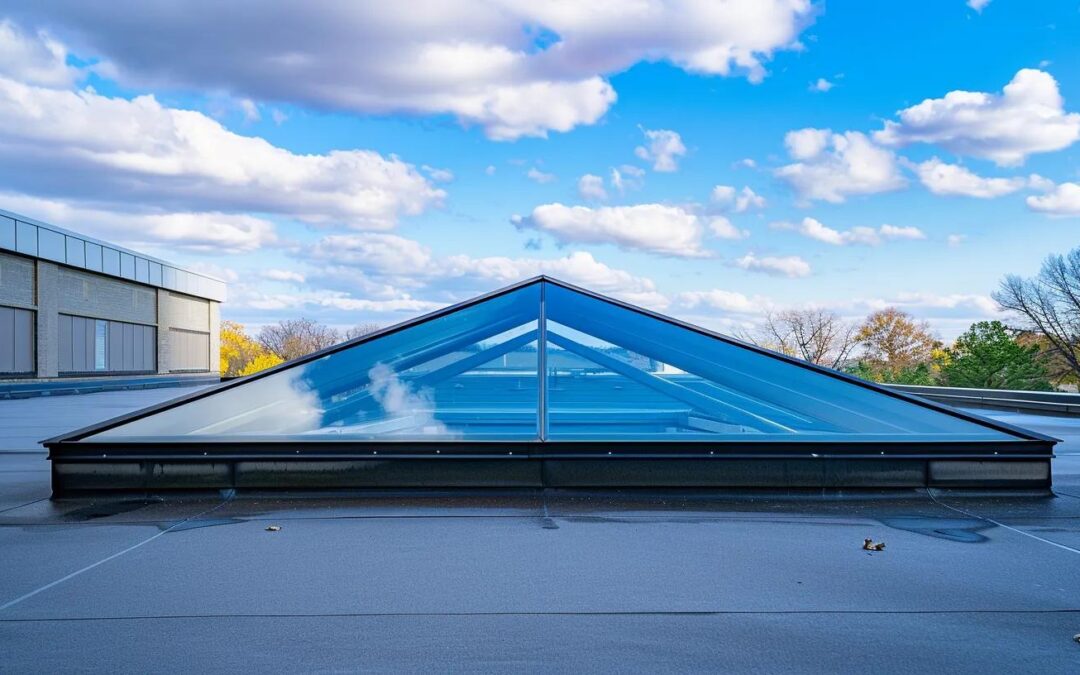
Skylight type and size influence material pricing, structural work, and installation complexity. Larger curb-mounted glass units require robust flashing and support curbs, driving both product and labor costs higher. Bubble or dome systems offer lightweight profiles and simpler mounting but may demand specialized sealing to prevent air infiltration. Tunnel and pyramid skylights add design flexibility yet involve custom curbing and insulation, which increase per-square-foot rates. Size increments often yield diminishing returns in pricing, so optimal dimensions balance daylight distribution with budget constraints.
What Role Do Material Quality and Glazing Play in Pricing?
High-performance glazing and framing increase upfront investment while delivering long-term efficiency. Tempered low-iron glass with Low-E coatings provides superior light transmission, UV protection, and thermal performance, which supports reduced HVAC loads. Insulated aluminum or fiberglass frames resist condensation and structural warping, commanding higher material costs. Standard clear polycarbonate domes, although less expensive, offer lower R-values and shorter lifespans. Investing in premium glazing and frames may raise installation bids by 15–25 percent but enhances durability and energy savings over decades.
How Does Roof Type and Complexity Influence Labor and Installation Costs?
Roof construction and slope dictate labor intensity and integration techniques. Flat or low-slope TPO and EPDM roofs require membrane cutting, reinforcements, and specialized flashing kits to maintain watertight integrity. Metal deck roofs involve penetrating steel panels and sealing beneath ribs, requiring both skilled metalwork and precise sealant applications. Built-up or modified bitumen systems often need tear-off and substrate preparation before curb installation, adding tear-off disposal fees. Complex roof geometries or rooftop equipment traversing skylight locations further extend labor hours and require bespoke safety measures.
Why Are Installation Labor and Contractor Expertise Important for Cost?
Certified commercial roofing contractors command premium labor rates reflecting training, warranties, and quality assurance. Experienced crews minimize installation errors, reducing costly call-backs for leaks or framing adjustments. Labor rates in Minneapolis for licensed installers typically range from $50 to $85 per hour, influenced by project scale and seasonality. Contractors offering 24/7 emergency response and manufacturer-backed guarantees may quote higher fees but deliver peace of mind and performance validation. Investing in reputable expertise mitigates risk and often yields lower life-cycle costs.
What Are the Costs of Structural Modifications and Permits in Minneapolis?
Structural modifications include curb fabrication, roof framing reinforcement, and curb lowering or raising to achieve proper drainage. Framing costs range from $150 to $350 per linear foot, depending on material and load-bearing requirements. Minneapolis permit fees for commercial skylight installations typically start around $75 for plan review, with inspection charges adding approximately $50 per site visit. Structural engineering stamps and energy code compliance documentation may incur additional professional fees, totaling $200–$500 per project. Anticipating these charges in early budgeting prevents unexpected overruns.
How Do Additional Features Like Ventilation and Automated Controls Affect Cost?
Adding motorized venting, rain sensors, or integrated lighting ramps up system complexity and wiring needs. Automated skylights with remote controls or building management system integration can add $800–$1,500 per unit for actuators, sensors, and labor. Passive ventilation vents cost $250–$400 each and require ductwork or rain-proof hoods. Incorporating daylight-harvesting lighting controls involves photocell calibration and system commissioning fees, boosting overall bids by 10–15 percent. While optional, these features optimize indoor air quality and lighting efficiency.
What Are the Average Commercial Skylight Installation Cost Ranges in Minneapolis for 2025?
Average cost estimates for commercial skylight installations in Minneapolis vary by project scope and skylight configuration. Small office spaces with a single curb-mounted unit will see different brackets than large warehouses with multiple domes or tunnels. The table below outlines typical ranges for common installations in 2025, helping stakeholders set realistic budget expectations.
These brackets serve as preliminary guidelines for budgeting and comparison. Securing a custom quote remains essential to accommodate unique roof conditions, material selections, and regulatory requirements.
What Is the Typical Cost Range for Small to Medium Commercial Skylight Projects?
Small to medium commercial projects, such as offices or boutiques, often involve one to three units averaging 2–4 feet in diameter or square. Curb-mounted and dome systems for these settings typically cost $2,500 to $7,000 per opening. Material choices and glazing options influence the top end of these estimates, while standard polycarbonate or basic insulated frames occupy the lower end. Building owners should reserve budget flexibility for flashing kits, curb modifications, and permit fees, which collectively add up to 10–15 percent of the skylight base cost.
How Much Does Large-Scale Skylight Installation Cost for Warehouses and Industrial Buildings?
Large-scale installations in warehouses or industrial facilities may require dozens of units and custom panel arrays. Bulk ordering reduces per-unit pricing to roughly $2,200–$8,000, depending on system type and integration complexity. Tunnel systems for distribution centers cost around $2,200–$4,500 per light tube, while expansive flat glass panels in skylight banks range from $6,000 to $10,000 each. Labor and logistics for rooftop staging and safety scaffolding add 20–30 percent to material costs. Detailed staging plans and logistics management become critical to control overall budgets.
Why Is Getting a Custom Quote Essential for Accurate Pricing?
Each commercial roof presents unique variables—substrate condition, parapet heights, existing membrane type, and weather exposure patterns. Custom quotes account for these factors through roof surveys, structural assessments, and localized permit research. Professional contractors like Allweather Roof combine on-site analysis with manufacturer pricing to deliver transparent proposals and avoid generic estimates. Clients benefit from line-item breakdowns that differentiate material, labor, permit, and contingency costs, ensuring no hidden fees and clear financial planning.
How Does Commercial Skylight Installation Deliver Return on Investment (ROI) in Minneapolis?
Commercial skylight installation yields multiple financial and productivity returns that offset initial expenditures. By harnessing natural daylight, businesses can reduce reliance on electric lighting, lower HVAC loads, and improve employee well-being. These advantages compound over time to deliver quantifiable savings, increased property valuations, and operational resilience in Minneapolis’s variable climate. Understanding ROI factors guides stakeholders in evaluating skylight feasibility against long-term performance goals.
How Do Skylights Contribute to Energy Savings and Lower Lighting Costs?
Skylights can replace up to 70 percent of artificial lighting during daylight hours, cutting lighting energy consumption by 15–20 percent annually. Well-insulated glazing with Low-E coatings reduces heat gain in summer and heat loss in winter, curbing HVAC runs. Integrated daylight-harvesting controls dim or switch off fixtures automatically, boosting savings without manual intervention. The combined reduction in electricity and heating expenses typically recoups skylight investments within 5–8 years, depending on local utility rates and building usage patterns.
What Are the Productivity and Employee Well-being Benefits of Natural Daylight?
Exposure to natural light enhances mood, reduces eye strain, and maintains circadian rhythms—factors linked to improved focus, reduced absenteeism, and higher task accuracy. Studies show daylight-rich environments boost employee output by up to 15 percent and decrease reported fatigue by 30 percent. Retail staff and office workers alike experience faster decision-making, elevated morale, and lower turnover rates. By fostering healthful indoor environments, skylights indirectly support bottom-line performance through enhanced workforce engagement.
How Do Skylights Enhance Commercial Property Value and Aesthetics?
Daylit interiors command premium market valuations by offering modern design appeal and sustainable performance features. Prospective tenants and buyers place higher rents on spaces with abundant natural light and energy-efficient credentials. Skylights also create architectural focal points—atria, lobbies, and showrooms gain visual interest with diffused daylight. Enhanced curb appeal and documented energy-savings metrics drive quicker property sales and justify higher commercial lease rates in competitive Minneapolis markets.
What Is the Commercial Skylight Installation Process and Permit Requirements in Minneapolis?
A structured installation process ensures compliance with local regulations and long-term performance. Minneapolis building codes, structural assessments, and watertight detailing form the backbone of every successful skylight project. Clear installation steps—from pre-installation surveys to final inspections—streamline execution and maintain quality control. Familiarity with permit timelines and documentation requirements prevents delays and budget overruns.
What Are the Pre-Installation Assessments and Structural Considerations?
Pre-installation surveys evaluate roof deck condition, load-bearing capacity, and existing flashing integrity. Structural engineers verify that roof framing can support skylight weights and wind loads, often requiring reinforcement of joists or purlins. Roof membrane condition assessments identify areas needing repair or replacement prior to curb installation. Allweather Roof’s thorough assessments generate detailed reports that inform material selections and structural modifications, ensuring installations meet building code and manufacturer specifications.
How Are Flashing and Sealing Techniques Applied to Ensure Watertight Skylights?
Proper flashing and sealant strategies are critical for preventing leaks. Commercial installations employ multi-layered flashing kits: base jamb flashing, curb flange integration, and top cap installation bonded with high-performance polyurethane or silicone sealants. Seam tape and membrane underlayment secure transitions between skylight curbs and roofing systems. Final seal checks involve water testing and infrared scanning to identify potential intrusion points. Meticulous sealing practices extend skylight lifespans and protect interior finishes from moisture damage.
What Minneapolis Building Codes and Permits Are Required for Skylight Installation?
Minneapolis requires commercial permit applications detailing structural plans, energy code compliance, and fire safety provisions. Permit fees begin at approximately $75 for initial review, with additional inspection fees near $50 per visit. Projects exceeding 100 square feet of new openings may trigger energy code submittals demonstrating U-factor and solar heat gain coefficient compliance. Contractors submit manufacturer product data, engineered shop drawings, and site plans to the Department of Regulatory Services for approval before construction can commence.
What Is the Typical Installation Timeline for Commercial Skylights?
Commercial skylight projects generally follow a 4–8 week timeline from initial survey to final inspection. Weeks 1–2 encompass site evaluations, permit submittals, and engineering approvals. Weeks 3–5 focus on manufacturing custom curbs, ordering glazing, and preparing staging. Installation crews mobilize in Week 6, completing curb installation, flashing, and system integration in 2–4 days per unit, depending on weather conditions. Final inspections and commissioning occur in Week 7 or 8, delivering certified, watertight installations ready for daylighting benefits.
How Can Commercial Building Owners Choose the Right Skylight Contractor in Minneapolis?
Selecting a qualified contractor ensures project success, regulatory compliance, and long-term performance. Key criteria include proven commercial experience, manufacturer certifications, transparent pricing, and local code familiarity. A systematic contractor evaluation process minimizes risks, clarifies expectations, and establishes accountability from proposal through warranty periods.
Why Is Experience with Commercial Skylight Projects Crucial?
Commercial roofs present unique requirements—fire ratings, wind uplift criteria, and membrane warranties—that differ from residential jobs. Contractors with extensive commercial skylight portfolios understand roof system compatibility, maintain manufacturer certification levels, and adhere to commercial safety protocols. Their experience reduces installation errors and streamlines permit processes. Building owners should review past project case studies and verify that crews have completed similar installations under comparable site conditions.
What Certifications, Warranties, and Quality Standards Should Contractors Offer?
Reputable contractors carry manufacturer certifications for brands such as VELUX, Solatube, and custom glazing systems, ensuring warranty compliance. Roof system and skylight interchange warranties cover membrane penetrations and flashing components. Professional liability and workers’ compensation insurance protect property owners from on-site risks. Written guarantees for workmanship—typically one to five years—demonstrate commitment to quality. Verifying these credentials provides assurance that installations meet stringent performance and safety benchmarks.
How Does Local Minneapolis Knowledge Impact Installation Success?
Understanding Minneapolis’s freeze-thaw cycles, snow loads, and wind patterns informs structural design and flashing details. Familiarity with local code amendments expedites permit approvals and avoids re-submittals. Seasonal timing considerations—such as avoiding winter membrane work—minimize weather-related delays. Contractors rooted in the Twin Cities region leverage established relationships with inspectors and suppliers to maintain project momentum and compliance.
Why Is a Transparent Quoting Process Important for Cost Clarity?
Clear, line-item proposals break down material, labor, permit, and contingency costs, preventing hidden fees. Transparent quotes outline assumptions—such as roof penetrations, staging logistics, and access requirements—so clients understand project scope. Contractors who provide detailed comparison of glazing options and framing alternatives enable informed decisions rather than generic lump-sum bids. This transparency fosters trust, aligns expectations, and facilitates smoother project execution.
What Are Common Commercial Skylight Maintenance and Repair Considerations in Minneapolis?
Routine maintenance and timely repairs preserve skylight performance, minimize leaks, and extend service life. Minneapolis’s extreme temperatures and seasonal precipitation place additional demands on sealants, gaskets, and glazing. A proactive maintenance regimen identifies issues early and prevents costly interior damage.
What Are Typical Skylight Issues Like Leaks, Condensation, and Damage?
Common problems include sealant degradation, flashing failures, and cracked glazing units. UV-exposed seals crack over time, allowing water infiltration at curb perimeters. Poor ventilation in humid interiors can cause condensation between glazing panes, leading to mold and corrosion. Impact damage from hail or debris may fracture glazing or dent frames. Identifying these issues during regular inspections prevents progressive deterioration and costly emergency repairs.
How Are Commercial Skylight Repairs Performed to Extend Lifespan?
Repair techniques vary by issue: resealing involves removing old sealant, cleaning surfaces, and applying high-performance sealants at all joints. Flashing repairs may require membrane patching, seam tape reinforcement, and curb flange replacement. Damaged glazing panels can be replaced in situ using clamping mechanisms without full curb removal. Technicians verify watertight integrity through flood testing and infrared scans. Prompt, targeted repairs restore performance and forestall more extensive replacements.
What Preventative Maintenance Schedule Should Commercial Skylights Follow?
Implementing a biannual inspection schedule—spring and fall—helps capture sealant fatigue after winter and pre-winter freezing conditions. Inspections include checking frame integrities, seal continuity, and drain clearance around curbs. Cleaning glazing surfaces and removing debris from curb perimeters optimize daylight transmission and drainage. Recording maintenance activities and material conditions supports warranty claims and informs budgeting for future sealant or component replacements.
How Does Proper Maintenance Impact Long-Term Cost and Performance?
Consistent upkeep reduces emergency call-outs, which can cost 30–50 percent more than scheduled repairs. Well-maintained seals and flashings prevent interior water damage that otherwise triggers secondary restoration expenses. Extended skylight lifespans—often 20–25 years—result from proactive inspections and repairs, maximizing return on initial investment. Maintenance data also informs predictive budgeting and lifecycle planning for commercial roofing assets.
Where Can Minneapolis Commercial Building Owners See Real Examples of Skylight Installation Benefits?
Examining local case studies offers concrete proof of skylight performance, energy savings, and occupant satisfaction. Allweather Roof’s recent projects highlight diverse applications—from retail atriums to industrial warehouses—and demonstrate measurable outcomes in energy reduction and workplace comfort. These examples inspire design ideas and set realistic expectations for daylighting upgrades.
What Are Notable Minneapolis Commercial Skylight Projects Completed by Allweather Roof?
A downtown office tower retrofit added four curb-mounted glass skylights, reducing electric lighting usage by 18 percent annually. A suburban retail center incorporated dome systems in common areas, boosting customer dwell time and sales per square foot. An industrial facility installed tunnel skylights across a 200,000 sq ft roof, cutting monthly lighting costs by $1,200. Each project combined structural reinforcement, premium glazing, and precise flashing to meet architectural and performance goals.
How Have These Projects Delivered Quantifiable Energy Savings and Productivity Gains?
Measured utility data from completed installations reveal lighting energy reductions of 15–20 percent and HVAC load decreases up to 10 percent. Employee surveys indicate improved mood scores by 25 percent and reported fatigue reduction by 30 percent in daylight-enhanced areas. Retail venues saw a 12 percent uptick in average transaction values under naturally lit skylight zones. These quantifiable results validate skylights as strategic investments for efficiency and occupant well-being.
What Lessons Can Be Learned from Local Daylighting Case Studies?
Early collaboration between architects, engineers, and roofing specialists ensures seamless integration of skylight systems with mechanical controls and lighting design. Premium glazing investments yield superior energy returns in high-usage facilities. Maintaining clear communication with city inspectors expedites permit approvals. Regular post-installation monitoring of energy and occupant feedback informs maintenance schedules and highlights additional daylighting opportunities.
Commercial skylight installations in Minneapolis combine tangible cost factors with lasting performance and tenant satisfaction. By understanding key cost drivers—from skylight type to permit requirements—and examining local project outcomes, building owners can confidently plan daylighting upgrades. Partnering with an experienced commercial roofing contractor that offers transparent proposals and warranty-backed quality ensures installations deliver maximum value over time. Natural light integration not only lowers energy expenses but also enhances workplace health, productivity, and property appeal.
Conclusion
Investing in commercial skylight installations in Minneapolis offers significant benefits, including reduced energy costs, enhanced employee productivity, and elevated property value. By comprehending the cost factors and projected savings, building owners can make informed decisions that align with their long-term goals. Partnering with skilled contractors ensures quality installations that maximize these advantages and ensure compliance with local regulations. Begin your journey toward a brighter, more inviting workspace by reaching out to us for tailored quotes and expert guidance today.