TPO vs. EPDM for Emergency Commercial Roof Repair: Which Is Best?
Commercial roof leaks demand solutions that stop water intrusion fast to protect tenants, inventory, and equipment. Comparing TPO and EPDM roofing membranes for emergency flat roof repair reveals critical material, seam, and application differences that influence repair speed, durability, and long-term value. In this guide, Midwest property managers and commercial building owners will explore:
- Key material distinctions between TPO and EPDM for urgent patching
- Repair speed, sealant compatibility, and patch techniques
- Cost breakdowns for materials and labor in emergency scenarios
- Midwest climate impacts on post-repair performance
- Warranty preservation through certified technician processes
- Regional suitability, energy efficiency, and flexibility benefits
- Allweather Roof’s 24/7 emergency repair workflow and free assessment offer
By weaving in expert insights from Allweather Roof’s 24/7 emergency commercial roof repair service, this article delivers actionable comparisons of TPO and EPDM roof repair options, guiding you to the membrane that safeguards assets and business continuity.
What Are the Key Differences Between TPO and EPDM Roofing Membranes for Emergency Repairs?
TPO and EPDM are both single-ply membranes used on low-slope commercial roofs, but their chemical composition drives distinct repair characteristics. Understanding these differences ensures rapid water exclusion and reliable long-term performance. For example, thermoplastic polyolefin (TPO) relies on heat-welded seams to create seamless patches, while ethylene propylene diene monomer (EPDM) uses adhesive-bonded seams that accommodate flexibility in cold conditions. These material properties directly affect emergency patch methods, leak stoppage effectiveness, and subsequent maintenance cycles. Recognizing the membrane chemistry clarifies which repair approach applies best in urgent scenarios.
What Is TPO Roofing and How Does It Perform in Emergency Repairs?
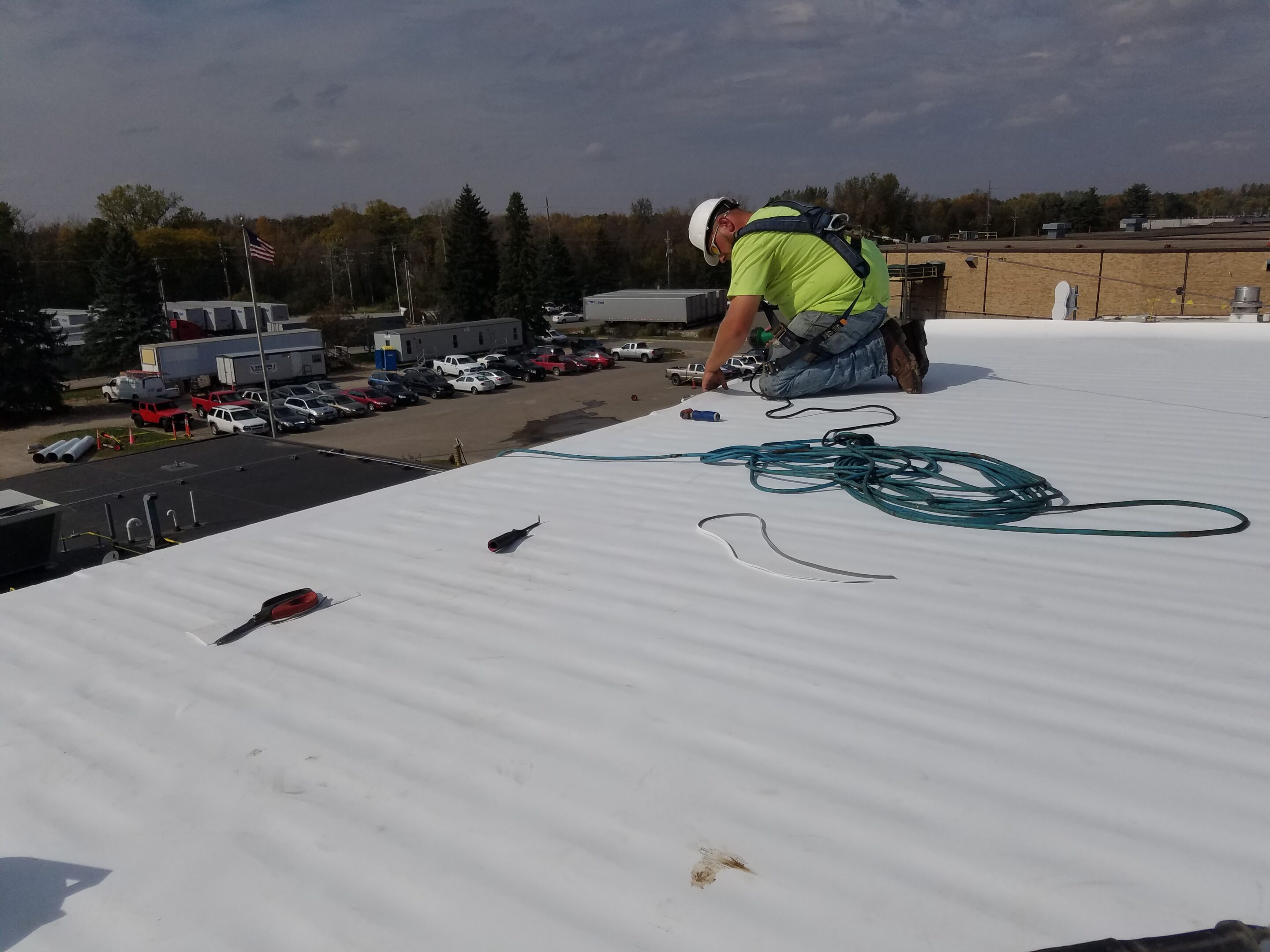
TPO roofing is a thermoplastic polyolefin membrane known for its white reflective surface and heat-welded seam technology. Its thermoplastic composition allows technicians to fuse new material to existing sheets quickly, forming a continuous barrier that stops leaks immediately. In emergency patches, heat-welded TPO can be applied within minutes under proper equipment, delivering a watertight seal that resists wind uplift and UV degradation. This rapid fusion minimizes downtime and maintains roof integrity until permanent restoration.
What Is EPDM Roofing and How Does It Handle Emergency Repair Situations?
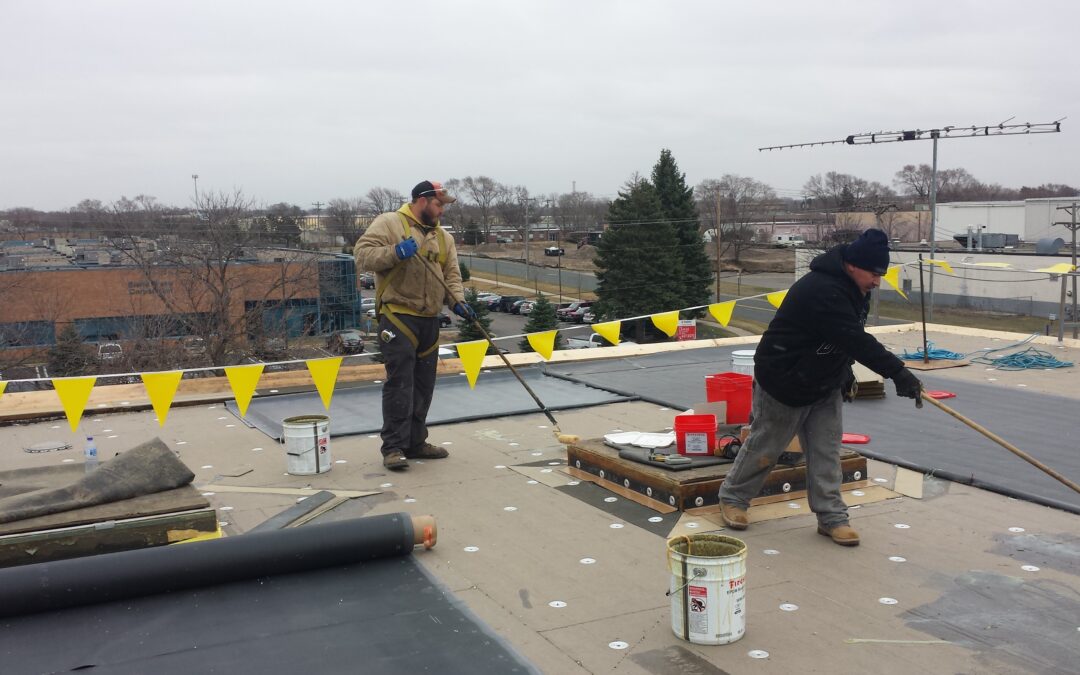
EPDM roofing is a synthetic rubber membrane prized for exceptional weather resistance and membrane flexibility. Emergency EPDM patches employ pre-fabricated rubber sheets and specialized adhesives to bond over punctures or splits. Adhesive cure times can range from 15 minutes for fast-set primers to 30–60 minutes for full bonding, depending on temperature and humidity. This patch method accommodates extreme cold shrinkage and expands under heat, offering versatile temporary fixes that hold until full repairs can be scheduled.
How Do TPO and EPDM Compare in Seam Types and Repair Compatibility?
Emergency seam repair compatibility varies by membrane:
- Heat-Welded Seams (TPO): Technicians use hot air welders to rejoin membrane edges or weld patch overlays, creating monolithic seams that match factory strength.
- Adhesive-Bonded Seams (EPDM): Repair crews apply specialized bonding adhesives and seam primers to adhere patch material, achieving flexibility in low temperatures.
Both methods enable on-the-spot fixes, but TPO welding demands power equipment while EPDM patching requires chemical cures, influencing crew preparation and repair timelines.
How Do Repair Speed and Ease Compare Between TPO and EPDM in Emergency Roof Repairs?
Rapid leak stoppage is vital in emergencies, and membrane selection dictates patch complexity and execution time. Emergency teams evaluate equipment availability, weather conditions, and material handling requirements to choose the most efficient fix. Understanding repair workflows for TPO and EPDM ensures minimal exposure to rains and storms.
Which Material Allows Faster Temporary and Permanent Emergency Repairs?
TPO allows faster permanent repairs when heat welding tools are on hand, sealing patches in 5–10 minutes after equipment setup. EPDM often achieves quicker temporary fixes using pre-cut rubber patches and cold-applied adhesives in under 15 minutes, but full adhesive cure may require up to an hour. For immediate water exclusion, crews might opt for EPDM patches; for lasting seams, TPO welding is preferred when conditions permit.
What Sealants and Patch Materials Are Compatible with TPO and EPDM?
Emergency teams rely on manufacturer-approved products to maintain membrane warranties.
- TPO Compatibility: Heat-welded TPO patches, solvent-based seam cleaners, and compatible sealant tapes.
- EPDM Compatibility: Polymer-based seam adhesives, butyl tapes, liquid rubber coatings, and EPDM patch sheets.
Using approved materials secures warranty compliance and ensures adhesion under temperature extremes.
How Do Repair Techniques Differ for Punctures and Leaks in TPO vs EPDM?
TPO puncture repair typically involves:
- Cleaning the area with approved solvent.
- Heating patch edges and membrane face for fusion.
- Welding patch into place and rolling seams to ensure bond.
- Cleaning with EPDM primer solution.
- Applying seam adhesive to membrane and patch underside.
- Pressing patch firmly and allowing adhesive to cure.
These methods reflect each membrane’s bonding mechanism and weather adaptability.
What Are the Cost Differences for Emergency Roof Repairs Using TPO vs EPDM?
Emergency repair budgets must account for material pricing, labor rates, and mobilization urgency. Comparing TPO and EPDM costs helps facility managers forecast expenses under 24/7 response scenarios. Both options involve premium rates for emergency dispatch, but material unit costs and crew specialization affect overall quotes.
How Do Material and Labor Costs Vary for TPO Emergency Repairs?
TPO repair material averages $6–$12 per square foot, influenced by membrane thickness and patch size. Certified welders command higher emergency labor rates, often $150–$250 per hour. Rapid deployment fees for 24/7 response add 20–30 percent premium to standard commercial repair rates.
What Influences EPDM Emergency Repair Costs in Commercial Roofing?
EPDM patch material runs $5–$10 per square foot, with adhesive primers adding incremental cost. Labor for adhesive application may be slightly lower per hour than welding crews, around $125–$200 per hour, but extended cure times can increase on-site hours, impacting total emergency bill.
What Is the Long-Term Cost Impact of Emergency Repairs on TPO and EPDM Roofs?
This cost–benefit table shows that TPO welds often reduce recurring maintenance, while EPDM adhesives demand more frequent inspection under thermal stress.
How Durable Are TPO and EPDM Roofs After Emergency Repairs in Midwest Weather Conditions?
Midwest weather extremes, from subzero freeze-thaw cycles to heavy snow loads, test emergency patch longevity. Post-repair performance hinges on membrane resilience and repair method compatibility with local climate demands.
How Do Freeze-Thaw Cycles and Snow Loads Affect TPO and EPDM Post-Repair?
TPO welded seams remain rigid and watertight under repeated freezing and thawing, resisting seam creep and patch separation. EPDM’s rubber elasticity accommodates contraction in cold weather and expands under heat, but adhesive bond lines can stiffen, risking seam gaps. Choosing the right method for local freeze-thaw patterns is essential for lasting durability.
The performance of roofing membranes can be significantly influenced by regional weather patterns.
Regional Weather Effects on TPO and EPDM Roofing Membrane Performance
Weather across the different regions in the country can variably influence the performance of roofing membranes, affecting the long-term stability and function of single ply roofing membranes, such as Thermoplastic polyolefin (TPO), Polyvinyl chloride (PVC), and Ethylene-propylene-diene monomer (EPDM).
What Is the Resistance of TPO and EPDM to Hail and Storm Damage After Repairs?
Storm resilience depends on proper seam restoration techniques that match manufacturer guidelines.
How Does Thermal Shock Influence Emergency Repair Longevity for Both Membranes?
TPO’s thermoplastic nature tolerates rapid temperature swings by flexing without seam separation, preserving weld integrity. EPDM can handle thermal shock through material elasticity, yet excessive temperature differentials may stress adhesive bonds. Understanding these thermal dynamics guides choice of membrane and repair method for Midwest roofs.
When considering UV and heat resistance, TPO performs comparably to EPDM.
TPO vs. EPDM: UV and Heat Resistance Comparison for Commercial Roofing
In other words, TPO is as UV- and heat-resistant as EPDM.
How Can Commercial Roof Warranties Be Maintained During Emergency TPO and EPDM Repairs?
Preserving existing membrane warranties during emergency fixes requires certified repair standards and meticulous documentation. Adhering to manufacturer repair protocols prevents voided coverage and unexpected expenses down the line.
What Are Manufacturer-Certified Repair Requirements for TPO and EPDM?
Both TPO and EPDM manufacturers mandate use of approved membranes, primers, adhesives, or welding equipment, coupled with trained application crews. Certified repair protocols specify temperature ranges, seam preparation, and quality checks to satisfy warranty clauses.
How Do Allweather Roof’s Certified Technicians Ensure Warranty Compliance?
Allweather Roof employs factory-certified technicians with decades of experience in emergency commercial roof repair. Their crews use manufacturer-approved equipment and materials, document each weld or adhesive application, and conduct post-repair inspections to uphold warranty conditions.
What Documentation Is Needed for Warranty Claims After Emergency Repairs?
Accurate repair logs, material data sheets, temperature and humidity readings, and photographic evidence of seam integrity form the foundation of warranty claims. Providing timely documentation to membrane manufacturers supports eligibility for future warranty coverage.
Why Is TPO or EPDM Considered the Best Single-Ply Roofing Material for Midwest Emergency Repairs?
Selecting the right single-ply membrane for urgent Midwest repairs balances energy performance, thermal adaptability, and cost-effective longevity. Both TPO and EPDM offer distinct advantages aligned with regional climate demands.
What Energy Efficiency Benefits Does TPO Offer in Emergency Repair Scenarios?
TPO’s reflective white surface lowers rooftop temperatures by up to 15 percent, reducing interior cooling loads immediately after patching. Rapid heat welding restores membrane reflectivity without introducing dark adhesive lines, preserving energy savings in summer months.
How Does EPDM’s Flexibility Benefit Cold Weather Emergency Repairs?
EPDM’s rubber composition remains pliable down to –40 °F, enabling crews to apply patches without membrane cracking. This elasticity ensures emergency sealant bonds remain continuous even under severe freeze-thaw stress, preventing leak recurrence as temperatures rebound.
Which Material Provides Better Long-Term Value for Midwest Commercial Roofs?
Long-term value emerges from comparing lifespan, maintenance frequency, and energy savings. TPO typically lasts 15–25 years with minimal patch upkeep after welded repairs, while EPDM can endure 20–30+ years but may require periodic seam re-sealing. Choosing between them depends on budget priorities and regional temperature extremes.
How Does Allweather Roof Handle 24/7 Emergency Repairs for TPO and EPDM Commercial Roofs?
Allweather Roof’s emergency repair service integrates rapid response, certified expertise, and free assessments to protect commercial assets day or night. Their process ensures immediate leak stoppage and compliance with manufacturer standards.
What Is the Step-by-Step Emergency Repair Process for TPO and EPDM Roofs?
Allweather Roof’s emergency workflow follows five key steps:
- Rapid site assessment to identify leak source and membrane type.
- Surface preparation using approved cleaners or primers.
- Application of TPO heat-welded patches or EPDM adhesive patches.
- Quality inspection and seam testing to verify water-tight integrity.
- Documentation of repair details and photographic records for warranty support.
This structured approach minimizes downtime and preserves warranty coverage.
How Do Certified Technicians Address Urgent Roof Damage to Protect Business Assets?
Certified technicians arrive equipped with power welding tools, approved sealants, and safety gear to secure damaged areas swiftly. Their expertise in single-ply membranes ensures repairs adhere to factory guidelines, preventing water intrusion that can damage inventory and disrupt operations.
How Can Property Managers Request a Free Commercial Roof Assessment During Emergencies?
Property managers can contact Allweather Roof’s dispatch team at any hour to schedule a free commercial roof assessment. Early evaluation identifies membrane type and damage extent, enabling technicians to prepare appropriate TPO or EPDM repair kits before arriving on site.
Immediate expert response and reliable repair methods ensure minimal business interruption and long-term roof performance.
Allweather Roof’s 24/7 emergency commercial roof repair service combines certified expertise with rapid single-ply membrane solutions, giving Midwest facility managers confidence that urgent TPO or EPDM repairs will protect assets and maintain warranty coverage. Request a free assessment today to safeguard your flat roof and business operations.