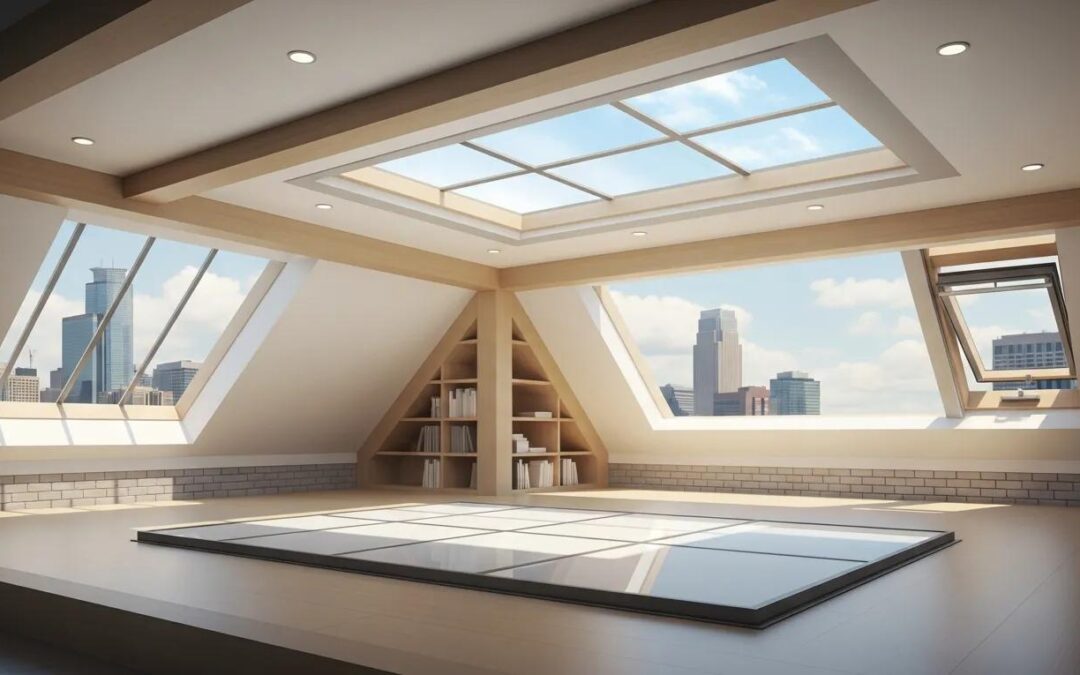
Expert Commercial Skylight Services in Minneapolis
Commercial skylights can reduce lighting energy costs by up to 70 percent during daylight hours while enhancing occupant well-being. Selecting the best skylight contractors in Minneapolis means finding specialists who balance structural expertise, waterproofing precision, and energy‐efficient design. This article guides commercial building owners, property managers, architects, contractors, and consultants through seven key areas: why top contractors matter, available skylight types, core benefits, repair and maintenance practices, installation processes, contractor selection criteria, and knowing when to replace existing units. By the end, readers will understand how to partner with experts—such as Allweather Roof—to achieve leak-free, durable, and value-boosting commercial skylight systems.
Why Choose the Best Commercial Skylight Contractors in Minneapolis?
Choosing a top commercial skylight contractor means engaging professionals who combine structural knowledge, manufacturer compliance, and regional climate adaptation to deliver reliable installations. Experts define system integration by coordinating curb installation, flashing, and sealant application in a sequence that prevents water intrusion and accommodates thermal movement. The result is a leak-proof daylighting solution that enhances energy savings, prolongs roof integrity, and minimizes lifecycle maintenance. Core differentiators include local weather expertise, adherence to building codes, and proven quality-control protocols that guarantee performance in Minneapolis’s freeze-thaw cycles.
Before evaluating specific providers, consider these critical attributes:
- Precise adherence to manufacturer guidelines for flashing and sealing
- Demonstrated experience with commercial roofing membranes and curb systems
- Quality assurance processes including water-test simulations
Selecting contractors with these capabilities creates a foundation for durable installations and supports the themes of expertise, types, benefits, and maintenance explored in the sections that follow.
What Makes a Skylight Contractor Expert in Commercial Installations?
Expert commercial skylight installers combine specialized training, in‐depth manufacturer certifications, and a track record of complex project execution. They understand load‐bearing curb construction, seamless integration with single‐ply and built‐up roofing systems, and the critical staging of flashing, underlayment, and sealants. This structured approach ensures skylight units remain waterproof and thermally stable under heavy snow loads and temperature swings. For example, expert crews calibrate curb heights and embed flashings into membrane laps, creating a continuous barrier that resists ponding water and wind-driven rain. Such technical mastery reduces future repair needs and supports long-term energy efficiency.
How Do Minneapolis Contractors Ensure Leak-Free Skylight Installations?
Leak-free installations begin with an accurate curb framing process that aligns skylight units flush with the roof plane. Contractors then apply high-performance flashing composed of flexible membrane materials heat-welded or mechanically fastened to existing roofing. Industry-approved sealants complete the envelope by accommodating structural movement and preventing moisture migration. In Minneapolis, fluctuating winter temperatures demand sealants with exceptional elasticity and roofs with reinforced underlayment. Thorough inspections—including simulated water tests—validate the continuous waterproof barrier, ensuring interior spaces remain dry and insulation performance is preserved.
What Unique Benefits Do Local Contractors Like Allweather Roof Offer?
Local experts such as Allweather Roof deliver advantages rooted in regional know-how and community commitment. Their teams tailor every project to Minneapolis’s climate challenges, accounting for snow load, ice dam risks, and thermal cycling. By coupling commercial skylight installation with comprehensive roof maintenance, Allweather Roof creates integrated service plans that extend the lifespan of both skylights and roofing assemblies. Personalized communication and rapid on-site assessments reinforce quality craftsmanship and customer focus, ensuring each daylighting solution aligns with operational goals and aesthetic standards.
What Types of Commercial Skylights Are Available in Minneapolis?
Commercial skylights range from curb-mounted units designed for flat roofs to advanced tubular daylighting devices that channel light into interior spaces. Each type offers unique advantages in terms of installation complexity, daylighting performance, and energy-savings potential. Understanding these options helps decision-makers select systems that meet architectural requirements and operational budgets. The following overview introduces common commercial skylight types suited for Minneapolis buildings.
How Do Curb-Mounted Skylights Suit Commercial Flat Roofs?
Curb-mounted skylights install on raised, insulated frames that protect against ponding and thermal bridging. The curb elevates the glazing above standing water, while integrated flashing systems connect seamlessly to flat roofing membranes. This architecture prevents leaks by keeping the glazing assembly clear of debris-filled water. For example, curb heights are engineered to match roofing insulation depths, optimizing thermal performance and structural alignment. As a result, these skylights deliver reliable daylighting without compromising roof integrity.
What Are the Advantages of Dome, Tunnel, and Pyramid Skylights?
Dome skylights feature impact-resistant polymer caps that shed snow and hail, reducing maintenance and weather-related damage. Tunnel units use reflective tubes to transmit daylight deep into interior zones, cutting artificial lighting needs in corridors and restrooms. Pyramid skylights combine architectural flair with high daylight transmittance, creating striking visual focal points in lobbies and showrooms. Together, these designs enhance natural illumination, support energy reduction goals, and accommodate varied commercial layouts.
Which Skylight Materials and Glazing Options Are Best for Commercial Buildings?
Commercial skylights typically use polycarbonate or insulated glass glazing. Polycarbonate panels offer shatter resistance and lightweight handling, while insulated glass units provide superior thermal performance and acoustic damping. Advanced low-E coatings on glazing reduce solar heat gain coefficient, improving HVAC efficiency. Sealed-unit construction prevents condensation and maximizes daylight transmittance. Material selection balances durability, energy savings, and aesthetic integration to meet diverse commercial building requirements.
What Are the Key Benefits of Installing Commercial Skylights in Minneapolis?
Installing commercial skylights delivers a combination of energy savings, occupant well-being, and property value enhancement. Skylights replace a significant portion of artificial lighting with natural daylight, cutting electricity consumption and lowering operating costs. In office environments, increased daylight exposure boosts productivity and reduces eyestrain. Well-lit retail spaces become more inviting, encouraging longer customer dwell times. These benefits work in tandem to support sustainability initiatives and strengthen a building’s market competitiveness.
How Do Skylights Improve Energy Efficiency and Reduce Operating Costs?
Skylights reduce reliance on electric lighting by introducing daylight into core workspace areas. Natural illumination can replace up to 70 percent of artificial light usage during peak daylight hours. This reduction directly lowers kilowatt-hour consumption and eases HVAC loads by minimizing internal heat gain from lighting fixtures. Incorporating low-E glazing and automated shading further optimizes performance, maintaining interior comfort and reducing annual energy expenditures.
In What Ways Do Skylights Enhance Natural Light and Occupant Well-being?
Exposure to natural light regulates circadian rhythms, improving focus, mood, and overall health. Studies show that employees working under skylights experience less eyestrain, fewer headaches, and a 15 percent increase in productivity. Daylight-rich environments also foster creativity and reduce absenteeism. By simulating outdoor light cycles, skylights contribute to occupant satisfaction and well-being.
How Can Skylights Increase Property Value and Support Green Building Certifications?
Skylight installations elevate a building’s aesthetic appeal and demonstrate commitment to sustainability. Enhanced daylighting contributes valuable points toward LEED and other green building certification programs. Increased property value stems from reduced operating costs, improved tenant satisfaction, and marketing advantages tied to eco-friendly features. Investors and occupants alike recognize daylight systems as high-ROI improvements.
How Do Top Minneapolis Skylight Contractors Handle Repair and Maintenance?
Effective repair and maintenance practices extend skylight service life and protect commercial interiors from damage. Contractors perform regular inspections, identify common failure points, and implement corrective measures to maintain system integrity. Preventative maintenance plans reduce emergency repairs and ensure optimal daylighting performance.
What Are Common Commercial Skylight Problems and How Are They Fixed?
Common issues include flashing failures, sealant degradation, condensation buildup, and lens scratching. Flashing repairs involve re-flashing curb junctions and reinforcing membrane overlaps. Failing sealants are replaced with flexible, UV-resistant compounds. Condensation control may require ventilation enhancements or insulation adjustments. Polished or scratched domes can be buffed or swapped out with new panels, restoring light transmittance.
How Often Should Commercial Skylights Be Maintained for Longevity?
Annual inspections are recommended to detect early signs of seal or flashing deterioration before leaks occur. In harsher climates like Minneapolis, biannual reviews—pre-winter and post-winter—help address freeze-thaw damage. These schedules align with roofing maintenance plans, ensuring coordinated upkeep of skylights and surrounding roof areas.
What Repair Services Do Minneapolis Skylight Companies Offer?
Routine services include sealant renewal, flashing reinforcement, glazing replacement, hardware lubrication, and debris removal. Contractors also provide emergency leak response and perform water-test diagnostics to confirm repairs. Comprehensive service agreements bundle these tasks into preventative maintenance plans that protect roof assemblies and daylighting systems alike.
What Is the Commercial Skylight Installation Process in Minneapolis?
The installation process follows a systematic path from site evaluation to final commissioning. Through structured planning, contractors ensure compliance with manufacturer guidelines and local building codes while optimizing project timelines.
How Do Contractors Assess and Plan Skylight Installations?
Assessment begins with a site survey to document roof construction, structural support capacity, and existing membrane condition. Contractors review architectural drawings, confirm daylighting goals, and select appropriate skylight types. Load calculations ensure curb framing meets code-required snow loads. This planning phase establishes the scope, materials list, and resource schedule.
What Are the Key Steps for Leak-Proof Skylight Installation?
Leak-proof installation follows three core steps: precise curb framing, integrated flashing application, and final sealant execution. Framing aligns the skylight with roofing insulation height. Flashing systems attach mechanically or via heat welding to the roof membrane. Sealant beads around perimeter joints close any potential gaps, creating a continuous moisture barrier. Quality inspections and water tests validate the process.
How Is Project Management Handled for Commercial Skylight Projects?
Project managers coordinate subcontractors, material deliveries, and quality control checkpoints. Timelines account for weather-sensitive tasks, such as flashing adhesion during optimal temperature windows. Regular site meetings update stakeholders on progress, while post-installation inspections confirm performance. Clear communication and documentation maintain schedule adherence and client satisfaction.
How Can Minneapolis Businesses Choose the Right Skylight Contractor?
Selecting the right contractor involves targeted inquiries, social proof evaluation, and leveraging local resources. Thoughtful vetting ensures partnerships with capable providers who deliver on performance and service.
What Questions Should You Ask Potential Skylight Contractors?
Key questions cover certifications, manufacturer partnerships, warranty terms, project timelines, and maintenance offerings. Inquire about prior commercial projects, leak-prevention protocols, and emergency response capabilities. Understanding these factors reveals a contractor’s depth of expertise and commitment to quality outcomes.
How Do Customer Testimonials and Case Studies Influence Contractor Selection?
Testimonials and case studies illustrate real-world project results, highlighting problem-solving skills and craftsmanship. Evidence of successful installations under local conditions builds trust. Detailed case studies—including performance metrics like energy savings and leak-proof outcomes—reinforce a contractor’s domain authority.
Where Can You Find Reliable Commercial Skylight Contractors in Minneapolis?
Reliable contractor referrals come from industry networks, local building owner associations, and trade publications. Reviewing accredited local business listings and attending roofing contractor events can uncover qualified providers. Engaging peers in similar projects yields firsthand insights into contractor performance.
When Is It Time for Commercial Skylight Replacement in Minneapolis?
Commercial skylights require replacement when performance degrades, leading to energy inefficiency and potential water damage. Recognizing replacement triggers supports proactive upgrades that enhance building value.
What Are the Signs That Your Skylight Needs Replacement?
Visible cracks or crazing in glazing panels, persistent leaks despite seal repairs, condensation between glass panes, and degraded sealants indicate need for replacement. A decline in daylight transmittance or elevated energy bills also signals efficiency loss. Ignoring these signs risks structural damage and occupant discomfort.
How Do Energy-Efficient Skylight Upgrades Benefit Commercial Buildings?
Upgrading to modern insulated glazing with low-E coatings and thermal breaks enhances U-factor performance and minimizes solar heat gain. Energy-efficient skylights lower heating and cooling demands, reduce carbon footprints, and improve interior comfort. These improvements translate to lower utility costs and support sustainability goals.
What Is the Cost-Effectiveness of Replacing Old Skylights?
While replacement entails upfront investment, long-term returns include reduced maintenance costs, energy savings, and increased tenant satisfaction. Upgraded skylights contribute to higher property valuation and may qualify for green building incentives. Calculating life-cycle costs against projected energy reductions often reveals favorable payback periods within five to seven years.
Commercial skylights represent a strategic asset for Minneapolis commercial properties, delivering energy savings, occupant well-being, and enhanced building valuation. Partnering with expert contractors—such as Allweather Roof—ensures every installation, repair, and replacement adheres to precision standards and regional climate demands. By understanding types, benefits, maintenance practices, installation processes, selection criteria, and replacement indicators, decision-makers can confidently invest in daylighting solutions that outperform conventional roofing features. Reach out today to explore how specialized commercial skylight systems can transform both the function and marketability of your building.
Frequently Asked Questions
What factors should I consider when choosing a commercial skylight contractor?
When selecting a commercial skylight contractor, consider their experience with similar projects, adherence to local building codes, and customer reviews. It’s essential to evaluate their technical expertise in waterproofing and energy-efficient designs. Additionally, inquire about their warranty offerings and maintenance services. A contractor’s familiarity with Minneapolis’s unique climate challenges can also be a significant advantage, ensuring that installations are durable and effective in preventing leaks and energy loss.
How can I ensure my skylight installation meets energy efficiency standards?
To ensure your skylight installation meets energy efficiency standards, choose products with low-E glazing and thermal breaks that minimize heat transfer. Work with contractors who are knowledgeable about energy codes and can perform energy modeling to predict performance. Additionally, consider integrating automated shading systems to control light and heat gain. Regular maintenance and inspections will also help maintain the efficiency of your skylights over time, ensuring they continue to perform optimally.
What maintenance practices can extend the life of commercial skylights?
To extend the life of commercial skylights, implement a regular maintenance schedule that includes inspections for sealant integrity, flashing condition, and glazing clarity. Cleaning the skylight surfaces to remove debris and checking for signs of wear or damage are crucial. Additionally, addressing minor repairs promptly can prevent more significant issues. Collaborating with a contractor for biannual maintenance checks, especially before and after harsh weather seasons, can significantly enhance the longevity of your skylights.
Are there specific building codes for skylight installations in Minneapolis?
Yes, Minneapolis has specific building codes that govern skylight installations, focusing on structural integrity, energy efficiency, and safety. These codes ensure that skylights can withstand local weather conditions, including snow loads and wind pressures. It’s essential to work with contractors familiar with these regulations to ensure compliance. They will help navigate the permitting process and ensure that all installations meet the necessary standards for safety and performance.
What are the potential risks of not maintaining commercial skylights?
Neglecting the maintenance of commercial skylights can lead to several risks, including water leaks, energy inefficiency, and structural damage. Over time, failing seals and flashing can allow moisture to penetrate, causing interior damage and mold growth. Additionally, reduced daylighting can lead to increased reliance on artificial lighting, raising energy costs. Regular maintenance helps identify and address these issues early, preserving the integrity of both the skylights and the building structure.
How do skylights contribute to sustainability in commercial buildings?
Skylights contribute to sustainability in commercial buildings by reducing reliance on artificial lighting, which lowers energy consumption and greenhouse gas emissions. They enhance natural daylighting, improving occupant well-being and productivity while minimizing the need for electric lighting. Furthermore, energy-efficient skylights can qualify for green building certifications, adding value to the property. By integrating skylights into building designs, owners can support sustainability initiatives and create healthier work environments.
What are the cost implications of installing commercial skylights?
The cost implications of installing commercial skylights can vary based on factors such as size, type, and installation complexity. While the initial investment may be significant, the long-term benefits include reduced energy costs and increased property value. Additionally, energy-efficient skylights can lead to lower utility bills and may qualify for tax incentives or rebates. It’s essential to conduct a cost-benefit analysis to understand the potential return on investment over time.
Investing in commercial skylights not only enhances energy efficiency but also significantly improves occupant well-being and boosts property value. By partnering with experienced contractors like Allweather Roof, you ensure that your skylight installations are executed with precision and tailored to Minneapolis’s unique climate. Understanding the various types and benefits of skylights empowers you to make informed decisions that align with your operational goals. Contact us today to discover how our expert solutions can transform your commercial space.