
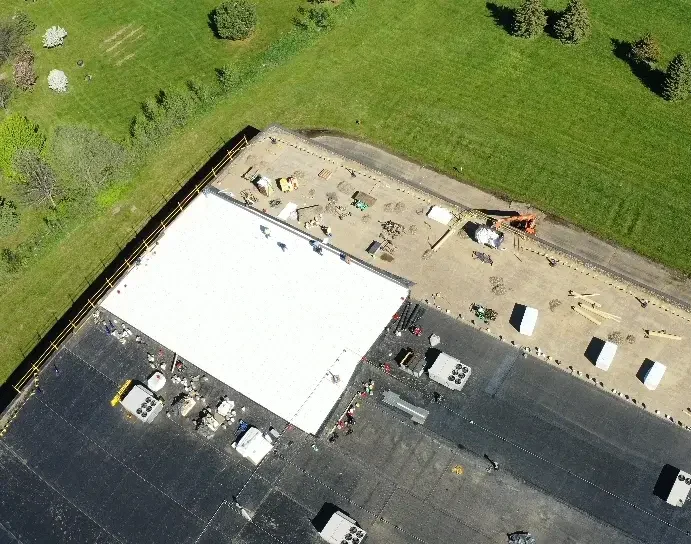
Commercial Roof Replacement In Minnesota: Why August And Fall Are The Best Time To Reroof Before Winter
A Complete Guide For Minnesota Commercial Building Owners, Property Managers, And Facility Managers
If you own or manage a commercial building in Minnesota, August is one of the most important months to evaluate your roof. Late summer is the ideal time to schedule a commercial roof inspection, budget for a roof replacement, and complete a reroofing project before snow, ice, and freeze-thaw cycles arrive.
Every year, Minnesota commercial property owners search for answers about commercial roof replacement in Minnesota, flat roof replacement before winter, TPO roof replacement, and commercial roofing contractors in Minnesota. The reason is simple: waiting until October or November often means higher scheduling pressure, weather delays, and a greater risk of emergency roof repairs during winter.
At Allweather Roof, we have helped Minnesota commercial facilities, warehouses, office buildings, retail centers, schools, healthcare properties, and industrial buildings protect their assets since 1925. Our manufacturer-certified commercial reroofing systems are designed specifically for Minnesota’s demanding climate and backed by warranty-protected workmanship and 24/7 emergency response.
Why August Is The Best Time For Commercial Roof Replacement In Minnesota
For commercial property owners, August is not just another summer month. It is the beginning of winter preparation season.
Roofing contractors across Minnesota typically experience increased demand during late summer and early fall because building owners want to complete projects before snow accumulation, ice formation, and freezing temperatures affect installation schedules. Membrane roofing systems generally perform best when installed during more consistent weather conditions, making August and September ideal months for commercial reroofing projects.
Scheduling a commercial roof replacement in August offers several advantages:
- Better installation conditions
- More consistent membrane adhesion
- Fewer weather delays
- Easier drainage improvements
- Better contractor availability
- Protection before winter weather arrives
For property managers planning Q4 budgets, replacing an aging roof now can prevent emergency expenses later in the year.
Why Minnesota Commercial Roofs Fail Faster Than Expected
Minnesota commercial roofs experience some of the harshest weather conditions in the United States. A roof may endure intense summer heat, severe thunderstorms, hail, heavy snowfall, ice accumulation, and repeated freeze-thaw cycles within a single year.
Those conditions accelerate wear on flat and low-slope roofing systems.
The most common causes of premature commercial roof failure include:
- Freeze-thaw cycling
- Ponding water
- Summer storm damage
- Hail impacts
- UV exposure
- Aging TPO, EPDM, Or PVC membranes
- Failed flashing
- Drainage problems
- Wet insulation
Many commercial roofs begin showing signs of failure long before leaks become visible inside the building.
How Freeze-Thaw Cycles Damage Commercial Roofing Systems
One of the biggest threats to a Minnesota commercial roof is freeze-thaw cycling.
Moisture enters small openings around seams, flashing, penetrations, and membrane laps. When temperatures drop, that moisture freezes and expands. As temperatures rise, it melts and contracts.
This process repeats repeatedly throughout winter and early spring.
Over time, freeze-thaw cycles can:
- Separate membrane seams
- Crack flashing materials
- Loosen fasteners
- Damage insulation
- Create hidden moisture intrusion
- Accelerate roof deterioration
A roof that survives summer storms may still experience significant damage during the first months of winter if existing vulnerabilities are not repaired or replaced beforehand.
What Minnesota Building Owners Should Inspect In August
August is the ideal time for a commercial roof inspection because summer weather has already revealed many roofing problems.
After thunderstorms, heavy rainfall, and temperature extremes, facility managers should inspect for:
- Ponding water
- Open membrane seams
- Cracked flashing
- Blistering roofing material
- Soft or wet insulation
- Drainage blockages
- Roof edge deterioration
- HVAC penetration leaks
- Previous repair failures
A professional commercial roof inspection can identify whether a roof needs repairs, restoration, or complete replacement before winter arrives.
Why Fall Commercial Roof Replacement Projects Fill Up Quickly
One of the biggest reasons to schedule a commercial roof replacement in August is contractor availability.
As September approaches, commercial property owners across Minnesota begin preparing for winter. That creates increased demand for roof inspections, maintenance, reroofing projects, and emergency repairs.
Experienced commercial roofing contractors often have fuller schedules during September and October, especially for larger warehouse, industrial, healthcare, and multi-building projects.
Waiting too long can result in:
- Longer scheduling delays
- Limited material availability
- Increased weather interruptions
- Compressed construction timelines
- Higher emergency repair costs
Planning ahead gives facility managers more flexibility and allows roofing work to be completed before winter weather creates additional risks.
Signs Your Commercial Building Needs Reroofing
One of the most expensive mistakes commercial property owners make is waiting for an active leak before considering roof replacement.
Common warning signs include:
- Roof age over 15–25 years
- Frequent repair calls
- Recurring leaks
- Standing water
- Rising energy costs
- Interior ceiling stains
- Wet insulation
- Storm damage
- Multiple roof patches
- Visible membrane deterioration
If your building has required repeated repairs over the past several years, a commercial reroofing evaluation may be the most cost-effective long-term solution.
What Affects Commercial Roof Replacement Cost In Minnesota?
Commercial roof replacement cost depends on several factors beyond square footage.
Roof System Type
Common Minnesota commercial roofing systems include:
- TPO roofing
- EPDM roofing
- PVC roofing
- Modified bitumen
- Built-up roofing (BUR)
Building Size And Complexity
Large warehouses, manufacturing facilities, office buildings, and retail centers all present different labor and installation requirements.
Existing Roof Condition
Costs may increase if the project requires:
- Wet insulation removal
- Deck replacement
- Drainage improvements
- Structural repairs
- Additional insulation
- Code-required upgrades
Energy Efficiency Improvements
Many Minnesota commercial roof replacement projects include insulation upgrades that reduce heating costs during winter and cooling costs during summer.
Why Waiting Until Fall Can Cost More
Many commercial property owners postpone roof replacement until October or November.
Unfortunately, that is often when contractor schedules become more crowded and weather becomes less predictable.
Delaying a commercial roof replacement can result in:
- Emergency leak repairs
- Interior water damage
- Mold remediation
- Tenant disruptions
- Equipment damage
- Inventory loss
- Higher winter repair costs
- Limited contractor availability
A planned August reroofing project is usually less disruptive and easier to budget than an emergency winter replacement.
How Commercial Roof Replacement Protects Your Winter Budget
For Minnesota facility managers, a commercial roof replacement is often a capital planning decision.
Replacing an aging roof before winter can help:
- Reduce emergency maintenance expenses
- Protect tenant spaces
- Prevent interior water damage
- Improve energy efficiency
- Extend building life
- Preserve asset value
- Reduce insurance-related claims
A proactive roof replacement strategy is almost always less expensive than responding to a major winter roof failure.
Why Minnesota Commercial Property Managers Choose Allweather Roof
For more than a century, Allweather Roof has provided commercial roofing services across Minnesota, helping building owners protect facilities from severe weather, aging roofing systems, and costly water damage.
Our commercial reroofing services include:
- Commercial roof replacement
- Flat roof replacement
- TPO reroofing
- EPDM reroofing
- PVC roofing systems
- Commercial roof inspections
- Preventive maintenance
- Emergency commercial roof repair
- Storm damage response
- Manufacturer-certified warranty systems
Our experience with Minnesota’s climate allows us to recommend roofing systems that perform under heavy snow loads, freeze-thaw cycles, and long-term weather exposure.
Frequently Asked Questions
When Should I Replace A Commercial Roof In Minnesota?
August through early October is generally the best time for commercial roof replacement in Minnesota because weather conditions are more favorable and projects can be completed before snow and freezing temperatures arrive.
How Long Does A Commercial Roof Replacement Take?
Most commercial reroofing projects take several days to several weeks depending on building size, roof complexity, weather conditions, and whether insulation or deck replacement is required.
What Is The Best Commercial Roofing System For Minnesota?
TPO roofing is one of the most popular commercial roofing systems in Minnesota because it offers energy efficiency, strong seam performance, and excellent durability for flat and low-slope roofs.
Should I Replace My Roof Before Winter?
Yes. If your commercial roof is nearing the end of its service life, has recurring leaks, ponding water, or significant membrane deterioration, replacing it before winter can prevent emergency repairs and interior water damage.
How Often Should A Commercial Roof Be Inspected?
Commercial roofs should be professionally inspected at least twice per year, typically in the spring and late summer or early fall, and after major hail or wind events.
Conclusion
For Minnesota commercial building owners, August is the window of opportunity before winter roofing problems become expensive emergencies. A professional commercial roof inspection can identify hidden moisture damage, drainage issues, and aging roofing components while there is still time to complete a planned replacement under favorable weather conditions.
If your commercial building is showing signs of roof deterioration, recurring leaks, or approaching the end of its service life, Allweather Roof can provide a comprehensive roof assessment and manufacturer-certified commercial reroofing recommendation tailored to your property, timeline, and budget.
Scheduling a commercial roof replacement before winter is one of the smartest investments a Minnesota property owner can make to protect operations, tenants, and long-term building value.