
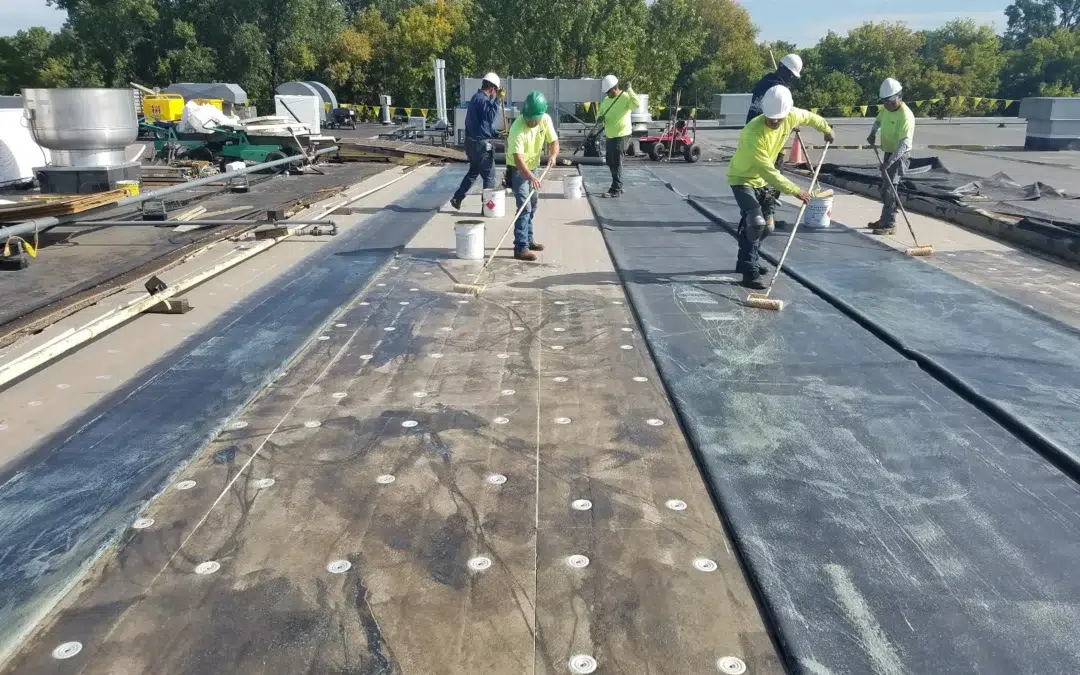
What Is The Best Commercial Roofing System For Minnesota Weather?
Why TPO Roofing Is A Strong Choice For Minnesota’s Extreme Seasonal Conditions
Minnesota commercial buildings have to deal with some of the most demanding weather conditions in the country. From hot, sunny summers and severe thunderstorms to freezing temperatures, heavy snow, and ice, your commercial roof needs to perform through every season.
So, what is the best commercial roofing system for Minnesota weather?
While the right roofing system depends on the building, budget, and specific property needs, TPO roofing is one of the strongest options for many Minnesota commercial buildings.
TPO combines durability, energy efficiency, weather resistance, and versatility, making it a popular choice for commercial flat and low-slope roofs.
And with summer coming to an end, now is a great time for Minnesota property owners to start thinking about the condition of their current roof and whether it is prepared for the months ahead.
Why Minnesota Weather Is Tough On Commercial Roofs
A commercial roof in Minnesota doesn’t have to deal with just one type of extreme weather.
During the summer, roofs can be exposed to:
- Intense UV exposure
- High temperatures
- Heavy rain
- Hail
- Strong winds
- Severe thunderstorms
As fall and winter arrive, the conditions change dramatically. Freezing temperatures, snow, ice, and repeated freeze-thaw cycles can put additional stress on roofing materials and vulnerable areas.
These constant changes make durability and proper installation especially important when choosing a commercial roofing system in Minnesota.
A roof that performs well in one climate isn’t automatically the best choice for a Minnesota commercial property.
What Should You Look For In A Minnesota Commercial Roof?
When comparing commercial roofing systems, property owners should look beyond the initial installation price.
A good commercial roofing system should provide:
Durability
Your roof is a long-term investment. It needs to withstand years of exposure to Minnesota’s changing weather conditions.
Weather Resistance
The roofing membrane should provide reliable protection against rain, snow, ice, and wind.
UV Resistance
Summer sunlight can gradually deteriorate roofing materials. A roof designed to withstand UV exposure can help protect the system over the long term.
Energy Efficiency
A reflective roofing system can help reduce heat absorption during Minnesota’s warmer months, potentially supporting lower cooling demands.
Reliable Seams And Flashing
Seams, roof edges, penetrations, and flashing are some of the areas most vulnerable to water intrusion. Proper materials and professional installation are essential.
Long-Term Value
The cheapest roof upfront isn’t necessarily the least expensive roof over its lifetime. Maintenance, repairs, energy performance, and expected service life should all be considered.
Why TPO Roofing Is A Strong Choice For Minnesota
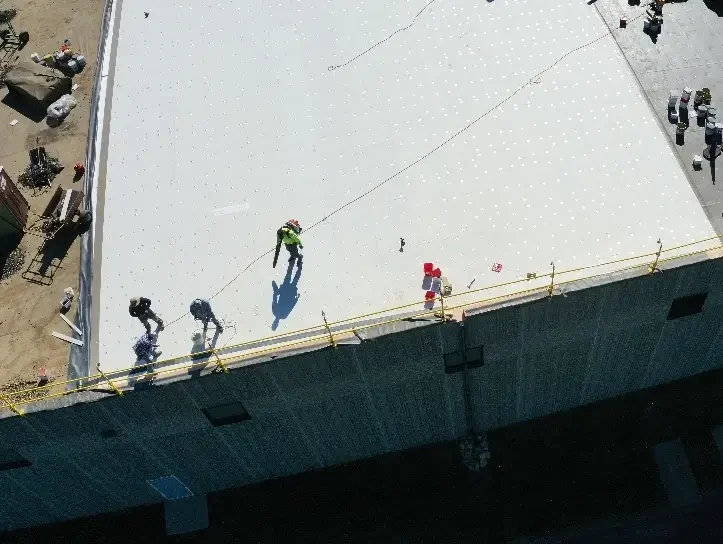
TPO, or thermoplastic polyolefin, is a single-ply roofing membrane commonly used on commercial flat and low-slope roofs.
One of its biggest advantages for Minnesota buildings is its combination of weather resistance and energy efficiency.
Many TPO membranes have reflective surfaces designed to reflect sunlight and reduce heat absorption during warmer weather.
TPO also uses heat-welded seams. When properly installed, these seams create strong connections between membrane sections and help create a watertight roofing system.
For Minnesota businesses, that combination can make TPO an attractive choice for handling both summer heat and the precipitation that comes with Minnesota’s changing seasons.
TPO Roofing And Minnesota Winters
Minnesota winters can be particularly hard on commercial roofing systems.
Snow accumulation, ice, freezing temperatures, and freeze-thaw cycles can expose weaknesses in an aging or poorly maintained roof.
A properly designed and installed TPO system can provide a durable layer of protection over a commercial building.
However, no roofing material is completely maintenance-free.
Before winter, commercial property owners should have their roofs inspected for:
- Damaged membrane
- Open or damaged seams
- Deteriorated flashing
- Blocked drains
- Ponding water
- Damaged roof penetrations
- Previous repair failures
- Summer storm damage
Identifying these issues before winter gives property owners an opportunity to address them before freezing temperatures and snow make roofing work more difficult.
TPO Vs. EPDM Vs. PVC
TPO isn’t the only commercial roofing option available to Minnesota property owners.
EPDM and PVC are also commonly used on commercial buildings.
Here’s a quick comparison:
| Roofing System | Key Benefits | Best Consideration |
|---|---|---|
| TPO | Reflective, energy-efficient, heat-welded seams | Excellent option for many commercial buildings |
| EPDM | Flexible, durable, proven roofing material | Good option for many low-slope applications |
| PVC | Reflective and heat-welded | Useful for specialized commercial applications |
The best choice ultimately depends on the building.
A warehouse, office building, retail property, and manufacturing facility may all have different roofing requirements.
That is why an experienced commercial roofing contractor should evaluate the property before recommending a specific system.
Installation Matters As Much As The Roofing Material
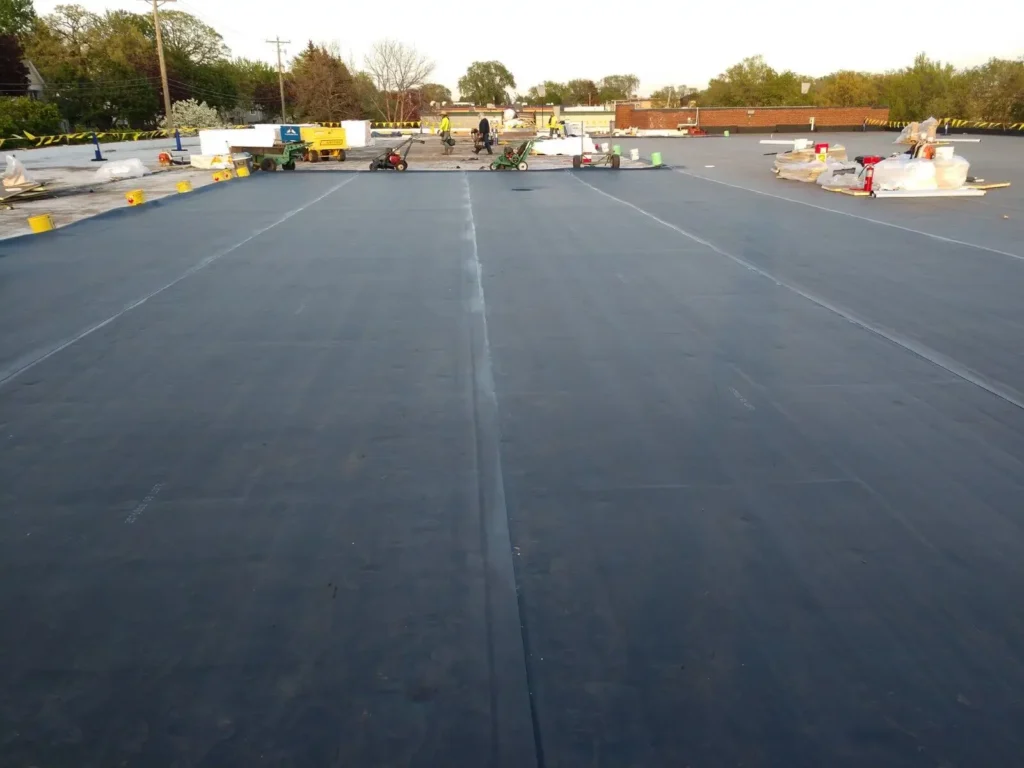
Even the best commercial roofing membrane can perform poorly if it is installed incorrectly.
Commercial roofing systems involve much more than the membrane itself.
Proper installation includes attention to:
- Seams
- Flashing
- Roof edges
- Drainage
- Penetrations
- Insulation
- Rooftop equipment
- Attachment methods
Poor workmanship can create problems that may eventually result in leaks, moisture intrusion, or premature roof deterioration.
For Minnesota property owners, choosing an experienced commercial roofing contractor is just as important as choosing the right roofing material.
Don’t Forget About Roof Drainage
Minnesota’s heavy rain and snowfall make proper drainage particularly important.
Flat and low-slope commercial roofs are designed to direct water toward drains, scuppers, and other drainage systems.
If those systems become blocked or don’t function properly, water can begin collecting on the roof.
Ponding water can contribute to premature roofing deterioration and create additional problems when temperatures drop and the water freezes.
As part of your commercial roof maintenance, drains and drainage systems should be inspected and kept clear of debris.
Is It Time To Replace Your Commercial Roof?
If you’re considering a new commercial roofing system, late summer and early fall can be a smart time to evaluate your options.
Look for warning signs such as:
- Frequent leaks
- Repeated repairs
- Damaged or deteriorating membrane
- Widespread ponding water
- Failing flashing
- Visible seam problems
- Significant storm damage
- An aging roofing system
Not every roofing problem requires replacement.
In some cases, professional repairs and preventative maintenance can extend the life of an existing roof.
But if your roof is approaching the end of its service life, planning a replacement before a major winter problem occurs can give you more options and better control over the project.
Why Now Is A Good Time To Think About Your Commercial Roof
With August coming to an end, Minnesota businesses are entering the transition from summer storms to fall and winter weather.
That makes now an excellent time to evaluate your commercial roof.
A professional inspection can help you determine whether your existing roof needs:
- Minor repairs
- Preventative maintenance
- Storm damage repairs
- Additional monitoring
- Or a complete roof replacement
If replacement is necessary, you can also compare roofing systems and determine whether TPO is the right choice for your building.
Planning ahead is almost always preferable to discovering a major roofing problem during a Minnesota winter.
Choose A Commercial Roof Built For Minnesota
So, what is the best commercial roofing system for Minnesota weather?
For many commercial properties, TPO roofing is an excellent option.
Its reflective surface, heat-welded seams, durability, and versatility make it well suited to many commercial buildings facing Minnesota’s changing seasonal conditions.
But the right roofing system ultimately depends on your specific property.
At Allweather Roof, we help Minnesota commercial property owners evaluate their roofing needs and determine the right solution for their buildings.
Whether you need a commercial roof inspection, repair, maintenance, or replacement, our team can help you understand your options and prepare your property for Minnesota weather.
Don’t wait for the first major winter storm to discover a problem with your commercial roof.
Contact Allweather Roof today to discuss your commercial roofing needs and find out whether TPO or another roofing system is right for your Minnesota property.