
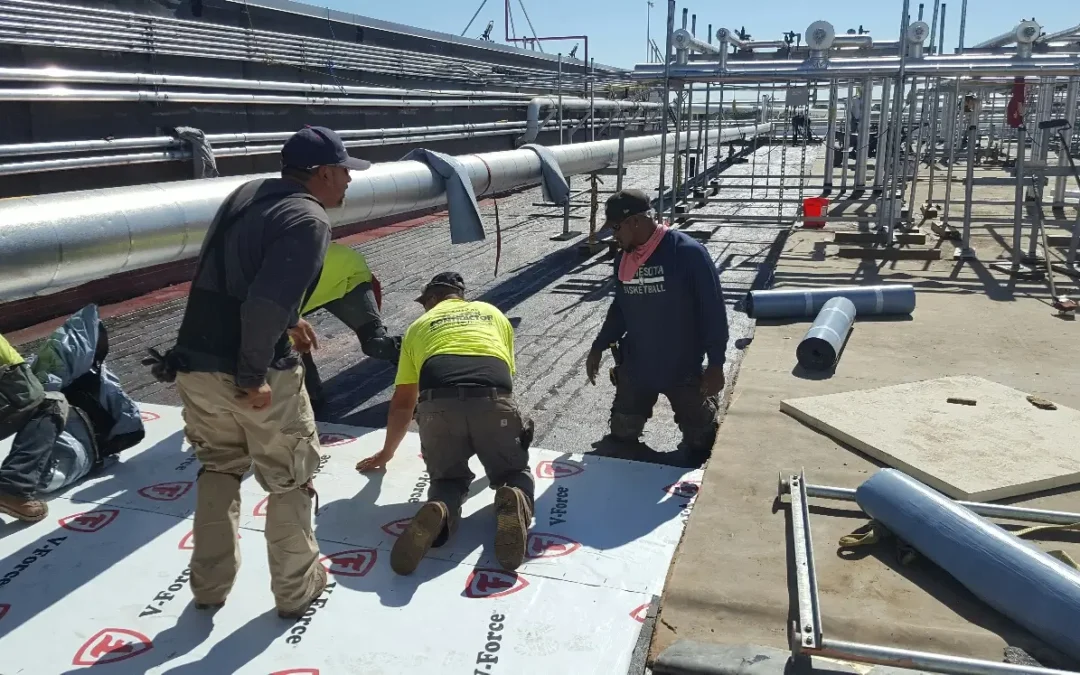
Commercial Roof Storm Damage: 10 Signs Your Building Needs Immediate Attention
Minnesota’s weather can change in an instant. One severe thunderstorm, hailstorm, wind event, or heavy snowfall can leave a commercial roofing system damaged—even if the problems aren’t immediately visible from the ground.
For property managers, facility managers, and commercial building owners, acting quickly after severe weather is critical. What starts as a small puncture, lifted membrane, or damaged flashing can quickly lead to water intrusion, business interruptions, structural damage, and expensive repairs if left unaddressed.
The challenge is that many forms of commercial roof storm damage aren’t obvious until leaks appear inside the building. By then, the damage has often spread beyond the roofing system itself.
Knowing what to look for after a storm can help you address issues early, protect your property, and simplify the insurance claims process.
Here are ten warning signs that your commercial roof may need immediate professional attention.
1. Water Stains or Interior Leaks
One of the clearest signs of commercial roof damage is water entering the building.
Watch for:
- Ceiling stains
- Water dripping from ceiling tiles
- Wet insulation
- Damp drywall
- Mold growth
- Pooling water indoors
Even a small leak may indicate significant damage above the roofing membrane.
Don’t assume the leak is located directly above the visible water damage—water often travels before becoming visible inside the building.
2. Ponding Water That Doesn’t Drain
Flat commercial roofing systems are designed to drain efficiently.
If standing water remains on the roof more than 48 hours after rainfall, it may indicate:
- Storm-related structural movement
- Clogged drains
- Damaged drainage systems
- Membrane deformation
Long-term ponding accelerates membrane deterioration and increases the likelihood of leaks.
3. Damaged or Lifted Roofing Membrane
High winds can lift sections of commercial roofing membranes without completely tearing them away.
Signs include:
- Wrinkles
- Loose seams
- Membrane uplift
- Bubbling
- Torn sections
Even minor lifting allows wind-driven rain to enter beneath the roofing system.
4. Damaged Flashing Around Rooftop Equipment
Storm damage often occurs around rooftop penetrations.
Inspect areas surrounding:
- HVAC units
- Plumbing vents
- Exhaust fans
- Skylights
- Equipment curbs
Loose or damaged flashing is one of the most common sources of commercial roof leaks.
5. Hail Impact Damage
Not every hailstorm causes obvious roof damage.
Even when the roofing membrane appears intact, hail can weaken protective surfaces, damage seams, or compromise flashing components.
Professional inspections help identify damage that isn’t visible from ground level.
6. Clogged Roof Drains and Debris
Storms often leave commercial roofs covered with:
- Tree branches
- Leaves
- Gravel
- Dirt
- Construction debris
Blocked drains prevent proper water flow and increase the risk of ponding water and leaks.
7. Loose Metal Components
Strong winds can loosen:
- Coping caps
- Edge metal
- Counter flashing
- Metal trim
- Fasteners
Loose components often allow water to penetrate beneath the roofing system during future storms.
8. Damage Around Roof Penetrations
Every penetration through a commercial roof creates a potential entry point for water.
Storms can damage seals around:
- HVAC equipment
- Vent stacks
- Electrical conduit
- Satellite equipment
- Mechanical supports
These areas should always be included in a professional inspection.
9. Visible Debris or Fallen Equipment
After severe weather, inspect your property for signs that rooftop equipment or debris may have impacted the roofing system.
Heavy objects can puncture roofing membranes or damage insulation beneath the surface.
Even if no leak is immediately visible, hidden damage may already be present.
10. Your Building Experienced Severe Weather—Even If You Don’t See Damage
Perhaps the biggest mistake commercial property owners make is assuming everything is fine simply because they don’t see visible damage.
Many roofing problems remain hidden until weeks or months later.
If your property experienced:
- Large hail
- High winds
- Heavy snowfall
- Ice accumulation
- Falling tree limbs
it’s wise to schedule a professional commercial roof inspection as soon as possible.
Early documentation also strengthens potential insurance claims.
Why Immediate Action Matters
Delaying repairs after storm damage often leads to:
- Interior water damage
- Mold growth
- Insulation replacement
- Structural deterioration
- Business interruptions
- Larger repair costs
- Warranty complications
Addressing storm damage early is almost always more affordable than waiting for leaks to develop.
How Commercial Roofing Contractors Assess Storm Damage
A professional storm damage inspection may include:
- Drone roof imaging
- High-resolution photography
- Thermal moisture detection
- Roof membrane inspection
- Flashing inspection
- Drainage evaluation
- Documentation for insurance claims
- Emergency repair recommendations
Comprehensive documentation helps building owners make informed repair decisions while supporting the insurance process.
Protect Your Commercial Property After the Next Storm
Storm damage isn’t always obvious—but it can become expensive if ignored.
Whether your building experienced hail, strong winds, heavy rain, or severe winter weather, scheduling a prompt commercial roof inspection can identify hidden damage before it leads to major repairs.
A professional inspection provides the documentation you need to protect your investment, support insurance claims, and restore your commercial roofing system quickly.
If your commercial property has recently experienced severe weather, don’t wait for leaks to appear. A prompt inspection can save thousands in future repair costs and help keep your building operating safely.