
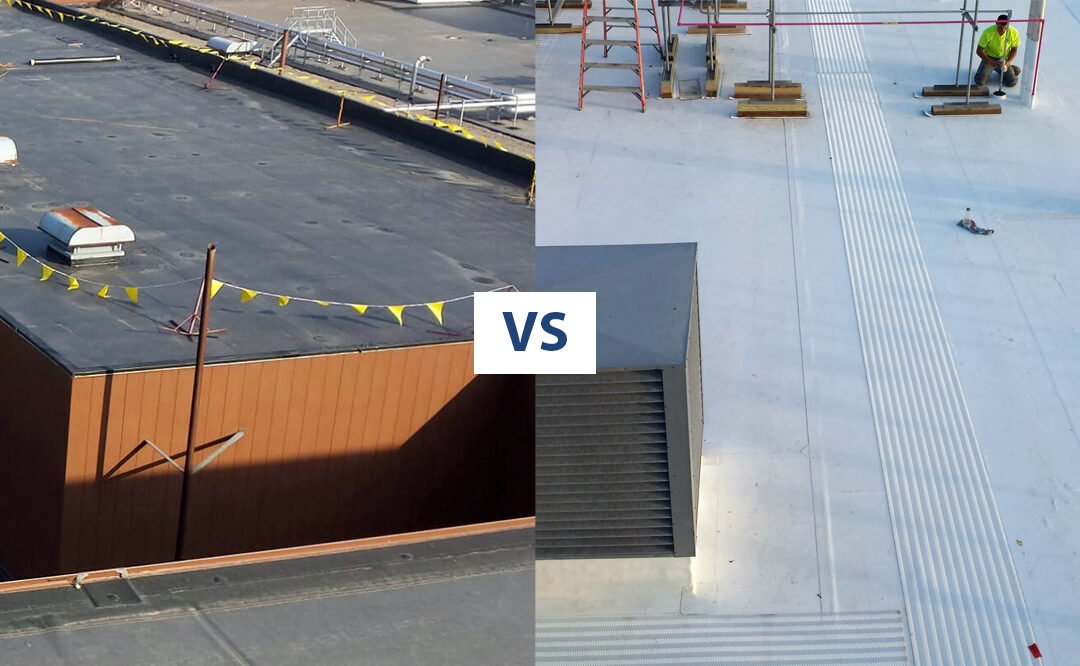
TPO vs. EPDM Roofing for Commercial Buildings in Minnesota
Choosing a roofing system for a commercial building is a major decision.
The roof has to protect the building, handle Minnesota weather, work with the building’s drainage and mechanical systems, and fit the property’s long-term maintenance plans.
Two common commercial roofing systems property owners may encounter are TPO and EPDM.
So which one is right for a commercial building in Minnesota?
The answer depends on the building, existing roof assembly, drainage, insulation requirements, rooftop equipment, budget, expected service life, and other project-specific factors.
Here’s what commercial property owners should know before choosing between TPO and EPDM.
What Is TPO Roofing?
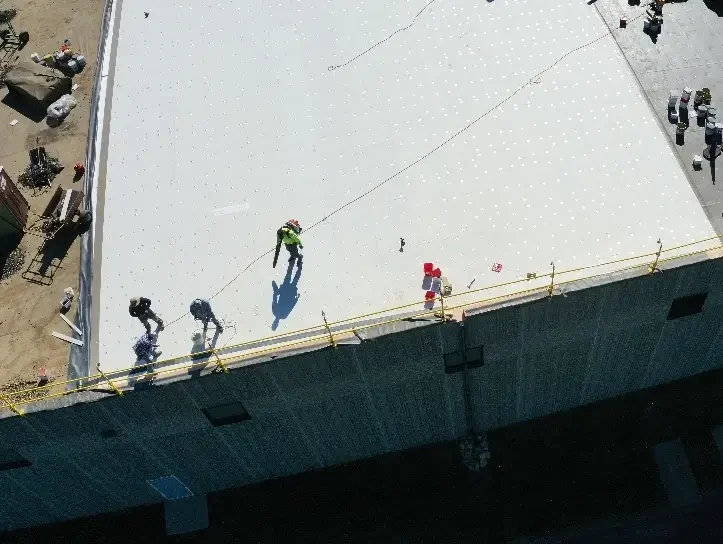
TPO stands for thermoplastic polyolefin.
It is a single-ply roofing membrane commonly used on commercial buildings, including offices, warehouses, retail properties, industrial buildings, and other low-slope structures.
One feature of TPO roofing is its heat-welded seams.
The membrane is installed over the roof assembly, with seams heat-welded to create a continuous roofing surface.
TPO is also available in reflective options, which can be useful when considering the building’s overall energy performance.
What Is EPDM Roofing?
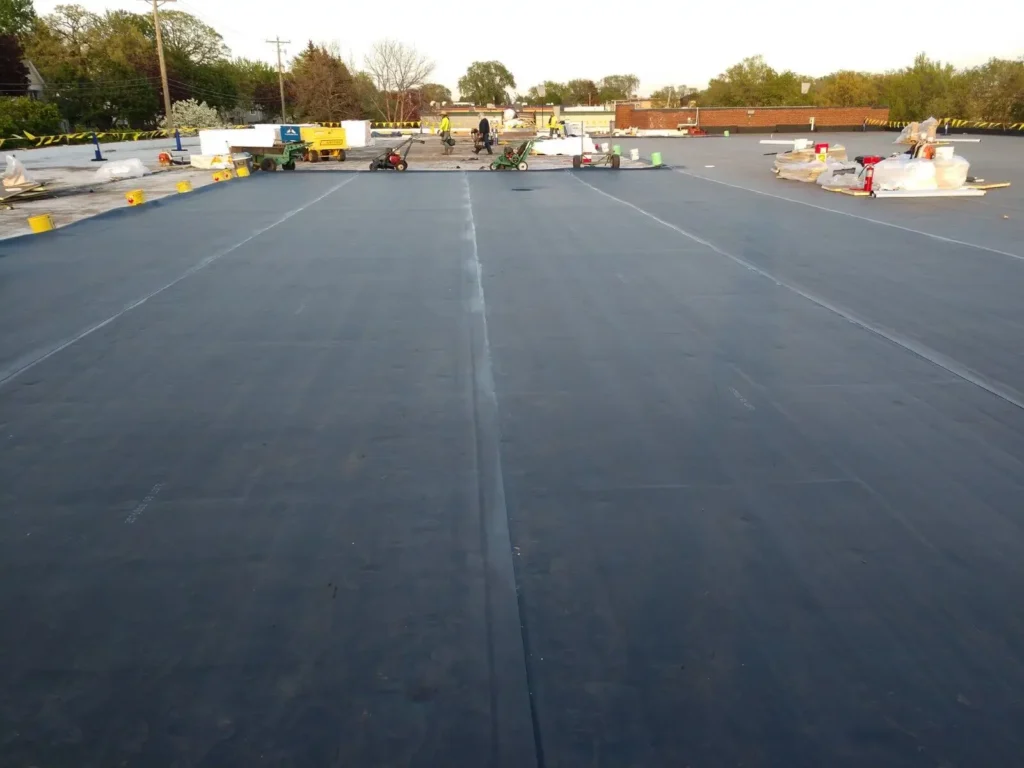
EPDM stands for ethylene propylene diene monomer.
It is another single-ply membrane commonly used for low-slope commercial roofing applications.
EPDM is often recognizable by its dark-colored membrane and is known for its flexibility and resistance to weathering.
Like TPO, EPDM can be installed as part of a complete commercial roofing assembly that includes insulation, cover boards, attachment systems, flashing, and other components.
TPO vs. EPDM: What’s the Difference?
While both are single-ply roofing systems, they are not identical.
Here are some of the factors a commercial property owner should consider.
Seam Technology
TPO seams are heat-welded.
EPDM systems typically use seam tape or adhesive systems rather than heat-welded seams.
The installation details matter with either system. Proper preparation, flashing, penetrations, edges, and seam installation all contribute to the performance of the completed roof.
Weather Exposure
Minnesota commercial roofs need to handle significant seasonal changes.
Snow, rain, ice, wind, and freeze-thaw cycles can all affect a roofing system.
Rather than choosing a membrane based solely on the material name, the complete roofing assembly and installation should be evaluated for the specific building.
Energy Performance
Roof insulation is an important part of commercial roofing.
Minnesota’s current commercial energy code includes requirements for roof insulation and applies to new and replacement roofs.
That means choosing a commercial roofing system is about more than simply choosing a membrane.
The insulation, roof assembly, building use, and applicable code requirements all need to be considered.
Roof Color and Reflectivity
TPO is commonly available in light-colored, reflective membranes.
EPDM is traditionally a dark membrane, although different products and configurations are available.
Reflectivity can be one consideration when evaluating a commercial building’s energy performance, but it should be considered alongside the entire roof assembly and building design.
Maintenance
Both TPO and EPDM roofing systems benefit from regular inspections and maintenance.
A commercial roof should not be ignored simply because the membrane itself is designed for long-term performance.
Property owners should have the roof evaluated for:
- Damaged membrane
- Seam issues
- Flashing
- Roof penetrations
- Drainage
- Ponding water
- Rooftop equipment
- Previous repairs
- Signs of moisture intrusion
Regular inspections can help identify smaller problems before they become larger roofing issues.
Which Is Better for Minnesota?
There is no universal answer.
TPO is a strong option for many commercial buildings, while EPDM is also a proven commercial roofing system.
The right choice depends on the specific property.
A roofing contractor should consider:
The building
What is the building used for? A warehouse, office, retail center, manufacturing facility, and other commercial properties can have very different roofing requirements.
The existing roof
If the building is being reroofed, the existing roof assembly and its condition need to be evaluated.
Drainage
How does water move across the roof?
Poor drainage can create problems regardless of which membrane is installed.
Insulation
The roof insulation and overall assembly are important considerations, especially when replacing an existing roof.
Rooftop equipment
HVAC units, vents, pipes, skylights, and other penetrations all create areas that require proper detailing.
Long-term maintenance
A commercial roofing decision should account for how the roof will be inspected and maintained after installation.
Don’t Choose a Commercial Roof Based on the Membrane Alone
TPO vs. EPDM is useful as a starting point, but the membrane is only one part of a commercial roofing system.
Installation quality, insulation, drainage, flashing, penetrations, roof edges, and maintenance all matter.
For Minnesota property owners, the best roofing decision is the one that fits the building rather than simply choosing the most popular material.
Need Help Choosing a Commercial Roofing System?
If you’re planning a commercial roof replacement, new construction project, or major reroofing project in Minnesota, Allweather Roof can evaluate the building and help you understand your roofing options.
A professional evaluation can help determine what type of roofing system, insulation, and installation approach makes sense for your property.
Contact Allweather Roof to discuss your commercial roofing project.