Minneapolis Industrial Roofing: What Building Owners Need to Know
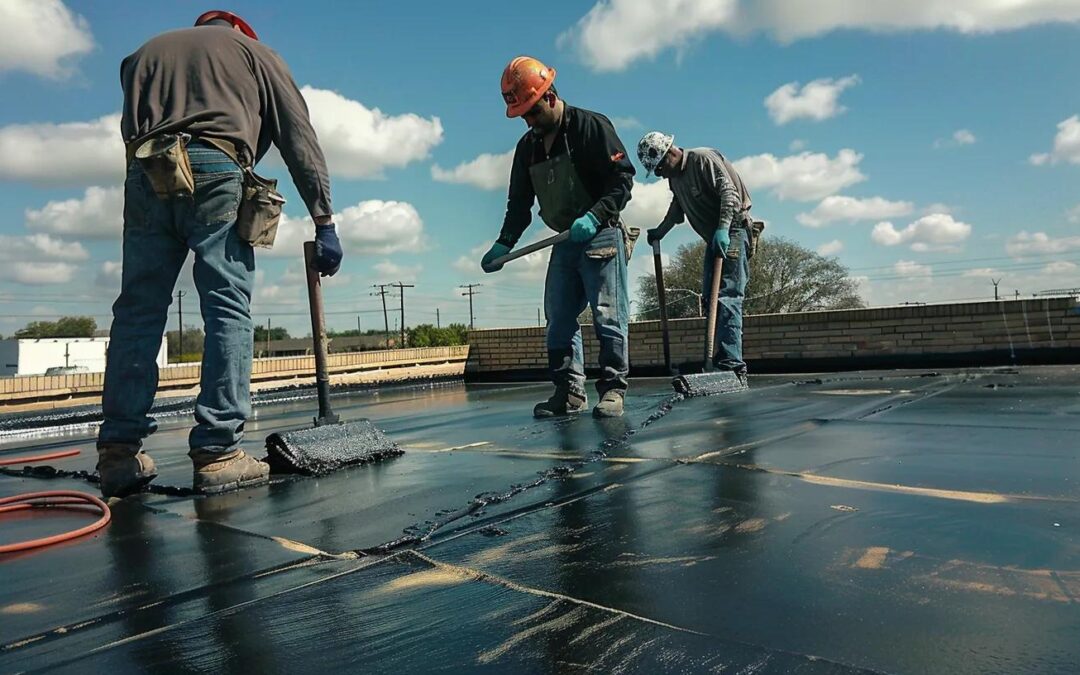
Industrial and large commercial buildings have different roofing needs than smaller properties. Warehouses, manufacturing facilities, distribution centers, and other large buildings often rely on expansive flat or low-slope roofing systems that must protect the building, equipment, inventory, and daily operations through Minnesota’s changing seasons.
In Minneapolis and throughout the Twin Cities, commercial roofs face everything from heavy snow and ice to summer heat, storms, and repeated freeze-thaw cycles. Choosing the right roofing system is important, but so are regular inspections, maintenance, timely repairs, and knowing when a roof has reached the end of its useful life.
For nearly 100 years, Allweather Roof has helped commercial property owners throughout Minnesota protect their buildings with commercial roofing installation, repair, maintenance, inspections, and re-roofing services.
What Is an Industrial Roof?
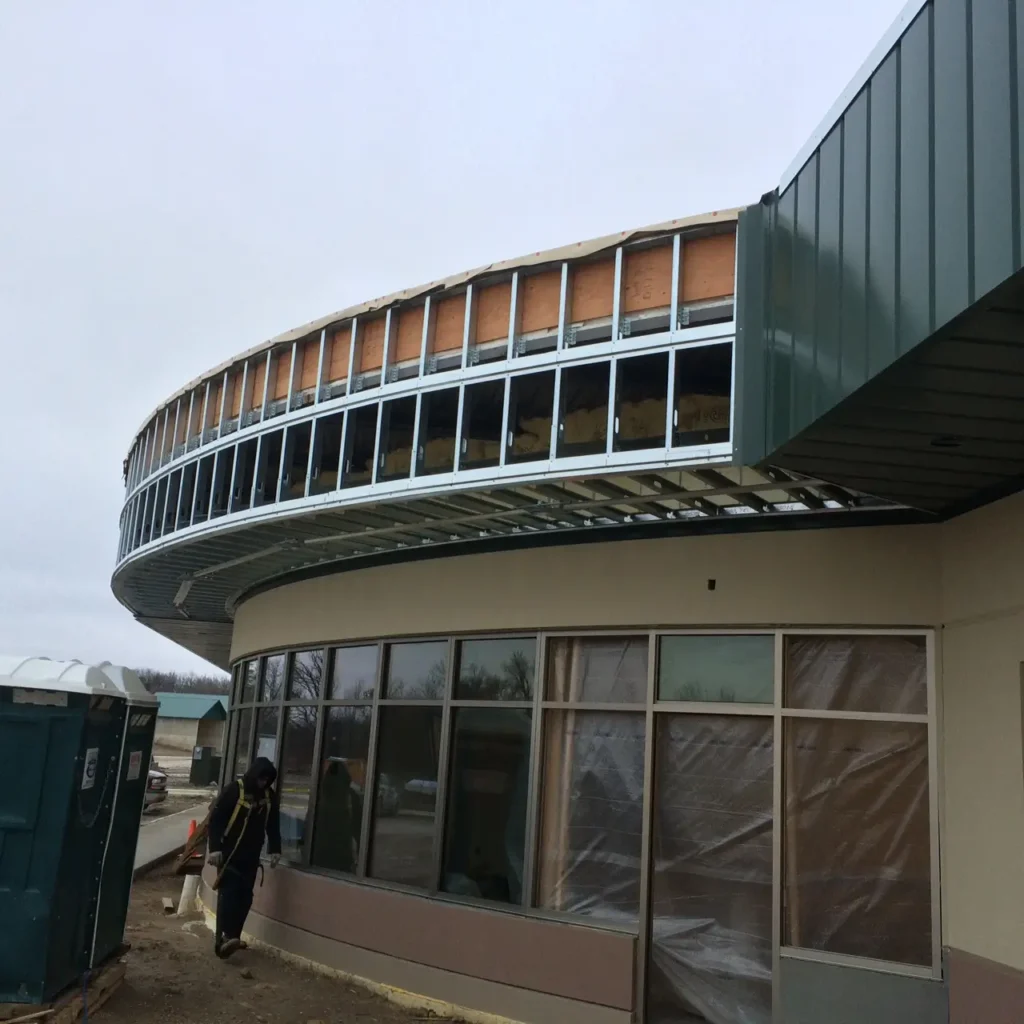
An industrial roof is the roofing system used on large facilities such as warehouses, manufacturing plants, distribution centers, and other industrial properties.
Many of these buildings have large flat or low-slope roofs. Because of their size and the equipment often located on them, industrial roofing systems require careful planning, proper drainage, durable materials, and ongoing maintenance.
The right roofing system depends on several factors, including:
- The size and design of the building
- Existing roof conditions
- Drainage requirements
- Rooftop equipment
- Building use and operations
- Expected service life
- Maintenance requirements
- Available budget and long-term goals
There isn’t one roofing system that is right for every industrial building. A professional roof assessment can help determine which solution makes the most sense for the property.
Why Is Minneapolis Weather Hard on Industrial Roofs?
Minnesota weather can put significant stress on commercial and industrial roofing systems throughout the year.
Snow and Ice
Heavy snowfall and ice accumulation can place additional loads on large low-slope roofing systems. Snow and ice can also contribute to drainage problems when roof drains or other drainage paths become blocked.
Freeze-Thaw Cycles
Minnesota’s repeated changes between freezing and thawing temperatures can contribute to expansion and contraction within roofing materials, flashing, seams, and other roof components.
Heavy Rain and Storms
Severe storms can expose existing weaknesses in a roofing system. Wind, hail, and heavy rainfall can damage membranes, flashing, penetrations, and other components.
Heat and UV Exposure
Summer temperatures and prolonged sun exposure can also contribute to the aging of roofing materials over time.
Because industrial roofs experience these conditions year after year, regular inspection and maintenance can play an important role in protecting the building and extending the useful life of the roof.
What Roofing Systems Are Used on Industrial Buildings?
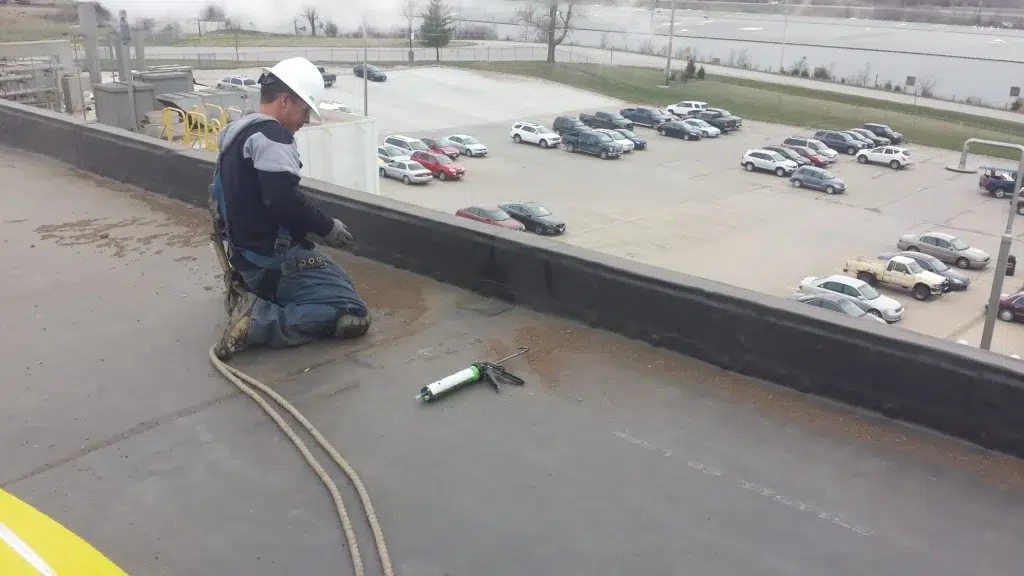
Industrial and commercial buildings can use several different roofing systems. Allweather Roof is certified in six major commercial roofing systems, allowing its team to evaluate the building and recommend a solution based on the property’s needs rather than simply installing the same system on every project.
TPO Roofing
TPO, or thermoplastic polyolefin, is a single-ply membrane commonly used on commercial and industrial flat and low-slope roofs.
TPO is known for its reflective surface, weather resistance, heat-welded seams, and long-term performance. Allweather Roof notes that properly maintained TPO systems can often provide 20–30 years of service, depending on conditions and maintenance.
EPDM Roofing
EPDM is a synthetic rubber membrane commonly used on commercial flat and low-slope roofs. It is known for its weather resistance and relatively low maintenance requirements.
PVC-KEE Roofing
PVC-KEE is another single-ply membrane option. Its chemical resistance and fire performance can make it appropriate for certain commercial and industrial environments.
Modified Bitumen
Modified bitumen is a multi-layer roofing system commonly used on flat and low-slope commercial buildings. Its layered construction provides durable waterproofing and flexibility.
Built-Up Roofing
Built-Up Roofing, or BUR, uses multiple layers of bitumen and reinforcing materials to create a durable commercial roofing membrane. BUR has been used on commercial and industrial buildings for more than a century.
Sheet Metal Roofing
Commercial sheet metal roofing can provide long-term durability and weather resistance and is used on a variety of commercial and industrial properties. Depending on the building and design, metal systems can include structural or architectural applications.
What Problems Should Industrial Building Owners Watch For?
Small roofing problems can become significantly more expensive when they go unnoticed.
During regular inspections, building owners and facility managers should watch for signs such as:
- Water leaks or stains inside the building
- Ponding water
- Damaged or deteriorated flashing
- Membrane damage
- Open or damaged seams
- Damage around rooftop equipment and penetrations
- Blocked or damaged drains
- Signs of storm or hail damage
- Aging roofing materials
A roof leak is not always located directly above the area where water appears inside the building. Water can travel through roofing assemblies before becoming visible indoors, which is why professional inspection can be important when diagnosing commercial roof problems.
When Should an Industrial Roof Be Repaired or Replaced?
Not every roofing problem requires a complete replacement.
In some cases, repairing a damaged area and addressing the underlying cause can extend the life of the existing roof. In other situations, extensive deterioration, recurring leaks, or an aging roofing system may make re-roofing a more practical long-term solution.
The decision should be based on the actual condition of the roofing system, not simply its age.
Allweather Roof provides commercial roof inspections, service and repair, maintenance, and re-roofing services to help building owners evaluate their options.
Why Regular Industrial Roof Maintenance Matters
A commercial roof is an important part of protecting a building and everything inside it.
Allweather Roof recommends at least one professional inspection each year and notes that proper inspection and maintenance can help increase the long-term life cycle of a roof assembly.
A maintenance program can help identify developing issues before they turn into major repairs.
For industrial properties, regular inspections can also provide an opportunity to evaluate:
- Drainage
- Flashing
- Membrane condition
- Rooftop penetrations
- Seams and details
- Storm damage
- Areas of recurring concern
Preventative maintenance is generally easier to plan around business operations than an unexpected emergency repair.
What Should You Look for in an Industrial Roofing Contractor?
Industrial and large commercial roofing projects require experience beyond simply installing roofing materials.
When evaluating a commercial roofing contractor, consider:
Experience With Commercial Roofing
Look for a contractor with experience working on large commercial and industrial properties.
Multiple Roofing Systems
A contractor familiar with multiple roofing systems can evaluate the building and recommend an appropriate solution instead of limiting the project to one type of roof.
Inspection and Maintenance Services
Roofing shouldn’t stop after installation. A contractor that also provides inspections, maintenance, and repairs can help property owners manage the roof throughout its service life.
Emergency Response
Roof problems don’t always happen during business hours. Having access to a commercial roofing service department that responds around the clock can be especially important when a leak or storm-related problem threatens business operations.
Allweather Roof’s service technicians are available 24 hours a day, 365 days a year for commercial roofing service needs.
A Long-Term Approach
The cheapest roofing option upfront isn’t necessarily the lowest-cost option over the life of the building.
Allweather Roof states that its approach is to identify the roofing system that provides the lowest lifecycle cost for the customer’s budget and building.
That means considering more than the initial installation price, including expected service life, maintenance, repairs, energy performance, and future replacement needs.
Industrial Roofing in Minneapolis: Protect Your Building for the Long Term
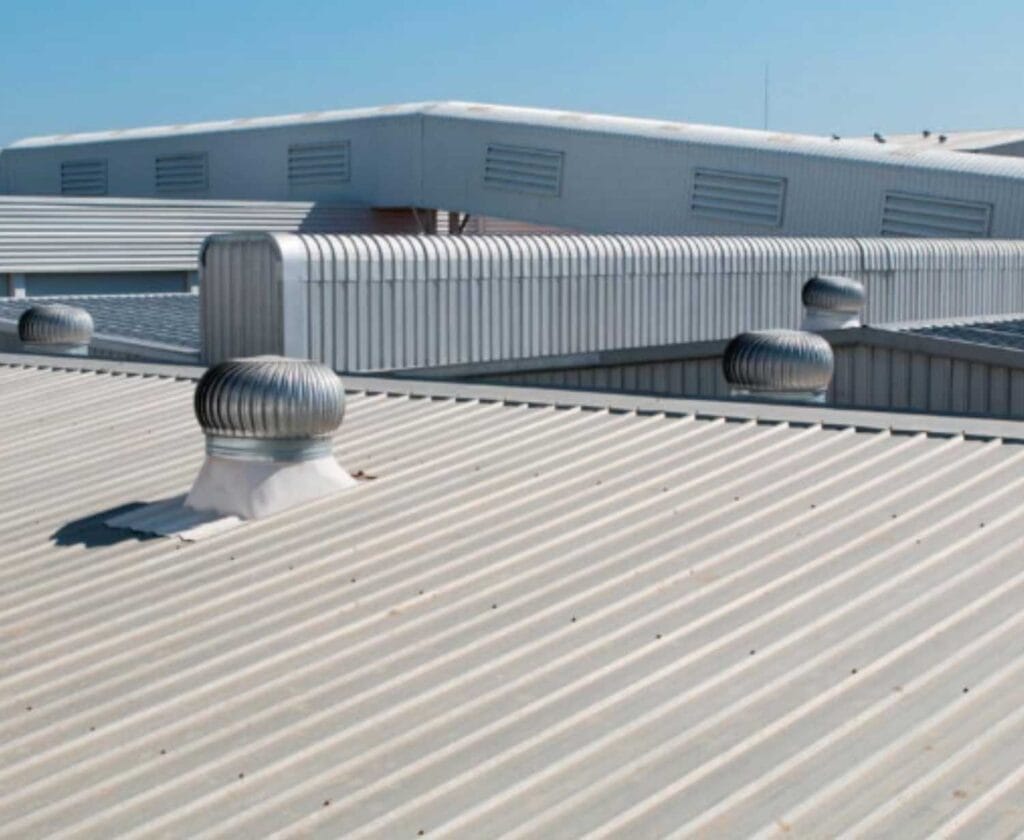
A commercial or industrial roof is more than a protective covering. It helps protect the building, equipment, inventory, employees, and business operations underneath it.
Minnesota’s weather makes regular inspections and proactive maintenance especially important for large commercial roofing systems. Whether a building needs a repair, maintenance program, inspection, or complete re-roofing project, understanding the condition of the existing roof is the first step toward making an informed decision.
Allweather Roof has served commercial property owners since 1925 and has installed more than 10,000 roofs totaling more than 100 million square feet. The company provides commercial roofing services throughout Minnesota, including inspections, maintenance, repairs, emergency service, and re-roofing.
Need to Evaluate Your Commercial or Industrial Roof?
If you’re responsible for a commercial or industrial property in Minneapolis or the Twin Cities and aren’t sure about the condition of your roof, an assessment can help you understand what you’re dealing with before a small issue becomes a major problem.
Contact Allweather Roof to schedule a commercial roof assessment or discuss your roofing needs.m