
How Minnesota Summer Storms Damage Commercial Flat Roofs (And What to Check Before Fall)
Why late-summer roof inspections can prevent expensive winter repairs
Minnesota summers can be unpredictable. One week brings heat and humidity, and the next brings heavy rain, hail, strong winds, and severe thunderstorms. While many building owners focus on visible storm damage, commercial flat roofs often suffer hidden damage that becomes much worse during the fall and winter months.
By August, many commercial properties have already experienced several storm events. Even if your roof is not actively leaking, water intrusion, membrane damage, clogged drainage systems, and flashing problems may already be developing beneath the surface.
The most expensive commercial roof repairs often begin with minor storm damage that goes unnoticed until freezing temperatures arrive. A professional inspection before fall can identify these issues early and help avoid emergency repairs during the Minnesota winter.
Why flat roofs are especially vulnerable after summer storms
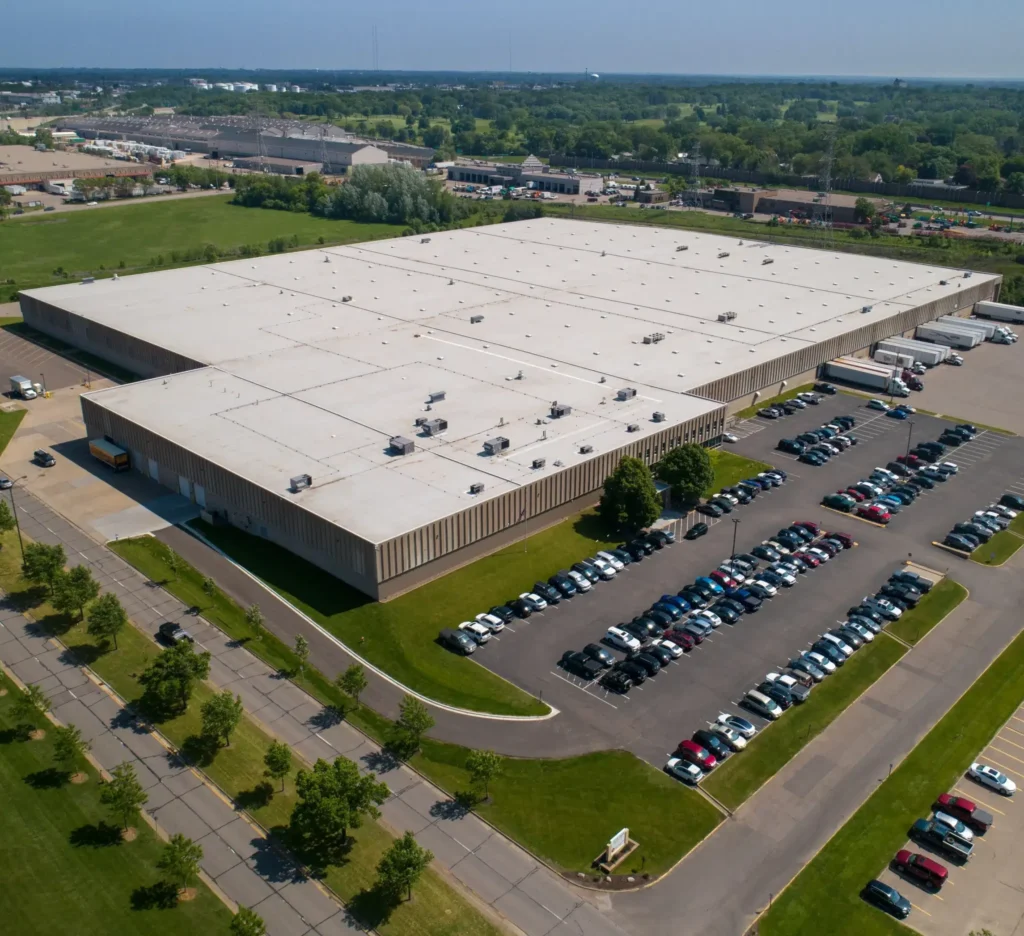
Commercial flat roofs are designed to manage water efficiently, but they depend on drainage systems, roofing membranes, seams, flashing, and insulation working together properly.
After a severe summer storm, problems may not be immediately obvious from the ground. Water can penetrate roofing materials, damage insulation, and weaken seams long before a leak appears inside the building.
Common storm-related roof damage includes:
- Membrane punctures from wind-blown debris
- Hail impact damage
- Loose or damaged flashing
- Open seams in TPO, EPDM, or modified bitumen roofing
- Ponding water from blocked drains
- Saturated insulation
- Damage around rooftop HVAC units and penetrations
Because commercial flat roofs have limited slope, standing water and small membrane failures can quickly turn into significant leaks if left unrepaired.
The most common storm damage found on Minnesota commercial roofs
Hail damage
Hail is one of the most damaging weather events for commercial roofing systems. Even small hailstones can create impact damage that shortens the lifespan of roofing membranes.
Hail may cause:
- Surface fractures
- Membrane bruising
- Granule loss on modified bitumen systems
- Damage to roof coatings
- Dents in flashing and rooftop equipment
Many hail-related problems are difficult to identify without a professional inspection.
Wind damage
Minnesota thunderstorms frequently produce strong wind gusts capable of lifting roofing membranes, loosening edge flashing, and exposing roof seams.
Wind damage often leads to:
- Membrane separation
- Flashing displacement
- Roof edge deterioration
- Water infiltration during future rain events
Once wind creates an opening, additional storms can rapidly expand the damage.
Heavy rainfall and ponding water
Flat roofs are particularly vulnerable to ponding water after intense rainfall.
When drains become clogged with leaves, dirt, or storm debris, water remains on the roof for extended periods. Standing water increases stress on roofing materials and can eventually lead to leaks, insulation damage, and structural concerns.
Hidden damage that often appears weeks later
One of the biggest mistakes property owners make is assuming that no interior leak means no roof damage.
In reality, storm damage may remain hidden for weeks or months.
Water can travel beneath roofing membranes and saturate insulation before becoming visible inside the building. During the fall, repeated rain events often worsen the damage. Once winter arrives, freeze-thaw cycles can expand small openings and create major roofing failures.
Signs that may indicate hidden storm damage include:
- New ceiling stains
- Increased humidity inside the building
- Mold or mildew odors
- Bubbling or blistering roofing membranes
- Soft areas on the roof surface
- Rising energy costs from wet insulation
What to check before fall arrives
Late summer is the ideal time to evaluate the condition of your commercial roof before colder weather arrives.
Inspect drainage systems
Check roof drains, gutters, scuppers, and downspouts for:
- Leaves
- Branches
- Dirt accumulation
- Roofing debris
- Standing water around drains
Proper drainage is one of the most important defenses against fall and winter roof damage.
Examine flashing and roof penetrations
Pay close attention to:
- HVAC curbs
- Vent pipes
- Skylights
- Roof access points
- Expansion joints
These areas are common locations for storm-related leaks.
Look for membrane damage
Inspect the roof for:
- Tears
- Punctures
- Open seams
- Wrinkles
- Blisters
- Areas of ponding water
Any membrane damage should be repaired before temperatures begin dropping.
Check rooftop equipment
Storms can loosen or damage equipment supports, fasteners, and flashing around mechanical systems. Roof-mounted HVAC units are especially vulnerable after severe weather.
Why August and September are the best months for repairs
Scheduling roof repairs before fall offers several advantages.
Weather conditions are generally more favorable for roofing work, contractors have greater flexibility than during winter emergencies, and repairs can be completed before freeze-thaw cycles begin.
Waiting until winter often results in:
- Higher emergency repair costs
- Temporary patching instead of permanent repairs
- Interior water damage
- Business disruptions
- Increased insurance complications
Preventive maintenance is almost always less expensive than emergency winter roofing repairs.
A professional commercial roof inspection provides peace of mind
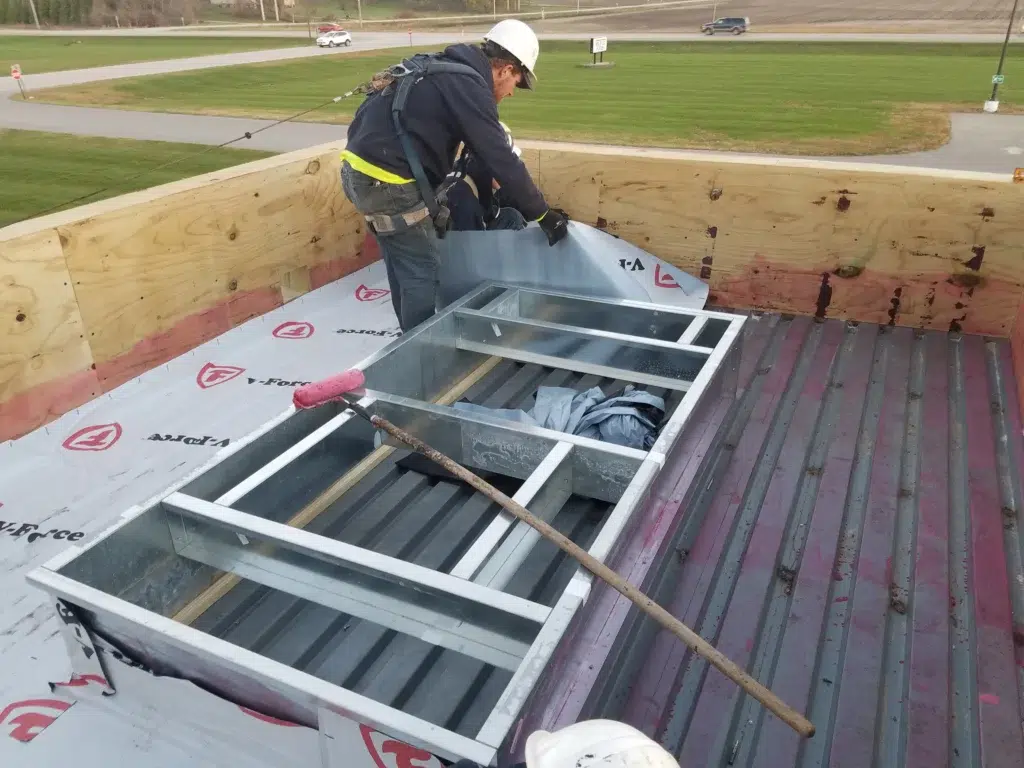
After a summer storm, a professional inspection can identify damage that is not visible from the ground.
A commercial roofing contractor can evaluate:
- Roofing membrane condition
- Moisture intrusion
- Flashing integrity
- Drainage performance
- Insulation saturation
- Storm-related damage
- Remaining roof life expectancy
This information helps property owners make informed repair decisions before minor problems become major expenses.
Protect your commercial roof before Minnesota winter
Summer storms can shorten the life of a commercial flat roof even when damage is not immediately visible. By the time a leak appears inside the building, water may have already caused significant damage to insulation, decking, and interior finishes.
If your property has experienced heavy rain, hail, or strong winds this summer, now is the time to schedule a commercial roof inspection.
Identifying storm damage before fall arrives can help protect your building, reduce repair costs, and prepare your roof for another Minnesota winter.
Contact our Minnesota commercial roofing team today to schedule a comprehensive flat roof inspection and ensure your roof is ready for the seasons ahead.
FAQs
How can I tell if my commercial flat roof has storm damage?
Some storm damage is visible, such as punctures, loose flashing, or standing water. However, many problems are hidden beneath the roofing membrane. A professional commercial roof inspection is the best way to identify hail damage, wind damage, saturated insulation, and seam failures before leaks develop.
Can hail damage a commercial flat roof without causing an immediate leak?
Yes. Hail can bruise or puncture roofing membranes, damage roof coatings, and weaken seams without creating an obvious leak right away. In many cases, leaks appear weeks or months later after additional rain or freeze-thaw cycles.
What is the most common type of storm damage on Minnesota commercial roofs?
The most common storm-related problems include hail damage, wind-lifted roofing membranes, damaged flashing, clogged roof drains, and ponding water. These issues can lead to water intrusion and costly roof repairs if left untreated.
Should I schedule a roof inspection after every major summer storm?
If your property has experienced heavy rain, hail, or strong winds, it is a good idea to schedule a commercial roof inspection. Early detection of storm damage can prevent more expensive repairs and reduce the risk of interior water damage.
Why is August a good time for a commercial roof inspection in Minnesota?
August provides favorable weather conditions for inspections and repairs before fall and winter arrive. Addressing storm damage during late summer allows contractors to make permanent repairs before freezing temperatures make roofing work more difficult.
Can ponding water damage a commercial flat roof?
Yes. Water that remains on a flat roof for extended periods can weaken roofing materials, damage insulation, increase structural stress, and significantly shorten the roof’s lifespan. Proper drainage is essential for protecting a commercial roofing system.
Will insurance cover commercial roof storm damage?
Insurance coverage depends on your policy and the extent of the damage. Many commercial property insurance policies may cover qualifying hail or wind damage. A professional roofing inspection and detailed documentation can help support an insurance claim when applicable.
How often should a commercial flat roof be inspected?
Most commercial roofing experts recommend at least two inspections per year, typically in the spring and fall, as well as additional inspections after severe weather events. Regular inspections help identify small problems before they become major roofing failures.