
Understanding Commercial Roofing Warranties: Types, Coverage, Maintenance, and Claims
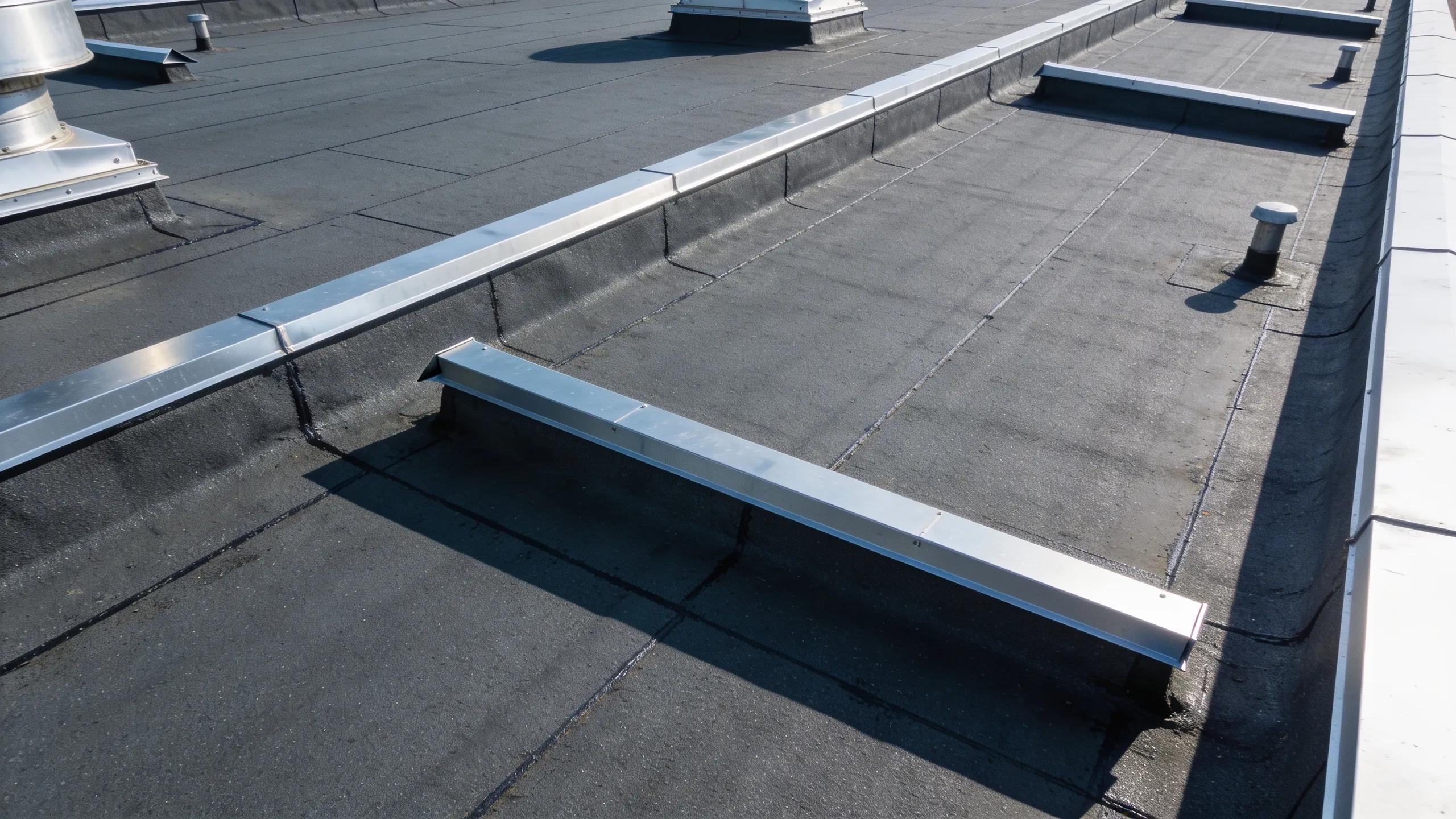
Commercial roofing warranties establish clear guarantees on material performance, installation quality, maintenance requirements and claim procedures to safeguard building owners’ investments. Building managers in the Midwest face fluctuating temperatures, hailstorms and heavy snow loads that can threaten roof integrity and trigger costly repairs. A robust roofing warranty framework offers peace of mind by defining coverage, exclusions and steps to file claims after defects or leaks emerge. This guide explains what commercial roofing warranties are and why they matter, compares manufacturer, contractor and no-dollar-limit (NDL) warranty types, outlines coverage and exclusions, details maintenance protocols to keep warranties valid, walks through the claim-filing process, highlights factors for selecting the ideal warranty, and answers key questions building owners ask when protecting their roofing systems.
What Are Commercial Roofing Warranties and Why Are They Important?
Commercial roofing warranties are formal promises from manufacturers or contractors to repair or replace roofing components under specified conditions, protecting owners from unexpected expenses. By clearly defining covered defects, warranty durations and maintenance obligations, a warranty secures long-term performance and supports predictable budgeting for large-scale roofing investments.
What Is a Commercial Roof Warranty?
A commercial roof warranty is a contractual guarantee that outlines repair or replacement obligations for defects in materials or workmanship over an agreed period. It ensures that roofing membranes, insulation, flashings and fasteners meet performance standards. For example, a 20-year material warranty from a membrane manufacturer covers tears or material failures that compromise watertight integrity.
This type of warranty ensures that the roofing materials themselves are guaranteed against defects for a specified period.
An Explanation of Commercial Roofing No-Deductible Warranties We provide both material-only and comprehensive system No-Deductible warranties.Proactive Roofing, Unknown Author, Unknown
Why Do Commercial Building Owners Need Roofing Warranties?
Commercial building owners need roofing warranties to mitigate financial risk, preserve asset value and maintain uninterrupted operations. A valid warranty protects against sudden repair costs, tenant disruptions and potential liability from interior damage. This security is especially vital for distribution centres or office complexes where leaks can halt critical activities.
How Do Warranties Protect Your Roofing Investment?
Warranties protect roofing investments by transferring repair liabilities to the warranty provider, capping out-of-pocket expenses and ensuring timely defect remediation. Defined performance benchmarks and maintenance schedules promote proactive upkeep, extending service life. This safeguard maintains predictable lifecycle costs for roofing systems that can span decades.
What Are the Key Entities Involved in Commercial Roofing Warranties?
Several distinct parties shape warranty agreements:
- Manufacturer: Supplies the roofing materials and issues material warranty terms.
- Contractor: Installs the roofing system and offers workmanship guarantees.
- Building Owner/Property Manager: Maintains the roof according to requirements to preserve warranty validity.
- Service Provider: Delivers periodic inspections and maintenance, often as part of a service plan that supports warranty compliance.
Each entity’s role ensures clear accountability for materials, installation quality and ongoing upkeep.
What Are the Different Types of Commercial Roof Warranties?
Commercial roofs commonly carry three primary warranty types—manufacturer’s material, contractor workmanship and no-dollar-limit (NDL)—with prorated and non-prorated options that influence coverage costs over time.
What Is a Manufacturer’s Warranty and What Does It Cover?
A manufacturer’s warranty guarantees that roofing materials will remain free from defects such as membrane splitting, seam failures or dimensional shrinkage. Coverage often spans 10 to 30 years depending on product grade and may require annual inspections to remain valid.
The decision to invest in a manufacturer’s warranty is a significant one for building owners.
Do Commercial Roof Warranties Justify the Investment? Manufacturer’s Warranties: If your roofing system is procured from an established manufacturer, … require your roofing contractor to meet specific criteria. To obtain a warranty from a manufacturer, …The decision to warranty are roof warranties worth the investment?, Unknown Author, 2011
What Is a Contractor’s Workmanship Warranty?
A contractor’s workmanship warranty covers installation-related defects, including improper fastening, incorrect flashing details or adhesive failures. Typical durations range from one to five years and focus exclusively on labour quality rather than material performance.
What Is an NDL (No Dollar Limit) Warranty and How Does It Work?
An NDL warranty is a premium manufacturer guarantee that covers both materials and labour without a financial cap on repair costs. This full-system coverage addresses leaks caused by material failure or poor workmanship, making it ideal for large facilities at high risk of damage.
How Do Prorated and Non-Prorated Warranties Differ?
Prorated warranties gradually reduce coverage value over time, requiring building owners to pay a percentage of repair costs beyond a certain point. Non-prorated warranties maintain full coverage until expiration, offering consistent financial protection throughout the warranty term.
How to Compare Commercial Roof Warranty Types?
Below is a side-by-side comparison of key warranty attributes:
| Warranty Type | Coverage Scope | Duration Range | Cost Implication | Provider |
| Manufacturer’s Material | Material defects only | 10–30 years | Moderate | Material Manufacturer |
| Contractor’s Workmanship | Installation errors only | 1–5 years | Low | Roofing Contractor |
| No Dollar Limit (NDL) | Material & labour, unlimited | 15–30 years | High | Manufacturer & Contractor |
What Does Commercial Roof Warranty Coverage Include and Exclude?
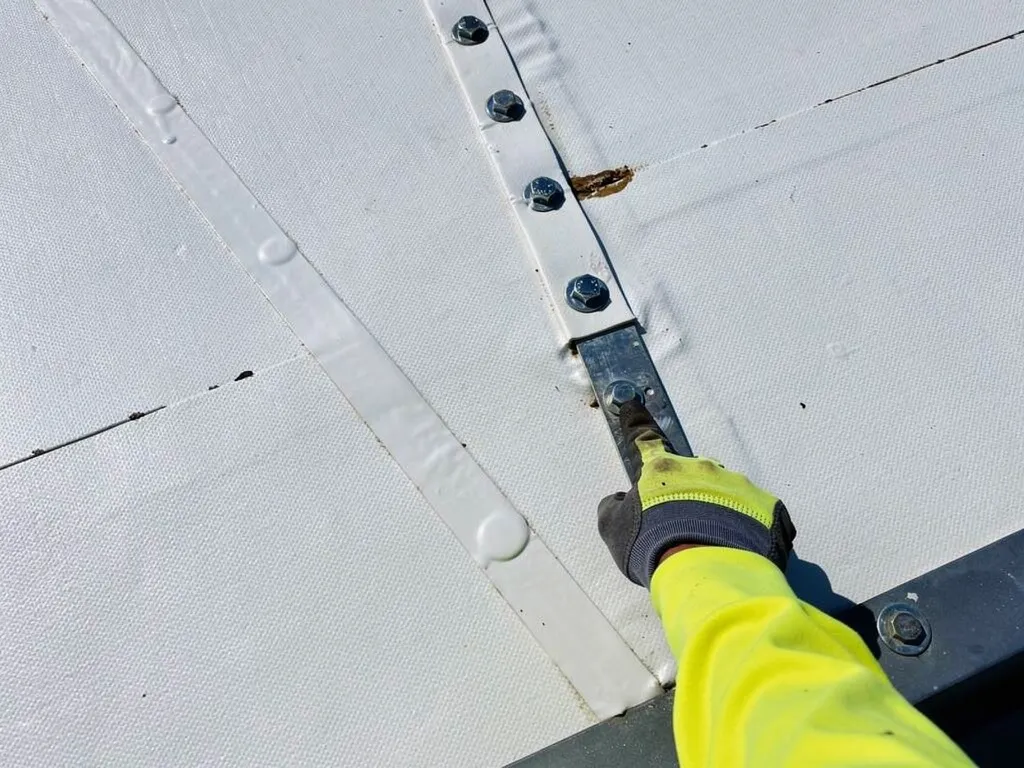
Understanding permitted repairs and limitations is essential to avoid surprises when filing warranty claims.
What Are Common Warranty Coverage Items?
- Material defects such as membrane tears or shrinkage.
- Workmanship errors including faulty seams or inadequate fastening.
- Leak remediation to restore watertight integrity.
- Replacement of defective components at no additional cost under non-prorated or NDL terms.
What Are Typical Warranty Exclusions?
- Severe weather damage from hail exceeding specified sizes or wind speeds above design limits.
- Neglect or insufficient maintenance, such as clogged drains or accumulated debris.
- Unauthorized modifications or repairs by third parties.
- Damage to interior finishes or equipment not directly related to roof materials.
Are There Additional Coverage Options Available?
- Hail impact coverage up to defined severity.
- Accidental puncture protection during rooftop work.
- Enhanced wind speed ratings beyond standard design thresholds.
- Energy-efficient membrane performance guarantees.
How Do Exclusions Affect Your Warranty Protection?
Exclusions delineate repair liabilities that fall outside the warranty provider’s obligations, potentially shifting costs back to building owners. Recognising common exclusion items directs owners toward proactive maintenance, authorised contractor use and selection of broader warranty options to minimise out-of-pocket expenses.
How Can You Maintain Your Commercial Roof Warranty?
Adhering to maintenance requirements is critical to sustain warranty validity over the stated term.
Why Is Regular Roof Maintenance Critical for Warranty Validity?
Regular maintenance ensures early detection of minor issues, preventing them from escalating into major defects that void warranties. Annual inspections, gutter clearing and prompt repairs align with most manufacturers’ service obligations and extend roof lifecycle performance.
Consistent maintenance is key to ensuring a commercial building’s longevity and resilience.
Commercial Building Maintenance Procedures for Longevity Regular building maintenance prevents deterioration and enhances long-term resilience. Building maintenance encompasses various types of work. This report focuses on a specific type of maintenance carried out for commercial buildings, specifically within the administrative building of the Malaysian Veterinary Institute (MVI). The objective is to examine the execution of this maintenance work, its effects, and the differences observed post-completion. Primarily, the report aims to identify the established procedures for conducting this maintenance. The project scope included repair work on the roof, walls, ceiling, and interior of the administrative building. However, these maintenance tasks are not performed concurrently but are undertaken periodically according to a predetermined schedule. Consequently, this project is crucial for ensuring the comfort and safety of all future building users. Furthermore, this report has provided valuable insights into building maintenance practices.Procedures of corrective maintenance for commercial building, Unknown Author, 2022
What Actions Can Void a Commercial Roof Warranty?
- Neglecting scheduled inspections and upkeep.
- Performing unauthorised repairs or using non-approved materials.
- Allowing debris accumulation leading to ponding water.
- Exceeding design load limits, such as heavy equipment installation without reinforcement.
What Maintenance Services Does All Weather Roof Offer to Protect Your Warranty?
- Biannual roof inspections performed by certified technicians.
- Detailed condition reports with photo documentation.
- Preventive cleaning and membrane treatment.
- Priority scheduling for warranty-compliant repairs.
How Does Midwest Climate Affect Warranty Maintenance Requirements?
Freeze-thaw cycles, heavy snowfall and hail exposure in the Midwest accelerate membrane wear and stress. Seasonal snow removal, early spring inspections for hail damage and reinforcement of vulnerable areas are essential to meet warranty obligations and prevent voiding.
How Do You File a Commercial Roof Warranty Claim?
A clear, documented claims process reduces delays and secures timely repairs under warranty terms.
What Is the Step-by-Step Process to File a Warranty Claim?
- Document Defect: Record photos of leaks, membrane tears or seam failures.
- Notify Provider: Submit claim notices within specified time frames outlined in the warranty.
- Schedule Inspection: Coordinate a site visit with manufacturer and contractor representatives.
- Review Findings: Receive an official defect report detailing coverage eligibility.
- Authorize Repairs: Approve repair scope under warranty terms to commence remediation.
What Documentation Is Required for a Successful Claim?
- Proof of original installation date and warranty certificates.
- Maintenance records and inspection reports.
- Photographic evidence of the defect.
- Detailed description of site conditions and damage location.
What Roles Do the Manufacturer and Contractor Play in Claims?
Manufacturers assess material failures and determine coverage under material warranties, while contractors inspect installation quality and perform approved repairs. Coordinated communication between both entities ensures comprehensive resolution of defects and compliance with warranty terms.
How Can You Avoid Common Claim Mistakes?
- Maintain complete maintenance logs and inspection reports.
- Use authorised repair methods and materials only.
- Submit claims promptly after defect discovery.
- Provide clear, date-stamped photographic evidence.
How Do You Choose the Right Commercial Roof Warranty for Your Business?
Selecting an appropriate warranty balances coverage scope, cost and risk tolerance.
What Factors Should Influence Your Warranty Choice?
- Roofing system type and material lifecycle expectancy.
- Building size, occupancy and risk profile for weather events.
- Budget constraints for upfront fees versus long-term protection.
- Maintenance capacity to meet service requirements.
How Do Long-Term Value and Upfront Cost Compare?
Non-prorated and NDL warranties carry higher initial costs but maintain full coverage throughout their term, reducing repair liabilities. Prorated warranties cost less up front but may require significant owner contributions as coverage diminishes. A total cost-of-ownership analysis clarifies the best financial outcome.
When Is an NDL Warranty the Best Option?
An NDL warranty is ideal for large roofs in high-risk environments or when uninterrupted protection is essential. Unlimited labour coverage and comprehensive leak repair obligations remove financial uncertainty for critical facilities and deliver maximum assurance.
How Can All Weather Roof Experts Help You Select the Best Warranty?
All Weather Roof’s consultants assess your roof design, local climate challenges and operational needs to recommend optimal warranty structures. Their expertise in material performance, installation standards and service planning ensures building owners secure the most suitable warranty for enduring protection.
What Are the Most Frequently Asked Questions About Commercial Roofing Warranties?
Owners often seek clarity on warranty duration, voiding circumstances, claim distinctions, transferability and interaction with insurance.
What Is the Typical Duration of Commercial Roof Warranties?
Most manufacturer warranties span 10–30 years, with contractor workmanship guarantees lasting one to five years. NDL warranties commonly extend 15–30 years under full-system coverage terms.
What Voids a Commercial Roof Warranty?
Warranties become void when maintenance obligations are neglected, unauthorised repairs occur, debris accumulation leads to damage, or loads exceed design limitations without reinforcement.
How Does a Commercial Roof Repair Warranty Differ from Installation Warranties?
A repair warranty covers specific remediation work performed after defects emerge, typically defined by labour-only terms and shorter durations. Installation warranties guarantee original workmanship quality on complete roofing projects.
Can Warranty Coverage Be Transferred to New Building Owners?
Many commercial roofing warranties allow transfer upon property sale, often requiring a transfer fee and approval by the original manufacturer or contractor to maintain full coverage.
How Does Warranty Coverage Relate to Insurance?
Roofing warranties cover specific defects and repair costs, whereas property insurance addresses accidental damage and liability events beyond warranty scope. Understanding this distinction helps owners secure both warranties and insurance for comprehensive protection.
Robust commercial roofing warranties define responsibilities for materials, installation and maintenance, safeguarding building owners against unexpected repair costs and downtime. By comparing manufacturer, contractor and NDL options, understanding coverage limits and exclusions, and maintaining service plans, property managers preserve warranty validity and extend roof lifespan. A structured claim process and expert guidance from experienced roofing consultants ensure swift defect resolution, while informed warranty selection balances cost with risk tolerance. Implementing these practices provides reliable long-term protection for commercial roofing investments.