
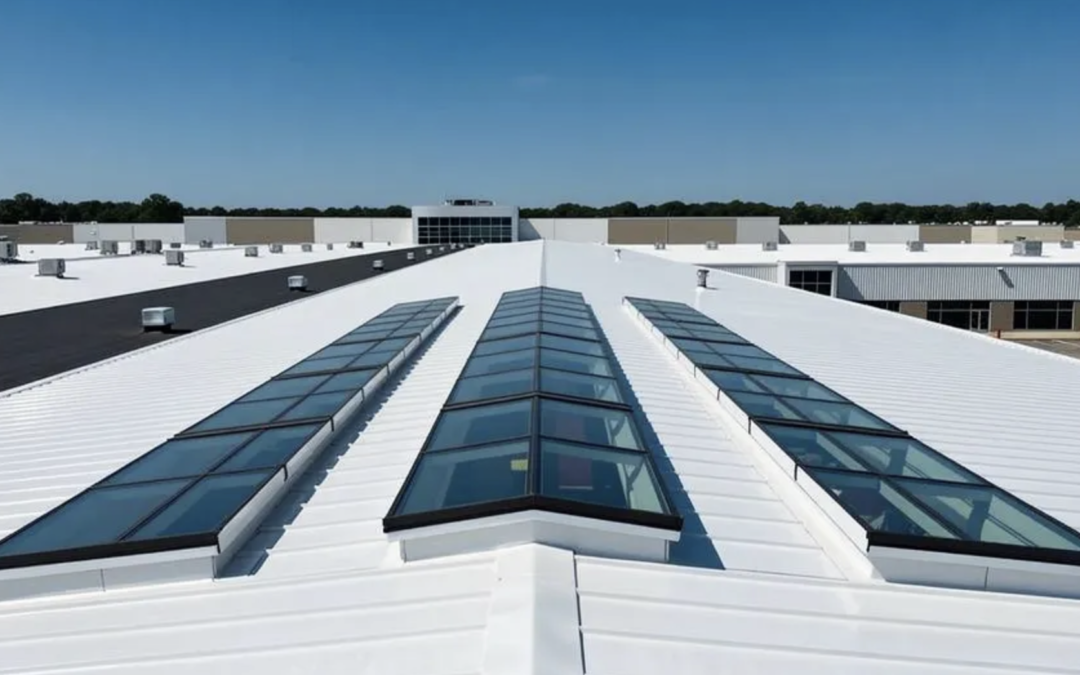
Energy Efficient Commercial Skylights Transforming Minnesota Businesses: Benefits, Types, and Installation Insights
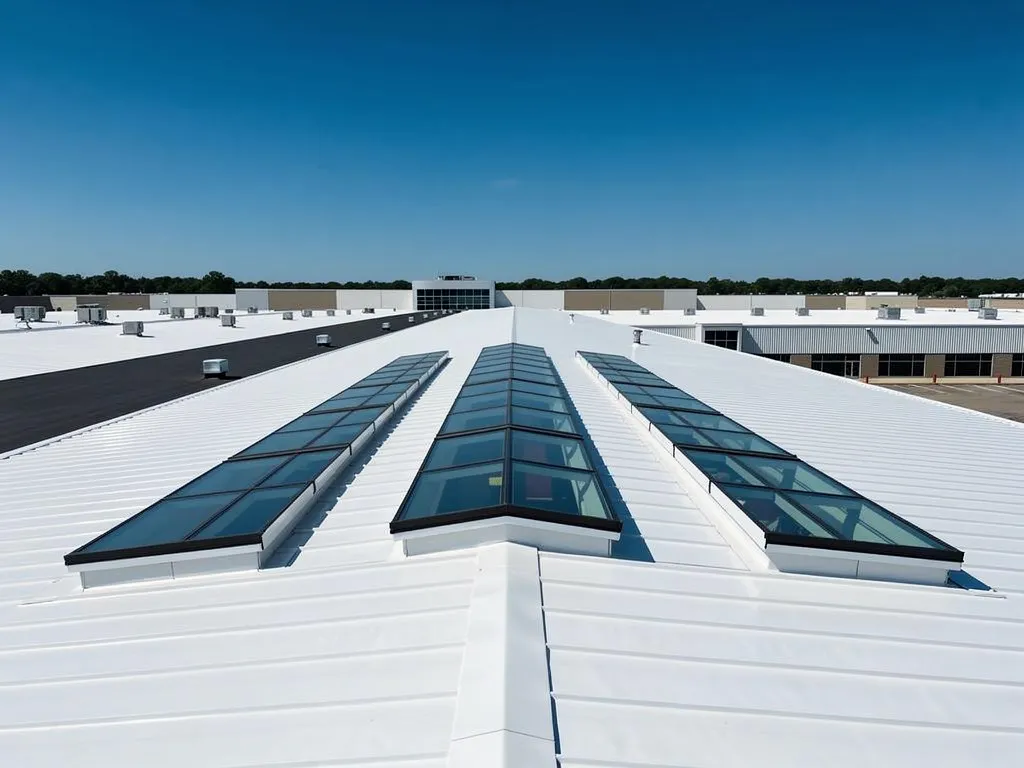
Minnesota businesses face rising energy costs and often rely on artificial lighting up to 70 percent of daylight hours, driving operational expenses and reducing occupant comfort. Energy efficient commercial skylights in Minnesota offer a clear solution by harnessing natural daylight, cutting lighting and HVAC bills while enhancing workplace productivity. This guide explains why daylighting solutions matter, highlights key energy-saving features, compares dome, tubular and flat glass systems, and outlines expert installation practices in Minneapolis and St. Paul. Building on Allweather Roof’s nearly century-long roofing and skylight expertise, readers will discover maintenance strategies, real local case studies, and decision criteria for selecting a trusted commercial skylight partner.
Why Are Energy Efficient Commercial Skylights Essential for Minnesota Businesses?
Energy efficient commercial skylights maximize natural illumination and reduce dependency on electric lighting, delivering significant cost savings. By integrating controlled glazing technology and insulated frames, these daylighting solutions can cut lighting energy usage by 20–60 percent, directly lowering monthly utility bills and carbon footprints. The following subtopics explore cost reduction mechanisms, employee well-being benefits, and sustainable design alignment.
How Do Skylights Reduce Energy Costs in Commercial Buildings?
Energy efficient skylights reduce electricity consumption by replacing artificial lighting during peak daylight hours. Low-emissivity coatings on the glazing minimize unwanted heat gain in summer and heat loss in winter, stabilizing indoor temperatures and easing HVAC loads. By admitting balanced daylight, skylights allow businesses to dim or switch off fixtures for up to eight hours daily, resulting in annual lighting savings of up to 20 percent. This direct reduction in kilowatt-hour demand translates into lower utility bills and a faster return on investment for building owners. Understanding these energy flows guides designers toward optimal daylight distribution and cost control.
What Impact Does Natural Daylighting Have on Employee Productivity and Well-being?
Natural light enhances mood, reduces eye strain and aligns circadian rhythms, promoting focus and alertness among employees. Studies indicate a 15 percent increase in reported well-being and up to 20 percent higher productivity in spaces with quality daylight integration. By reducing glare and providing a consistent light spectrum, skylights create healthier indoor environments that encourage occupancy and lower absenteeism rates. Improved occupant satisfaction also supports talent retention and fosters a positive corporate image. Recognizing these human-centered outcomes helps decision-makers justify daylighting investments beyond mere cost savings.
How Do Energy Efficient Skylights Support Sustainable Building Design in Minnesota?
Energy efficient skylights contribute to green building certifications such as LEED, WELL and BREEAM by earning points for daylight harvesting, indoor environmental quality and energy performance. High-performance glazing systems achieve low U-values and controlled solar heat gain coefficients, aligning with Minnesota’s strict energy codes. Incorporating daylighting devices reduces carbon emissions and demonstrates commitment to environmental stewardship, a key consideration for architects and consultants. As sustainability gains priority in corporate strategy, skylights emerge as critical components in net-zero and healthy building frameworks. These certified solutions underscore a facility’s competitive edge and long-term operational resilience.
What Are the Key Features of Energy Efficient Commercial Skylights?
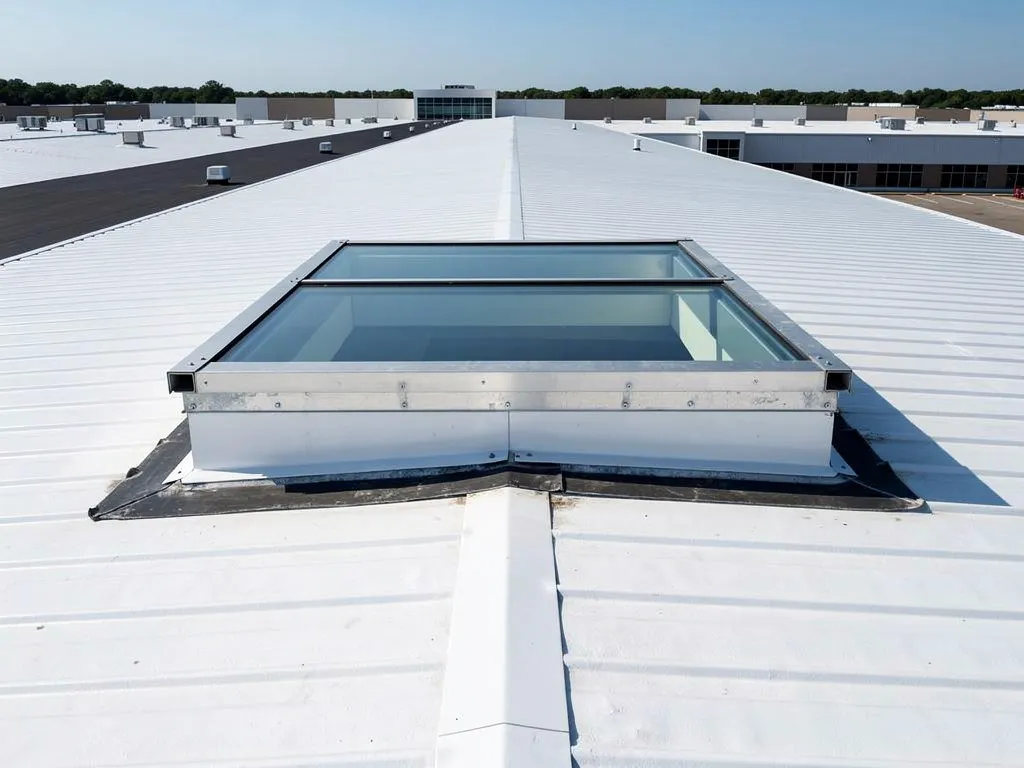
Energy efficient commercial skylights combine advanced glazing, insulated framing and design variations to optimize daylight and thermal performance. Critical features include low-emissivity coatings, argon-filled insulating layers and tubular reflectors to channel light deep into interior spaces.
The table below compares core attributes and their direct benefits.
| Glazing Technology | Performance Mechanism | Business Benefit |
| Low-E Coating | Reflects infrared heat, allows visible light | Reduces cooling/heating costs |
| Triple-Layer Insulated Glass | Argon gas fill between panes | Minimizes heat transfer and prevents condensation |
| Anti-Glare Diffuser | Scatters incoming rays uniformly | Improves occupant comfort and reduces glare |
How Do Low-E Coatings and Advanced Glazing Improve Skylight Performance?
Low-emissivity coatings on skylight glazing form a microscopically thin metallic layer that reflects infrared energy while transmitting daylight. This mechanism stabilizes indoor temperatures by reducing solar heat gain in summer and heat loss in winter, resulting in up to 25 percent HVAC savings. Advanced glazing systems—such as triple-layer and spectrally selective units—blend visible light transmission with superior thermal insulation. These technologies collectively support year-round comfort and predictable energy budgets, making them essential for Minnesota’s variable climate.
What Types of Frames and Insulation Enhance Skylight Energy Efficiency?
Thermally broken aluminum and composite frames paired with polyurethane or fiberglass insulation prevent conductive heat losses at the skylight perimeter. Frame systems with integrated thermal breaks block heat flow through the sill and curb mounts, while weather-tight seals protect against air infiltration. Choosing durable materials with high R-values preserves performance over decades, reducing maintenance needs. By combining robust frames and proper insulation, skylights maintain optimal daylight distribution without compromising energy control.
How Do Different Skylight Designs Affect Daylighting and Energy Savings?
Commercial skylight designs—domed, tubular and flat glass—offer distinct daylighting patterns and efficiency profiles. Dome systems capture diffuse light across wider angles, tubular daylighting devices concentrate and channel light through reflective tubes, and flat glass units deliver uninterrupted views and even illumination. Dome installations often suit large industrial roofs, tubular devices excel in narrow corridors, and flat glass skylights best complement modern architectural facades. Recognizing each design’s merits ensures tailored daylight solutions and maximum energy reductions.
Which Types of Commercial Skylights Are Best Suited for Minnesota Businesses?
Selecting the right skylight type depends on building use, roof structure and daylighting goals. Dome, tubular and flat glass skylights each address specific application challenges in Minnesota’s seasonal climate. The list below outlines core benefits to guide selection.
- Dome systems deliver 360-degree light capture, ideal for warehouses and manufacturing floors.
- Tubular daylighting devices optimize narrow or interior spaces where conventional skylights are impractical.
- Flat glass skylights integrate seamlessly into architectural profiles for offices and retail storefronts.
These options vary in installation complexity, daylight reach and thermal control, paving the way for customized design combinations suited to local conditions.
What Are the Benefits of Dome Skylights for Commercial Roofs?
Dome skylights feature rounded acrylic or polycarbonate shells that diffuse light evenly across broad areas. Their geometry captures both direct and indirect daylight, reducing shadow zones and minimizing energy use. Impact-resistant materials protect against hail and debris, and integrated flashing kits ensure leak-proof performance. In large-bay applications, dome systems reduce the number of roof penetrations needed for adequate illumination and deliver durable, maintenance-friendly solutions.
How Do Tubular Daylighting Devices (TDDs) Optimize Interior Lighting?
Tubular daylighting devices use reflective tubing to funnel sunlight from a roof-mounted collector into interior spaces. These systems excel in corridors, restrooms and small offices where traditional skylights cannot fit. A low profile on the exterior reduces wind loads and thermal losses, while high-gloss tube interiors preserve up to 90 percent of captured light. TDDs often eliminate dark spots and provide consistent brightness with minimal roof intrusion, improving energy outcomes in compact areas.
Why Choose Flat Glass Skylights for Modern Commercial Buildings?
Flat glass skylights employ laminated or tempered glass panels set within thermally broken frames to deliver uniform daylight and visual transparency. Their low-profile appearance aligns with contemporary architecture, while high-performance coatings control solar heat gain. Glass options include tinted, reflective and fritted varieties for glare management and privacy. These systems maintain structural rigidity and aesthetic appeal, making them popular choices for offices, showrooms and hospitality venues.
What Are the Differences Between Curb-Mounted and Deck-Mounted Skylight Systems?
Curb-mounted skylights are installed on raised wood or metal curbs built above the roof deck, providing easier flashing integration and enhanced insulation. Deck-mounted units attach directly to the roof membrane for a lower profile but require precise roofing transitions to ensure watertight seals. Curb-mounted configurations typically offer better thermal breaks and maintenance access, while deck-mounted options streamline installation and reduce material costs. Selecting between these systems hinges on roof type, maintenance priorities and energy code requirements.
How Does Allweather Roof Ensure Expert Commercial Skylight Installation in Minneapolis and St. Paul?
Allweather Roof leverages nearly a century of commercial roofing experience to deliver reliable skylight installation services across Minnesota. Certified technicians follow manufacturer guidelines for flashing, sealing and insulation to maintain warranty compliance. Their 24/7 emergency response capability minimizes business disruptions during critical repairs. Next, the installation process and quality controls illustrate why Allweather Roof stands out as a trusted partner.
What Is the Step-by-Step Process for Commercial Skylight Installation?
The installation workflow begins with a thorough roof inspection to assess structural support and membrane condition. After precise curb construction or deck preparation, technicians install the skylight, integrate flashing components and apply weather-resistant sealants. A detailed inspection follows to verify airtight seals and proper drainage. Final performance testing confirms daylight distribution and absence of leaks. This systematic approach ensures consistent quality and long-term reliability.
Why Is Certification and Experience Important for Skylight Contractors?
Certification guarantees that installers are trained on specific skylight systems and adhere to strict manufacturer standards, safeguarding warranties and performance. Experienced contractors anticipate challenges such as roof slope, membrane compatibility and structural limitations. Their knowledge reduces installation errors, prevents costly callbacks and extends the service life of daylighting devices. By choosing certified professionals, businesses protect investments and maintain consistent energy savings.
How Does Allweather Roof Provide Customized Skylight Solutions for Minnesota Businesses?
Allweather Roof collaborates with architects and facility managers to tailor skylight selections based on building geometry, occupancy patterns and energy targets. Their team evaluates daylight requirements, structural constraints and aesthetic goals to recommend dome, tubular or flat glass configurations. Customized flashing details, insulation levels and glazing options ensure optimal energy performance. This client-focused process delivers daylighting solutions aligned with each business’s operational and sustainability objectives.
How Can Minnesota Businesses Maintain and Repair Energy Efficient Commercial Skylights?
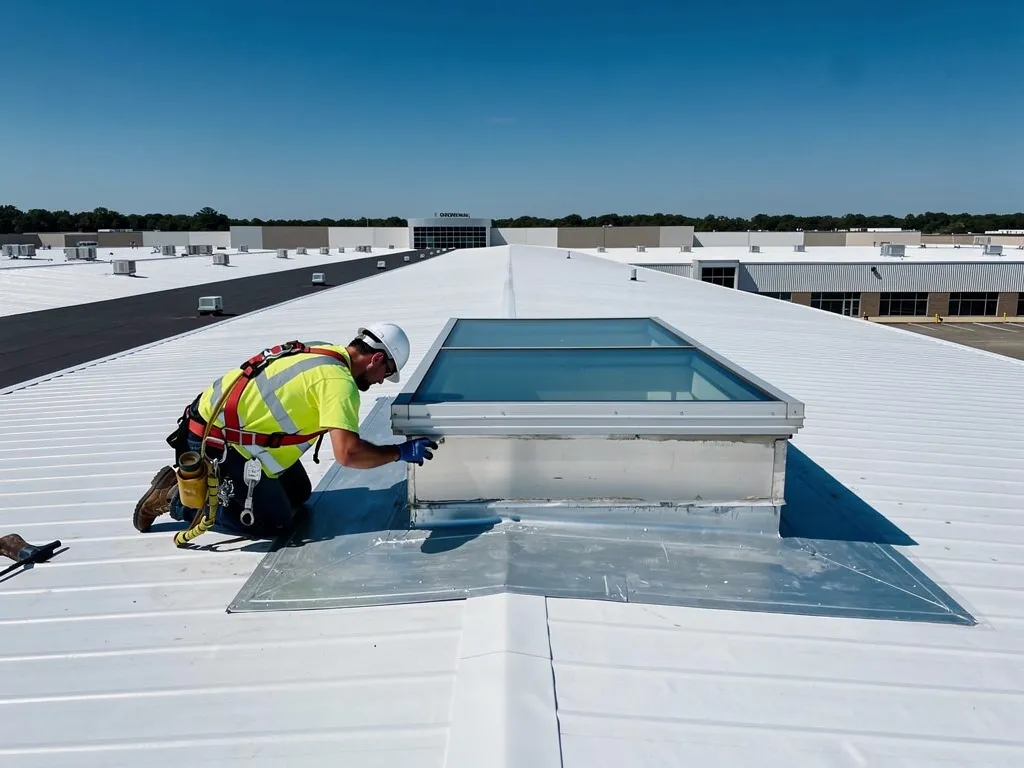
Routine maintenance preserves skylight integrity and prevents costly leaks, ensuring consistent energy performance. Allweather Roof’s maintenance guidance emphasizes seasonal inspections and timely repairs. The following sections outline best practices, repair triggers and longevity strategies.
What Are Common Maintenance Practices to Prevent Skylight Leaks?
Regularly inspect seals, flashing and frame interfaces for gaps or deterioration, especially after severe weather. Clear debris from curb tops and check drainage channels to avoid ponding water. Re-seal perimeters with high-quality elastomeric caulks annually and replace damaged gaskets promptly. Scheduled cleaning of glazing surfaces prevents dirt build-up that can obscure light and accelerate material degradation. Consistent upkeep maintains watertight performance and daylight quality.
When Is Commercial Skylight Repair Necessary and How Is It Performed?
Repair becomes necessary when evidence of moisture intrusion appears as stains, mold or pooling water beneath the skylight. Technicians remove interior finishes to locate leak paths, then replace failing seals or flashing components. Cracked or delaminated glazing units may require full skylight replacement to restore energy efficiency. Post-repair testing verifies leak elimination and proper daylight diffusion. Timely interventions minimize structural damage and uphold warranty coverage.
How Does Regular Maintenance Extend the Lifespan of Commercial Skylights?
Proactive upkeep safeguards glazing performance, frame integrity and flashing seals, slowing thermal stress and material fatigue. Well-maintained skylights retain low-E coatings and insulation properties, preserving energy savings over decades. Early issue detection prevents secondary roof membrane damage and interior restoration costs. By scheduling bi-annual inspections and minor repairs, businesses maximize the return on their daylighting investment and sustain occupant comfort.
What Are Real Minnesota Business Success Stories Using Energy Efficient Commercial Skylights?
Local case studies demonstrate quantifiable energy reductions and employee benefits from daylighting installations. The following examples illustrate real-world outcomes for Minnesota facilities.
How Did a St. Paul Manufacturing Facility Achieve 25% Lighting Energy Reduction?
A manufacturing plant in St. Paul replaced outdated roof panels with dome skylights featuring low-E glazing and insulated frames. Post-installation monitoring showed a 25 percent drop in lighting energy consumption during daytime operations, saving thousands of dollars annually. The facility also reported more uniform illumination across workstations, reducing shift-handing errors and boosting productivity. This outcome highlights the operational advantages of tailored skylight solutions.
What Productivity Improvements Were Reported by a Minneapolis Office After Skylight Installation?
A mid-town Minneapolis office integrated flat glass skylights into its central atrium, providing balanced daylight to open workspaces. Employee surveys revealed a 15 percent increase in reported focus and a 10 percent decline in midday fatigue. The improved natural light reduced overhead lighting needs by 40 percent, fostering a healthier environment and stronger team engagement. These productivity gains underscore skylights’ role in enhancing occupant well-being.
How Do Local Case Studies Demonstrate Cost Savings and Sustainability Benefits?
Combined results from multiple Minnesota businesses show average lighting energy savings of 20–30 percent and HVAC reductions of 5–10 percent, contributing to measurable carbon footprint decreases. Facility managers praise long-term durability and low maintenance demands, while sustainability officers leverage daylighting achievements for green building certifications. Such documented successes provide compelling evidence for investing in energy efficient skylights across commercial sectors.
What Should Minnesota Businesses Consider When Choosing an Energy Efficient Commercial Skylight Partner?
Selecting the right partner involves evaluating experience, service scope and integration capabilities. Allweather Roof’s unique value propositions align with these decision criteria to ensure optimal results.
Why Choose Allweather Roof for Commercial Skylight Installation and Repair?
Allweather Roof has served Minnesota since 1925, combining certified technicians, 24/7 emergency support and custom daylighting designs. Their deep understanding of local climate challenges ensures precise seal installation and energy performance compliance. A focus on quality materials and workmanship delivers reliable warranties and long-term client trust. As a comprehensive commercial roofing contractor, Allweather Roof integrates skylight services seamlessly with roof repair and maintenance plans.
How Do Energy Efficient Skylights Integrate with Commercial Roof Repair and Maintenance?
Integrating skylight installation with roof repair allows simultaneous membrane replacement, curb flashing upgrades and insulation enhancements. This coordinated approach prevents roof penetrations from becoming future leak sites and optimizes project schedules. Bundling services reduces overall labor costs and minimizes disruptions to business operations. By managing both roofing and daylighting needs, contractors ensure cohesive system performance and simplified maintenance workflows.
What Questions Should You Ask Your Commercial Skylight Contractor?
Before signing a contract, businesses should inquire about:
- Installer Certifications: Do technicians hold manufacturer or trade association credentials?
- Warranty Coverage: What warranties apply to glazing, frames and workmanship?
- Energy Performance Data: Can the contractor provide expected U-values and SHGC ratings?
- Maintenance Plans: Are inspection schedules and service agreements offered?
- Project References: Have they completed similar installations in the Twin Cities area?
These queries clarify expertise, set expectations and protect project outcomes.
Frequently Asked Questions About Energy Efficient Commercial Skylights in Minnesota
Are Commercial Skylights Truly Energy Efficient?
Modern commercial skylights with low-E glazing and insulated frames can reduce daytime lighting energy use by up to 60 percent and lower heating and cooling loads through controlled solar gain.
Which Types of Businesses Benefit Most from Energy Efficient Skylights?
Retail stores, warehouses, office buildings, educational institutions and healthcare facilities gain the greatest advantages from daylighting, enjoying cost savings, improved occupant health and stronger sustainability credentials.
How Often Do Commercial Skylights Require Maintenance?
A bi-annual inspection of seals, flashing and glazing is recommended to prevent leaks and preserve energy performance, with minor resealing or gasket replacement as needed.
How Do Skylights Help Reduce HVAC and Lighting Costs?
By delivering balanced daylight, skylights allow businesses to dim or deactivate electric lights for several hours, and specialized coatings stabilize indoor temperatures, alleviating HVAC demand.
What Are the Best Skylight Options for Different Roof Types in Minnesota?
Dome systems suit large industrial flat roofs, tubular devices excel in interior corridors and low-profile deck-mounted units fit lightweight membrane roofs, balancing daylighting goals with structural requirements.
Minnesota businesses seeking significant energy reductions and enhanced occupant well-being can unlock the power of natural daylight through expertly installed, energy efficient commercial skylights. With nearly 100 years of local service, Allweather Roof combines certified expertise, comprehensive roofing integration and tailored daylighting designs to deliver durable, high-performance solutions. By evaluating glazing features, installation processes and maintenance plans, facility managers ensure sustained savings and comfort. Reach out to Allweather Roof today to explore how energy efficient skylights can transform your commercial property.
Conclusion
Energy efficient commercial skylights represent a strategic investment for Minnesota businesses seeking to reduce operating costs, enhance occupant well-being, and meet sustainability goals. From dome and tubular systems to flat glass designs, each skylight type offers distinct advantages tailored to specific building needs and roof configurations. Advanced glazing technologies, thermally broken frames, and proper installation practices ensure consistent energy performance through Minnesota’s demanding seasonal climate.
Allweather Roof’s nearly century-long expertise in commercial roofing and daylighting solutions positions them as the trusted partner for businesses across Minneapolis, St. Paul, and the greater Twin Cities area. By integrating skylight installation with comprehensive roof repair and maintenance, facility managers can protect their investment and sustain long-term energy savings. Scheduling routine inspections and addressing repairs promptly keeps skylights performing at their peak for decades to come.
For Minnesota businesses ready to harness the full potential of natural daylight, partnering with a certified, experienced contractor is the critical first step toward a brighter, more energy efficient commercial property.