
The Definitive Guide to Commercial Roofing Durability: Maximize Lifespan, Performance & ROI
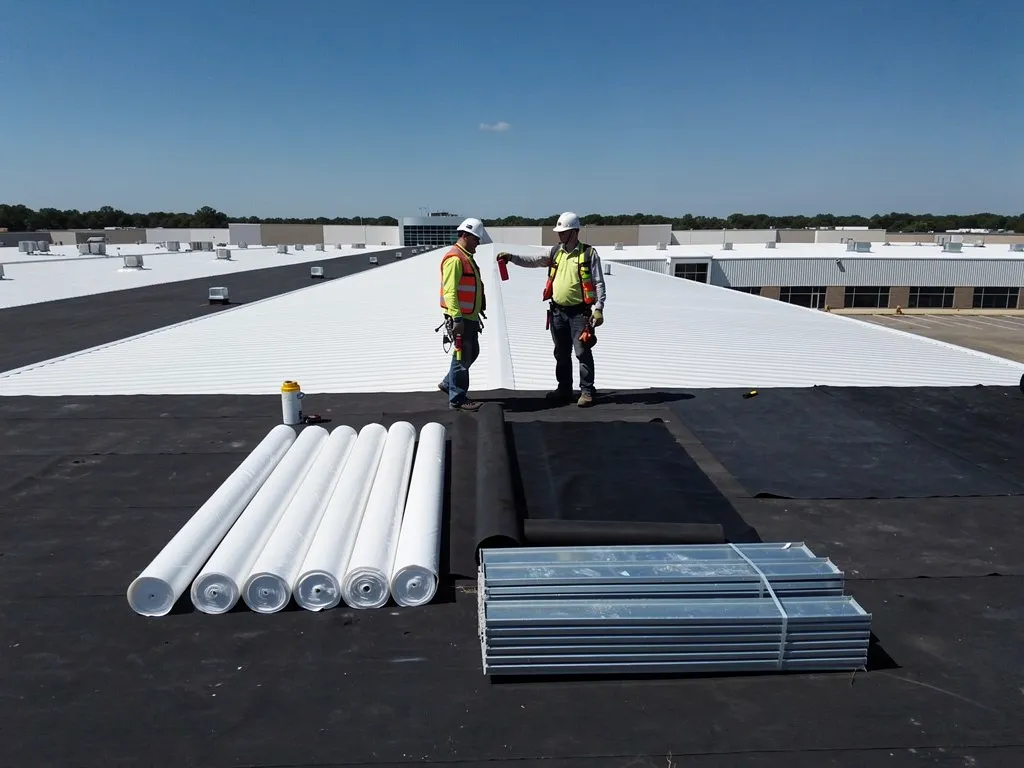
Your commercial roof isn’t just a cover; it’s a critical asset protecting your entire operation. But how do you ensure it stands the test of time, weather, and wear? The answer lies in understanding durability – a complex interplay of material science, expert installation, and diligent care.
This isn’t just another list. This is your comprehensive guide to navigating the world of commercial roofing materials. We’ll dive deep into TPO, Modified Bitumen, EPDM, Metal, Built-Up, PVC, and SPF systems, giving you the actionable insights you need to make informed decisions. From comparing lifespans and performance under extreme conditions to mastering maintenance and exploring cutting-edge technologies, we’ll equip you to safeguard your investment, minimize costly downtime, and ensure your roof performs optimally for decades. Ready to build a roof that truly lasts?
What You’ll Discover Inside:
- Foundational durability factors: material quality, installation, environment, design, maintenance
- Thermoplastic Polyolefin (TPO) roofing: composition, lifespan, UV/chemical resistance, energy savings, upkeep
- Modified Bitumen roofing: SBS vs. APP, resilience, typical life, weather and traffic resistance, repairs
- EPDM roofing: synthetic rubber features, ozone/UV endurance, puncture resistance, energy performance, common issues
- Metal roofing: steel, aluminum, copper, zinc properties, fire/wind resistance, reflectivity, costs
- Built-Up Roofing (BUR): multi-ply construction, waterproofing, UV defense, maintenance
- PVC vs. Spray Polyurethane Foam (SPF): chemical resistance, insulation, seamless coverage, life extension
- Comparative analysis: lifespans, durability ratings, cost per square foot, climate suitability, energy efficiency
- Maintenance protocols: inspection frequency, minor repairs, coatings, drainage care, professional contractor roles
- Innovations: sensor monitoring, drone inspections, self-healing membranes, green and recyclable materials
What Are the Key Factors Affecting Commercial Roofing Materials Durability?
How Do Material Quality and Type Influence Roof Lifespan?
At the heart of any durable roof lies the inherent quality of its materials. This isn’t just about what it’s made of, but how well it’s made – its intrinsic resistance to the relentless forces of wear, UV degradation, chemical exposure, and thermal cycling. Think of high-grade single-ply membranes like TPO and EPDM, engineered with advanced UV stabilizers and reinforced scrims to shrug off punctures. Or modified bitumen, enhanced with SBS or APP modifiers for superior elasticity and thermal resilience. Simply put, investing in superior raw polymers and additives directly translates into an extended service life and significantly reduced maintenance demands.
But even the best materials can fall short without precision. Let’s transition from material properties to installation precision, revealing how workmanship magnifies or, unfortunately, undermines these intrinsic qualities.
What Role Does Installation Quality Play in Roof Durability?
Even the highest-quality materials are only as good as their installation. Proper, meticulous installation is paramount, ensuring continuous waterproofing, uniform adhesion, and critical stress relief across the entire membrane. This means flawless seam welding for TPO, precise, controlled torch-application for APP, and meticulous flashing at every penetration point. These aren’t just steps; they’re safeguards against water intrusion—the primary culprit behind premature membrane failure. By choosing certified installers who rigorously follow manufacturer protocols, you eliminate the weak points that would otherwise accelerate deterioration and compromise your roof’s longevity.
Once installed, your roofing system faces relentless environmental assaults that truly test its endurance.
How Do Environmental Conditions Affect Commercial Roof Longevity?
Your roof is constantly battling the elements. Climatic factors like relentless UV radiation, dramatic thermal cycling, powerful wind uplift, sudden hail impact, and persistent precipitation are not just weather events; they are drivers of progressive material degradation. Understanding their impact is key:
- UV Exposure: The sun’s rays relentlessly break down polymer chains, leading to embrittlement and cracking over time.
- Temperature Extremes: Constant expansion and contraction cycles stress seams and flashing, creating vulnerabilities.
- Wind and Hail: These forces can initiate immediate surface damage, punctures, and even structural compromise.
- Moisture and Freeze-Thaw: Water infiltration promotes substrate deterioration, while freezing and thawing cycles exacerbate damage and lead to water ponding.
For roofs in high-UV, cold-freeze zones, or hail-prone regions, selecting membranes specifically rated for these stressors is non-negotiable. Often, reflective coatings or impact-resistant enhancements become vital allies in the fight for longevity.
While smart material selection and expert workmanship address many environmental threats, consistent, regular upkeep remains absolutely essential to intercept early damage before it escalates.
Why Is Regular Maintenance Crucial for Extending Roof Lifespan?
Think of regular maintenance not as an expense, but as a critical investment in your roof’s future. Consistent, proactive maintenance is your first line of defense, allowing you to identify and remediate minor defects—like loose ballast, clogged drains, or subtle seam separation—long before they escalate into costly leaks and catastrophic structural damage. Scheduled cleaning isn’t just about aesthetics; it removes debris that accelerates wear, while timely coat applications restore vital reflectivity and UV protection. A thorough audit of flashing, penetrations, and safety anchors every six months, or immediately after major weather events, is non-negotiable. This vigilance extends membrane performance, preserves your investment, and prevents the nightmare of premature roof replacement.
Beyond maintenance, a roof’s resilience is also profoundly shaped by its foundational building design.
How Does Building Design Impact Commercial Roofing Durability?
Often overlooked, building design plays a profound role in your commercial roof’s long-term durability. Factors like roof slope, the efficiency of your drainage layout, the strategic placement of rooftop equipment, and even the substrate composition directly influence water runoff, load distribution, and membrane stress. For instance, low-slope roofs absolutely demand efficient drainage and tapered insulation to prevent destructive ponding. Similarly, rooftop units aren’t just placed; they require robust structural curbs and protective walk pads to prevent damage. A design that thoughtfully integrates proper fall, adequate parapet height, and effective overflow scuppers dramatically reduces ponding-related deterioration and prevents critical flash-point failures.
Ultimately, building design shapes durability outcomes as significantly as your choice of material and your commitment to maintenance.
TPO Roofing: The Modern Standard for Durability and Efficiency?
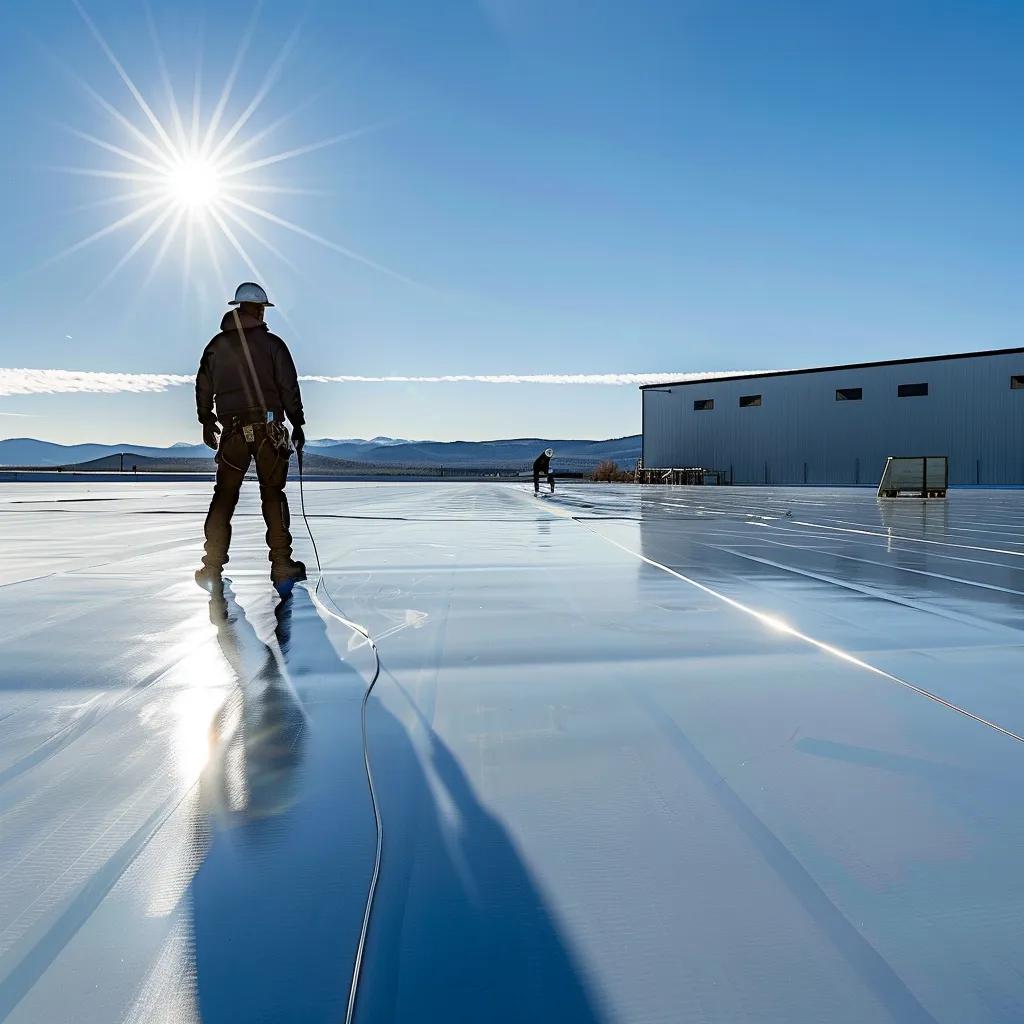
When it comes to modern commercial roofing, Thermoplastic Polyolefin (TPO) often leads the conversation. This single-ply membrane isn’t just durable; it’s engineered for performance, combining heat-weldable seams with advanced reflective pigmentation. The result? A robust system that masterfully balances superior UV resistance with impressive energy efficiency.
What Exactly Is TPO Roofing?
TPO is a sophisticated single-ply membrane, meticulously engineered from a blend of polypropylene and ethylene-propylene rubber. It’s reinforced with a strong polyester scrim and formulated with specialized UV-reflective pigments and heat-weldable thermoplastic layers. This unique composition allows for a truly seamless, heat-welded roof, boasting exceptional seam integrity and inherent energy-saving capabilities.
What’s the Expected Lifespan of a TPO Roof, and What Factors Influence It?
TPO roofing systems are designed for longevity, typically offering a lifespan ranging from 15 to 30 years. However, this impressive durability is contingent upon several critical factors:
- Membrane Thickness: Thicker membranes (e.g., 45–80 mil) generally offer greater resilience.
- Installation Quality: Expert installation is paramount for achieving the full potential lifespan.
- Maintenance Frequency: Regular upkeep significantly extends the roof’s life.
- Climate Exposure: Harsh environmental conditions can impact longevity.
As noted by A. Smith in the “Roofing Materials Durability Guide (2022),” “Thicker membranes and regular maintenance can extend this lifespan, particularly in moderate climates.” This underscores that while TPO offers excellent inherent durability, proactive choices and care are key to reaching the upper end of its service life.
How Does TPO Stand Up to UV Rays, Chemicals, and Punctures?
TPO’s reputation for durability isn’t accidental; it’s built on specific, powerful attributes:
- Exceptional UV Resistance: Its highly reflective topcoat actively reduces thermal aging, keeping the membrane stable under intense sun.
- Robust Chemical Resistance: The inert polymer composition effectively resists oils, greases, and a wide range of mild chemicals, crucial for many commercial environments.
- Superior Puncture Resistance: Thanks to its reinforcing scrim, TPO significantly impedes tear propagation, offering reliable protection against punctures.
These inherent properties ensure stable, reliable performance, even under routine rooftop traffic and cleaning activities.
What Energy Efficiency Benefits Does TPO Roofing Deliver?
Beyond its physical toughness, TPO is a champion of energy efficiency. Its signature white, reflective surface can achieve an initial solar reflectance greater than 80%, a remarkable feat that can lower rooftop temperatures by a significant 20–40°F. This dramatic reduction in heat gain directly translates into decreased HVAC demand, potentially slashing your energy costs by up to 15% in warmer climates. Over its entire service life, TPO’s “cool-roof” attributes also play a vital role in mitigating the urban heat-island effect, contributing to a more sustainable environment.
Common TPO Roofing Issues and Their Proactive Solutions:
While TPO is highly durable, understanding potential challenges and their solutions is key to maximizing its lifespan:
- Seam Separation: This is often preventable by ensuring only certified welders perform installations and by utilizing advanced infrared seam scanning for quality assurance.
- Membrane Shrinkage: Mitigate this by specifying appropriate scrim reinforcement and making the correct adhesive choice during installation.
- Punctures from Debris: Protect your investment by installing durable walk pads in all high-traffic zones on the roof.
- Wrinkling: Prevent this by meticulously controlling ambient moisture and ensuring substrate smoothness before installation begins.
Ultimately, proactive quality control and diligent, periodic seam inspections are your best tools for intercepting these issues early, preserving your roof’s integrity.
How to Maintain Your TPO Roof for Maximum Durability:
To truly lock in TPO’s impressive design lifespan and protect your investment, consistent maintenance is non-negotiable:
- Bi-annual Inspections: Conduct thorough inspections of all seams, flashings, and drain areas at least twice a year.
- Regular Cleaning: Promptly remove debris and perform gentle cleaning with manufacturer-approved detergents to prevent surface degradation.
- Coating Reapplication: Reapply reflective coatings every 5–7 years to restore UV protection and maintain energy efficiency.
- Immediate Repairs: Address any punctures or tears immediately with heat-welded patches to prevent water intrusion.
This consistent care preserves seam integrity and surface reflectance, ensuring your TPO roof performs optimally for decades.
Modified Bitumen Roofing: A Time-Tested Choice for Resilience and Longevity?
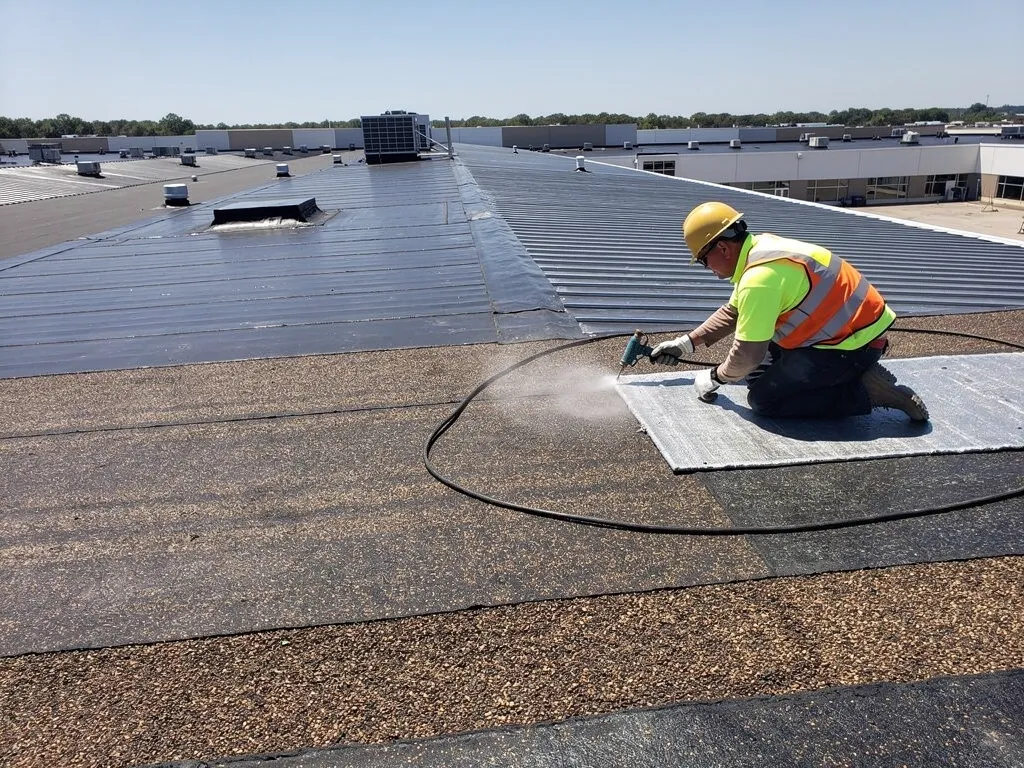
Modified Bitumen roofing systems represent a powerful evolution of traditional asphalt, merging it with advanced polymers to create incredibly resilient, flexible sheets. The result? A robust roofing solution engineered to withstand heavy foot traffic and the most severe weather conditions.
What Exactly Is Modified Bitumen Roofing, and What Are Its Key Types (SBS, APP)?
Modified Bitumen is essentially asphalt, but significantly enhanced with specialized polymers: either Styrene-Butadiene-Styrene (SBS) or Atactic Polypropylene (APP). These enhanced asphalt compounds are applied in multi-layer sheets, often via torch-applied systems. SBS modifiers impart a rubber-like flexibility, making the membrane highly elastic, while APP delivers a plastic-like toughness and superior UV stability. Understanding these distinctions is key to selecting the right system for your needs.
What’s the Typical Lifespan of Modified Bitumen Roofs?
Modified Bitumen roofs offer a solid lifespan, typically ranging from 10 to 25 years. SBS systems generally average 15–20 years in moderate climates, while APP membranes, especially when installed with reflective granules and subjected to regular seam inspections, can extend their service life to 20–25 years.
How Does Modified Bitumen Stand Up to Foot Traffic and Extreme Weather?
Modified Bitumen’s resilience is a key differentiator, making it an excellent choice for demanding environments. Its durability attributes include:
- Exceptional Foot Traffic Resistance: Thanks to high-tensile reinforcement and a robust granule surface, it significantly reduces wear from regular foot traffic.
- Superior Weather Resilience: The polymer modifiers ensure the membrane maintains its elasticity through harsh freeze-thaw cycles, preventing brittleness.
- Formidable Hail and Wind Defense: Its flexible sheets are designed to absorb impact energy without cracking, offering robust protection against hail and high winds.
These characteristics make Modified Bitumen particularly well-suited for maintenance zones and high-traffic rooftop service areas.
Common Modified Bitumen Issues and Their Effective Solutions:
Even with its resilience, Modified Bitumen can face specific challenges. Here’s how to address them proactively:
- Cracking: Combat this by using elastic sealants and reinforcing flashing terminations to accommodate movement.
- Blistering: Prevent blistering by ensuring proper substrate drying and meticulous vapor retarder installation.
- Granule Loss: Restore protection and aesthetics by applying new granule coatings or other protective surfacing.
- Seam Delamination: Detect and correct this early by conducting regular infrared surveys and expertly reheating seams as needed.
Timely, informed interventions are crucial for correcting early signs of distress and significantly prolonging your membrane’s life.
Essential Maintenance Practices to Extend Modified Bitumen Roof Longevity:
To maximize the lifespan of your Modified Bitumen roof, implement these key maintenance practices:
- Annual Infrared Moisture Scanning: Conduct yearly scans to detect trapped water, a silent killer of roof systems.
- Debris Removal & Resealing: Regularly remove debris and promptly reseal any penetrations to prevent water ingress.
- Protective Recoating: Recoat with reflective granules or elastomeric coatings to restore UV protection and enhance performance.
- Traffic Control: Implement traffic control measures, such as designated walk pads, to minimize wear in high-traffic areas.
This proactive upkeep is vital for mitigating polymer aging and preventing granule erosion, ensuring your roof remains robust for years.
What Are the Durability and Lifespan Characteristics of EPDM Roofing?
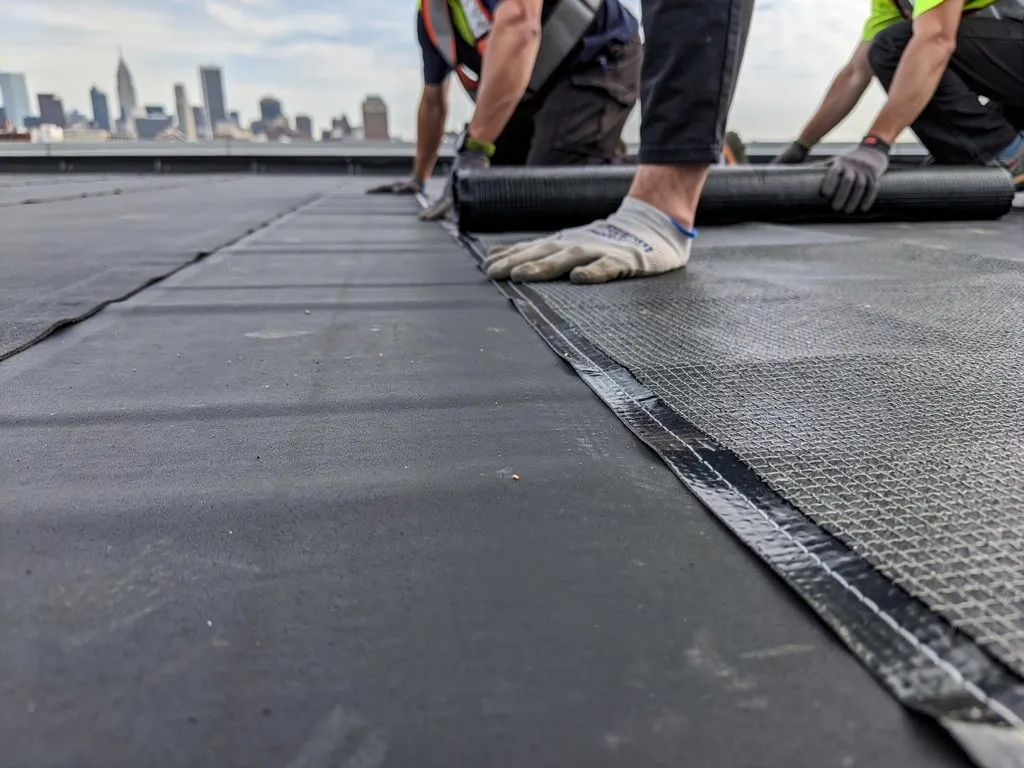
What Exactly Is EPDM Roofing, and What Are Its Defining Features?
Often referred to as a “rubber roof,” EPDM (Ethylene Propylene Diene Monomer) is a high-performance, single-ply synthetic rubber membrane. Available in both black and white formulations, it’s reinforced with a durable polyester scrim. Its robust polymer matrix is specifically engineered to resist ozone, UV decay, and extreme temperatures, while its remarkable high elongation allows it to gracefully accommodate building movement without compromising integrity.
How Long Do EPDM Roofs Typically Last, and What Factors Influence Their Lifespan?
EPDM roofing systems are renowned for their exceptional longevity, typically enduring an impressive 20–50 years. This wide lifespan range is influenced by several critical factors:
- Membrane Thickness: Thicker membranes (e.g., 45–90 mil) generally offer greater durability.
- Surface Color: White EPDM, with its enhanced reflectivity, often outperforms black EPDM in terms of longevity.
- Installation Integrity: Flawless installation is paramount for achieving the maximum lifespan.
- Maintenance Frequency: Consistent, proactive maintenance significantly extends the roof’s service life.
While black EPDM might last 20–30 years, white EPDM, especially when protected by reflective coatings, can truly approach 40–50 years in average climates, making it a long-term investment.
How Does EPDM Master UV, Ozone, and Temperature Extremes?
EPDM’s legendary durability isn’t just a claim; it’s a result of its inherent material properties, allowing it to excel in challenging conditions:
- Unrivaled UV and Ozone Resistance: Its stable rubber backbone is inherently resistant to photodegradation, ensuring long-term integrity under harsh sun and atmospheric conditions.
- Extreme Temperature Tolerance: EPDM remains remarkably flexible across a vast temperature range, from a frigid –40°F to a scorching 250°F, without succumbing to embrittlement.
- High Chemical Inertness: It effectively repels acids, alkalis, and most organic solvents, making it suitable for a variety of industrial environments.
These formidable attributes collectively secure EPDM’s consistent, high-performance across the most diverse climates.
EPDM’s Puncture Resistance and Remarkable Repairability:
While EPDM membranes offer good puncture resistance, thanks to their scrim reinforcement, what truly sets them apart is their exceptional repairability. Minor tears or punctures can be easily and effectively repaired using adhesive patches and pre-cut EPDM patches. Furthermore, specialized seam tapes and liquid adhesives enable swift, reliable field repairs that fully restore waterproofing, often without the need for extensive membrane replacement. This ease of repair significantly contributes to EPDM’s long-term cost-effectiveness.
How Does EPDM Roofing Boost Your Building’s Energy Efficiency?
EPDM isn’t just tough; it’s smart about energy. White or specially coated EPDM membranes are designed to reflect an impressive 70–80% of solar radiation. This significantly reduces roof temperatures and, consequently, slashes cooling loads by up to 12%. These reflective EPDM formulations not only enhance occupant comfort but also dramatically lower HVAC energy consumption, often qualifying for valuable cool roof rebates in numerous jurisdictions. It’s a win for your wallet and the environment.
Common EPDM Issues and Their Proactive Solutions:
While EPDM is incredibly resilient, being aware of potential issues and their solutions ensures its long-term integrity:
- Shrinkage: Mitigate shrinkage by specifying thicker scrim grades and meticulously controlling seam tension during installation.
- Seam Separation: Prevent this by applying factory-fabricated splice tapes and field adhesives strictly according to manufacturer specifications.
- Ponding Water: Address ponding by improving drainage systems or installing tapered insulation to create proper slope.
- Mold and Algae: Treat these with appropriate antimicrobial cleansers and apply protective coatings to inhibit future growth.
Strict adherence to these maintenance protocols is paramount for sustaining EPDM’s impressive long-term integrity.
Essential Maintenance Practices for EPDM Roof Durability:
To ensure your EPDM roof delivers its maximum lifespan, consistent, routine care is indispensable:
- Bi-annual Cleanings: Perform cleanings at least twice a year using non-ionic detergents to remove debris and contaminants.
- Post-Storm Inspections: Immediately inspect all seams and flashings after any major weather event to catch potential issues early.
- Regular Re-coating: Re-coat the membrane every 7–10 years to replenish vital UV protection and maintain performance.
- Prompt Patching: Address any observed tears or punctures immediately with appropriate patches to prevent water ingress.
This diligent routine care is what truly preserves EPDM’s polymer stability and ensures its long-term sealing performance.
Metal Roofing: The Ultimate Investment in Commercial Durability?
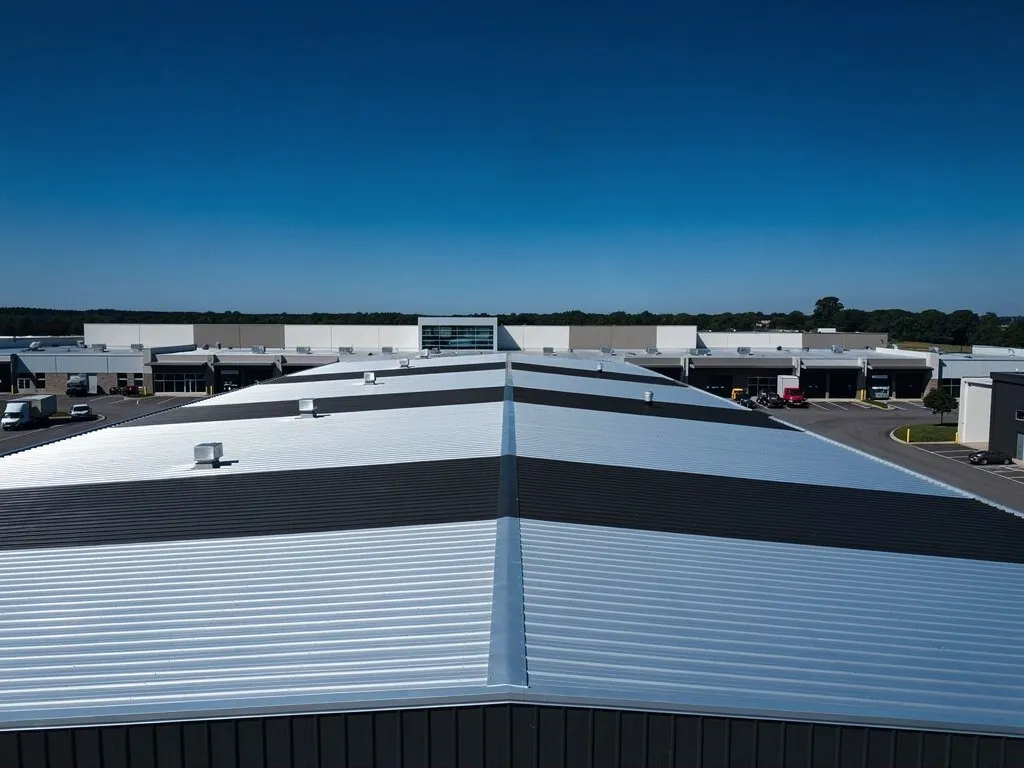
When long-term performance and unparalleled resilience are your top priorities, metal roofing systems stand in a league of their own. Whether it’s standing seam, corrugated panels, or premium copper and zinc sheets, metal roofs deliver exceptional durability, thanks to their inherent material strength and formidable corrosion resistance. This isn’t just a roof; it’s a generational asset.
What Types of Metal Roofing Are Best Suited for Commercial Applications?
The world of commercial metal roofing offers a variety of robust options, each with unique advantages:
- Galvanized Steel: A highly cost-effective and strong choice, often pre-painted for enhanced UV protection and aesthetics.
- Aluminum: Exceptionally lightweight and inherently corrosion-resistant, making it ideal for coastal or high-moisture environments.
- Copper: A premium, long-lasting material that develops a distinctive, protective patina over time, adding character and durability.
- Zinc: Known for its unique “self-healing” surface, zinc naturally resists corrosion and requires minimal upkeep, offering remarkable longevity.
Collectively, these metals form incredibly robust coverings, engineered to outperform traditional organic membranes by decades, offering unparalleled long-term value.
What’s the Expected Lifespan of Commercial Metal Roofs?
Metal roofing systems are truly built to last, boasting impressive lifespans that typically range from 40 to 70+ years, making them one of the most durable options available:
- Galvanized Steel: Expect 40–50 years with proper coatings and maintenance.
- Aluminum: Can last 50–70 years, particularly in non-polluted atmospheres.
- Copper and Zinc: These premium metals often exceed 70+ years, as their natural patina provides continuous protection from corrosion.
As B. Jones highlights in “Metal Roofing Systems: A Comprehensive Review (2023),” “The longevity of metal roofing is attributed to its inherent material strength and resistance to corrosion, especially when combined with protective coatings.” This underscores why metal roofing is considered a premier, long-term investment for commercial properties.
How Does Metal Roofing Provide Fortress-Like Resistance to Wind, Fire, Hail, and Corrosion?
Metal roofing isn’t just durable; it’s engineered to be a formidable shield against the most challenging elements:
- Unmatched Wind Resistance: Its interlocking panel systems are designed to withstand extreme gusts, often exceeding 140 mph, keeping your building secure.
- Superior Fire Resistance: As a non-combustible material, metal roofing consistently achieves Class A fire ratings, offering critical safety.
- Robust Hail Defense: The hard surface inherently resists denting, especially in thicker gauges, protecting against impact damage.
- Advanced Corrosion Protection: Galvanized, anodized, or specially coated surfaces actively repel moisture and salts, preventing rust and degradation.
These exceptional attributes collectively make metal roofing the ideal choice for harsh climates and mission-critical facilities where uncompromising protection is essential.
What Energy Efficiency and Reflectivity Benefits Do Metal Roofs Offer?
Beyond their physical strength, metal roofs are also champions of energy efficiency. Advanced “cool metal roof” coatings can reflect an impressive 65–75% of solar heat, significantly reducing rooftop temperatures and slashing your cooling loads by 10–20%. Furthermore, insulated metal panels, featuring built-in foam, deliver exceptionally high R-values, dramatically enhancing your building’s thermal performance year-round. This translates directly into substantial energy savings and a more comfortable interior environment.
Essential Maintenance to Maximize Your Metal Roof’s Longevity:
While metal roofs are incredibly durable, consistent maintenance is key to ensuring they deliver their full multi-decade lifespan:
- Annual Inspections: Conduct thorough yearly inspections of all fasteners, sealants, and flashings to catch issues early.
- Debris Removal & Gutter Cleaning: Regularly remove debris and keep gutters clear to prevent water accumulation and potential corrosion.
- Protective Touch-Ups: Promptly touch-up paint or re-coat any scratched areas to maintain corrosion protection.
- Panel & Seam Monitoring: Continuously monitor for any panel movement and reseal lap seams as needed to maintain watertight integrity.
This consistent attention actively preserves protective coatings and seam integrity, ensuring your metal roof remains a robust asset for decades to come.
How Do Built-Up Roofing (BUR) Systems Provide Proven Durability and Lifespan?
What Exactly Is Built-Up Roofing (BUR) and How Is It Constructed?
Built-Up Roofing (BUR) is a time-honored system, renowned for its robust, multi-layered construction. It typically consists of three to five plies of asphalt-impregnated felts or fabrics, meticulously laminated together with hot-applied bitumen. The system is then finished with a protective layer of gravel, mineral granules, or reflective coatings. This unique, layered assembly creates inherent redundancy in waterproofing and delivers exceptional toughness against mechanical stress, making it a highly reliable choice.
What’s the Typical Lifespan of BUR Roofs?
When properly installed and maintained, Built-Up Roofing systems offer a proven lifespan of 20–30 years. By selecting high-quality modified bitumen felts, utilizing durable mineral-surfaced cap sheets, and committing to routine membrane maintenance, it’s entirely possible to extend the life of your BUR system towards the upper end of this range, particularly in moderate climates.
How Does BUR Deliver Superior Waterproofing and UV Resistance?
BUR’s strength lies in its multi-layered defense. The inherent redundancy in its construction effectively blocks water infiltration, providing a robust barrier against leaks. Furthermore, the protective mineral or gravel surface acts as a shield, safeguarding the underlying asphalt layers from damaging UV radiation and abrasive foot traffic. The sheer mass of these bitumen layers also contributes to excellent thermal inertia and impressive resilience against ponding water, ensuring long-term performance.
Essential Maintenance Practices to Support BUR Durability:
To ensure your Built-Up Roofing system performs optimally for decades, consistent maintenance is crucial:
- Annual Inspections: Conduct yearly inspections to check for gravel displacement, blisters, and any issues with seam laps.
- Surface Restoration: Promptly replace any missing surfacing to prevent harmful UV exposure to the asphalt plies.
- Crack & Split Repair: Address cracks and splits immediately with hot-mopped bitumen and felt patches to maintain waterproofing.
- Drainage Management: Ensure all drains are clear to prevent ponding water, which can lead to saturation and deterioration of felt layers.
This regular attention to surface integrity is paramount for preserving BUR’s inherent waterproofing redundancy and extending its lifespan.
How Do PVC and Spray Polyurethane Foam (SPF) Roofing Materials Compare in Durability?
What Are the Key Durability Benefits of PVC Roofing?
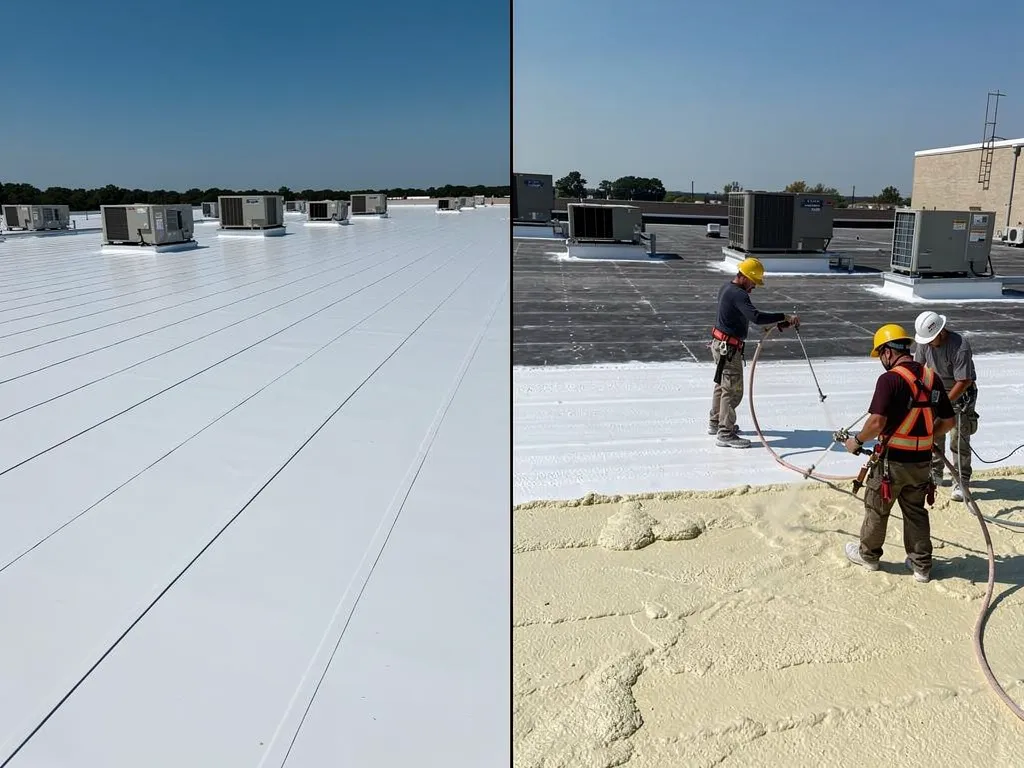
Polyvinyl Chloride (PVC) membranes are engineered for exceptional resilience, particularly in challenging environments. They offer high chemical resistance to a wide array of substances, including oils, greases, acids, and solvents. Beyond chemical fortitude, PVC delivers superior fire-resistant performance, consistently achieving Class A ratings. Its heat-welded seams create truly watertight bonds that actively resist biological growth and prevent membrane shrinkage, ensuring long-term integrity and performance.
What’s the Typical Lifespan of PVC Roofs?
PVC roofing systems are built for impressive longevity, typically lasting 20–30 years when installed correctly and maintained diligently. Advanced formulation enhancements, such as bi-axial scrims and thicker membranes (e.g., 60–80 mil), are designed to push the lifespan towards the upper end of this range, maximizing your investment.
Essential Maintenance for PVC Roof Durability:
To ensure your PVC roof delivers its full lifespan and maintains its robust performance, consistent upkeep is vital:
- Bi-annual Inspections: Conduct thorough inspections of all seams and flashings at least twice a year.
- Gentle Cleaning: Regularly clean surface contaminants gently to prevent chemical staining and degradation.
- Prompt Repairs: Immediately re-weld any loose seams and re-secure loose flashings to maintain watertight integrity.
- Coating Application: Apply reflective coatings as needed to maintain optimal solar reflectance and energy efficiency.
These proactive measures are crucial for preserving PVC’s exceptional chemical-resistant surface and ensuring its long-term seam integrity.
What Is Spray Polyurethane Foam (SPF) Roofing and Its Unique Durability Features?
Spray Polyurethane Foam (SPF) roofing offers a truly unique approach to commercial roof durability. It involves spraying a seamless foam layer directly onto the existing substrate, where it expands to fill every irregularity, creating a perfectly monolithic, insulated surface. This foam layer is then topped with durable elastomeric coatings for essential UV protection. The result is a seamless membrane that inherently resists wind uplift, prevents ponding water, and stands up remarkably well to foot-traffic abrasion.
How Does SPF Roofing Dramatically Enhance Energy Efficiency?
SPF roofing isn’t just durable; it’s an energy-saving powerhouse. Its continuous insulation delivers impressive R-values of up to R-7 per inch, creating an unparalleled, high-performance thermal barrier across your entire roof. When combined with reflective topcoats, SPF further reduces solar heat gain, often providing a remarkable 20–30% energy savings on cooling loads in hot climates. This translates directly into significant operational cost reductions and a more comfortable interior environment.
Essential Maintenance to Extend Your SPF Roof’s Lifespan:
To ensure your SPF roof delivers its maximum lifespan and maintains its superior performance, consistent maintenance is key:
- Annual Coating Inspections: Conduct yearly inspections of the protective coating and plan for recoats every 5–7 years.
- Prompt Repairs: Immediately repair any coating blisters or foam fissures using compatible materials to prevent water intrusion.
- Debris Removal: Regularly remove debris to prevent surface damage and maintain the coating’s integrity.
- Flashing & Penetration Resealing: Promptly reseal all flashings and roof penetrations to maintain a seamless, watertight barrier.
This consistent re-coating and proactive repair schedule is what truly preserves SPF’s vital UV barrier and ensures the long-term integrity of the foam insulation.
Commercial Roofing Materials: A Side-by-Side Comparison of Durability, Cost, and Performance
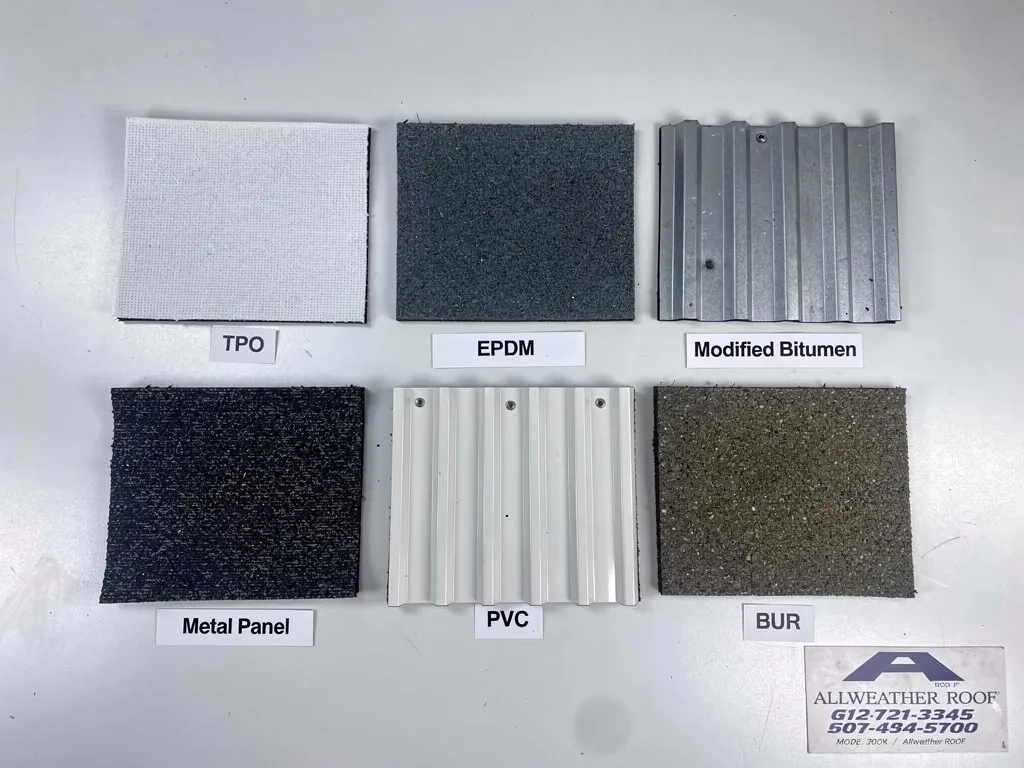
Choosing the ideal commercial roof is a strategic decision that demands a clear understanding of how different materials stack up. It’s about balancing lifespan, inherent durability features, energy performance, and the crucial factor of installed cost. To help you make an informed choice, here’s a comprehensive comparison of key metrics for common commercial roofing systems:
| Material | Average Lifespan (Years) | Durability Rating | Energy Efficiency | Installed Cost (USD/ft²) | Best Use Cases |
|---|---|---|---|---|---|
| TPO | 15–30 | High | High | 4.00–8.00 | Low-slope, reflective roofs |
| Modified Bitumen (SBS) | 10–20 | Moderate | Moderate | 3.50–7.50 | High-traffic zones, severe weather |
| EPDM | 20–50 | Excellent | Moderate to High | 3.00–6.00 | Budget-sensitive, cold climates |
| Metal (Steel/Al) | 40–70+ | Excellent | High | 6.00–12.00 | Long-term investment, windy regions |
| BUR | 20–30 | High | Low | 4.00–9.00 | Heavy ponding, redundancy requirements |
| PVC | 20–30 | High | High | 5.00–10.00 | Chemical-exposed sites |
| SPF | 20–30 | High | Excellent | 5.00–8.00 | Insulated assemblies, irregular decks |
Choosing the Right Material: Matching Your Roof to Your Climate and Building Use
The “best” roofing material isn’t universal; it’s the one that perfectly aligns with your specific environment and operational needs. Here’s a breakdown of material suitability by climate and building use:
- Hot, Sunny Regions: Opt for highly reflective TPO, PVC, or metal roofing to significantly reduce cooling loads and energy consumption.
- Cold Climates: EPDM and Built-Up Roofing (BUR) offer excellent thermal inertia and superior resilience against freeze-thaw cycles.
- Hail-Prone Zones: Metal roofing and thicker modified bitumen systems provide robust impact resistance against severe hail.
- Chemical Plants & Industrial Sites: PVC membranes are the go-to choice for their exceptional resistance to solvents, oils, and various chemicals.
- High Rooftop Traffic Areas: Modified bitumen with granules or EPDM with protective walk pads are ideal for areas with frequent foot traffic.
By meticulously aligning material properties with your site-specific stresses, you ensure targeted durability and optimal long-term performance for your commercial roof.
What Are Effective Maintenance Strategies to Maximize Commercial Roof Durability?
How Often Should Your Commercial Roof Be Inspected and Cleaned?
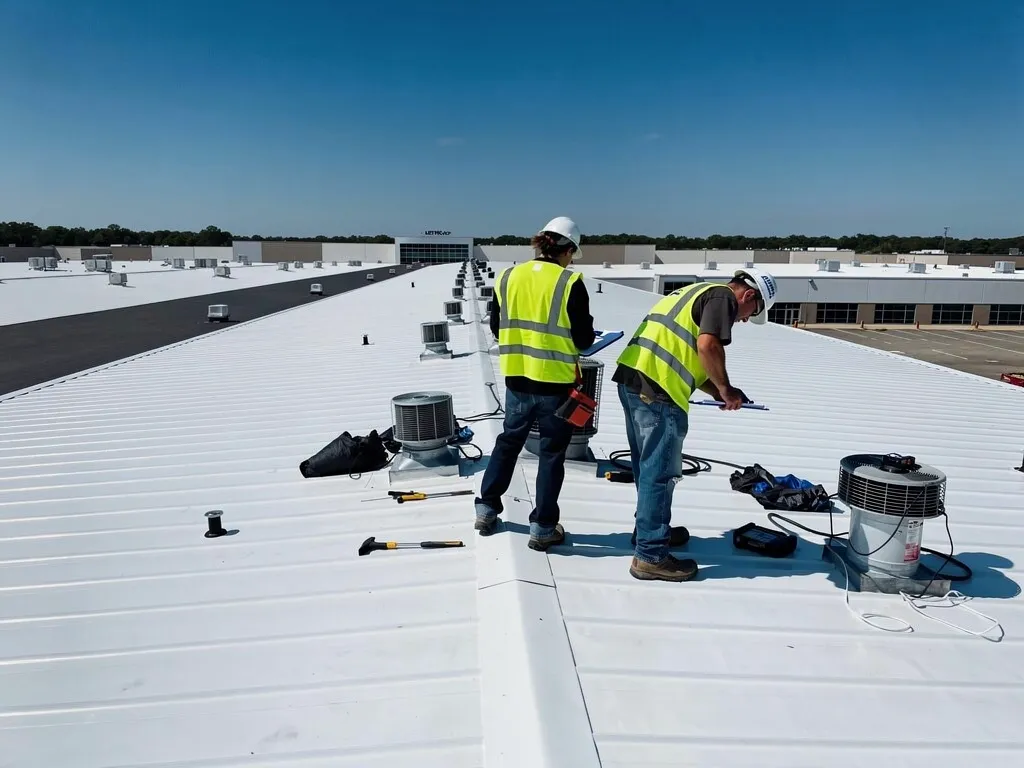
Proactive maintenance begins with a consistent schedule. Regular, thorough inspections should occur at least bi-annually, and critically, immediately after any major storm event. These inspections should meticulously focus on seams, flashings, drains, and the overall membrane condition. Beyond inspections, monthly cleaning to remove debris and eliminate ponded water is essential; this simple step prevents accelerated wear and inhibits harmful microbial growth, safeguarding your roof’s integrity.
What Are the Best Practices for Addressing Minor Repairs Promptly?
When it comes to roof durability, prompt action on minor repairs is absolutely critical. Timely attention to membrane punctures, subtle seam gaps, and flashing failures is your best defense against water infiltration and costly membrane delamination. Always use manufacturer-approved patch kits, perform heat-welded seam repairs, or apply compatible adhesives to meticulously restore waterproofing. Ignoring small issues allows them to rapidly escalate into major, expensive problems.
How Do Advanced Roof Coatings Boost Both Durability and Energy Efficiency?
Roof coatings are a powerful tool in extending your roof’s life and enhancing its performance. Elastomeric and reflective coatings, when expertly applied over existing membranes, do more than just restore UV protection; they actively seal minor cracks and can dramatically boost solar reflectance by up to 30%. These coatings also strategically extend maintenance intervals by creating an additional protective layer, shielding the underlying substrates from direct weather exposure and degradation.
Why Is Drainage System Maintenance Absolutely Vital for Roof Longevity?
Ponding water is a silent killer of commercial roofs. That’s why meticulous drainage system maintenance is non-negotiable. Ensure all scuppers, gutters, and internal drains are consistently clear to prevent water accumulation, which accelerates membrane aging and severely jeopardizes your insulation. Proactively installing debris guards and scupper hoods is a smart investment, preventing clogging and ensuring continuous, efficient water flow away from your roof surface.
How Professional Roofing Contractors Are Your Partner in Long-Term Durability:
While this guide empowers you with knowledge, the execution of a truly durable commercial roof demands professional expertise. Experienced roofing contractors are your indispensable partners, ensuring meticulous specification compliance, certified installations, advanced infrared moisture surveys, and comprehensive preventive maintenance programs. Partnering with reputable firms—like the dedicated team at All Weather Roof’s Minneapolis commercial roofing services—delivers not just expert inspections and timely repairs, but strategic system upgrades that actively preserve and enhance your asset’s value over decades. It’s the peace of mind that comes from knowing your roof is in expert hands.
Decades of real-world case studies unequivocally confirm this truth: the systematic selection of durable materials, adherence to rigorous installation standards, and disciplined, proactive maintenance practices yield profound returns on commercial roofing investments. By applying the comprehensive durability comparisons, insightful cost analyses, proven maintenance protocols, and forward-looking emerging technology insights presented in this guide—and crucially, by leveraging the unparalleled professional support from a trusted partner like All Weather Roof’s Minneapolis commercial roofing team—you can confidently maximize your roof’s service life, dramatically minimize lifecycle costs, and ensure robust, weather-proof performance that protects your business for years, even decades, to come. Your roof is an investment; let’s make it last.