
Emergency Flat Roof Repair Services in Minnesota – 24/7 Urgent Commercial Roofing Solutions
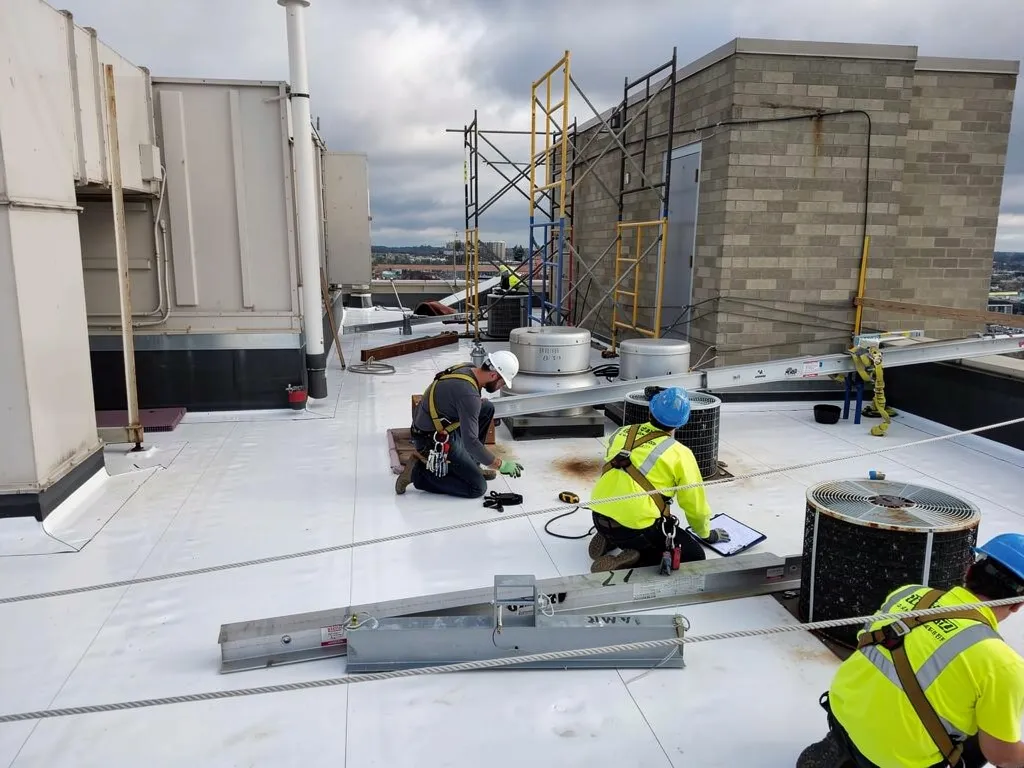
Emergency flat roof repair services in Minnesota demand rapid action to prevent water intrusion, structural compromise, and business interruption for commercial properties. Allweather Roof’s 24/7 emergency response integrates advanced diagnostics and interim tarping with permanent repairs, ensuring minimal downtime for property managers, architects, contractors, and facility owners across the Midwest. This article covers why immediate intervention matters, the step-by-step repair process, common emergency scenarios, specialized solutions for TPO, EPDM, and modified bitumen systems, criteria for selecting a trusted provider, owner responsibilities during a crisis, and key considerations that building owners frequently ask about urgent flat roof repairs.
Why Is Immediate Emergency Flat Roof Repair Critical for Minnesota Businesses?
Immediate emergency flat roof repair prevents minor leaks from evolving into major structural failures, safeguarding commercial assets and operational continuity. Rapid intervention limits moisture infiltration, protects interior finishes and inventory, and maintains a safe working environment during Minnesota’s extreme weather cycles. Acting promptly also reduces long-term repair costs by avoiding extensive substrate damage and corrosion.
What Are the Risks of Delaying Flat Roof Leak Repairs?
Delaying a flat roof leak repair allows pooled water to penetrate insulation and decking layers, leading to mold growth, degraded thermal performance, and eventual deck rot. Extended exposure to moisture undermines seam adhesives and membrane integrity, increasing the likelihood of widespread failure. For commercial building owners, these hidden damages escalate repair budgets and can trigger health and safety code violations. Early leak detection and patching preserve the roof’s design service life and shield tenant operations from costly disruptions.
How Does Roof Damage Impact Business Operations and Safety?
Roof damage—and the water intrusion it enables—can halt production lines, damage sensitive equipment, and pose slip-and-fall hazards in occupied spaces. Unaddressed leaks may trigger electrical short circuits and fire risks in mechanical rooms. Professional emergency repairs restore watertight conditions, preventing project delays and liability concerns. Maintaining a secure roofing envelope is essential for uninterrupted logistics, customer access, and employee wellbeing.
What Structural Damages Can Result from Untreated Flat Roof Emergencies?
Even small punctures can propagate into major deck failures when trapped water saturates structural steel or wood components. Continuous moisture weakens roof joists, causes insulation compression, and promotes corrosion of metal flashings and fasteners.
The following table outlines common damage progressions and their consequences:
|
Damage Type |
Underlying Mechanism |
Potential Consequence |
|---|---|---|
|
Membrane Delamination |
Seam adhesive failure under standing water |
Full-area membrane replacement |
|
Deck Rot |
Prolonged moisture saturation |
Structural reinforcement or deck replacement |
|
Rust and Corrosion |
Water contact with metal components |
Flashing failure and water migration points |
|
Insulation Collapse |
Compression from soaked insulation |
Loss of R-value and increased energy costs |
This spectrum of structural damages underscores why immediate flat roof repair is vital for preventing system-wide failures and costly reconstruction.
How Does Allweather Roof’s 24/7 Emergency Flat Roof Repair Process Work in Minnesota?
Allweather Roof’s emergency flat roof repair process combines rapid mobilization, temporary protection, and permanent remediation to restore roofing integrity within minimal timeframes. This structured workflow ensures commercial buildings regain watertight performance while advanced diagnostics guide long-term solutions.
What Steps Are Involved in Our Rapid Emergency Response and Initial Assessment?
The first step involves a 24/7 call intake where on-duty specialists log critical details—roof type, damage location, and immediate hazards. Within two to four hours, a local technician arrives to perform a visual inspection, measure ponding depths, and identify active leak paths. During assessment, property managers receive a concise damage report, cost estimate, and safety recommendations. Clear communication at this stage establishes the foundation for timely interim measures.
How Do Temporary Repairs and Damage Mitigation Protect Your Roof?
Temporary repairs include applying weighted tarping, peel-and-stick membrane patches, and sealants around penetrations to prevent ongoing water ingress. These interim solutions stabilize the roof and protect interior spaces until permanent repairs can be executed. Quick-apply flashing cups and emergency caulking offer short-term relief, reducing downtime and limiting collateral damage. Properly executed temporary measures preserve existing materials and streamline the transition to a comprehensive repair plan.
What Technologies Are Used for Comprehensive Diagnosis and Permanent Repairs?
Advanced tools such as infrared thermal imaging cameras, moisture detection meters, and drone-mounted scanners enable precise identification of hidden moisture pockets and membrane anomalies. Infrared scans reveal temperature differentials indicative of wet insulation, while moisture meters quantify saturation levels. Drones provide high-resolution imagery of membrane conditions and seam integrity. Combining these diagnostics with core sampling informs a durable repair strategy that addresses root causes rather than surface symptoms.
|
Technology |
Function |
Repair Benefit |
|---|---|---|
|
Infrared Scanning |
Detects subsurface moisture anomalies |
Targets repairs precisely |
|
Drone Inspection |
Surveys hard-to-reach areas |
Speeds damage mapping and scope definition |
|
Moisture Metering |
Quantifies water content in layers |
Prioritizes sections for immediate action |
|
Core Sampling |
Extracts material for laboratory tests |
Validates insulation and deck condition |
These technologies improve repair accuracy and extend roof service life by ensuring remedial work resolves all points of failure.
What Are the Most Common Commercial Flat Roof Emergencies in Minnesota?
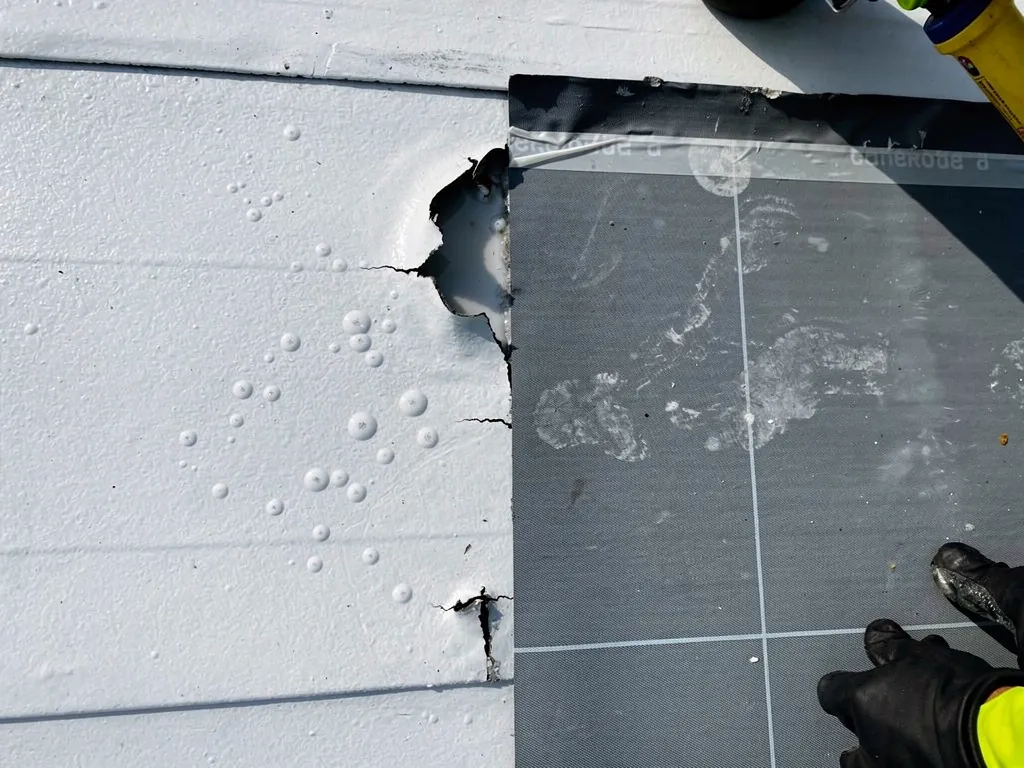
Commercial flat roofs face frequent emergencies driven by material wear, weather events, and mechanical stresses. Recognizing these scenarios empowers building managers to prepare and respond effectively, minimizing downtime and repair complexity.
How Do Flat Roof Leaks and Punctures Occur and Get Repaired?
Leaks often originate from ponding water that degrades membrane seams, walked-on equipment that punctures the membrane, or thermal movement that stresses flashing details. Emergency patch repairs involve cleaning the damaged area, applying a compatible membrane patch, and sealing edges with high-performance roofing cement. For punctures under metal HVAC units, technicians reinforce patches with fabric mesh and cold-applied adhesives to withstand foot traffic and UV exposure.
What Types of Storm Damage Affect Commercial Flat Roofs?
Minnesota storms can deliver hail impact, wind uplift, and ice dam formation, each presenting unique repair challenges. Hail dents and membrane ruptures are patched with reinforced sealants and scrap membrane pieces. Wind uplift cracks seams and lifts loose membrane edges, requiring heat-welded or adhesive reattachment. Ice dams cause water backup at parapet walls, which is alleviated by clearing ice and installing temporary heat tape before permanent membrane repairs.
How Are Membrane Tears and Seam Failures on TPO, EPDM, and Modified Bitumen Roofs Handled?
Membrane tears are repaired by mechanically cleaning and preparing the tear edges, applying manufacturer-approved patches, and reinforcing seam overlaps with hot-air welding (for TPO), solvent-based adhesives (for EPDM), or torch-applied modified bitumen self-adhesive strips. Adhering to each material’s bonding method prevents re-separation under thermal cycling. Proper seam treatment restores watertight continuity and resists Minnesota’s freeze-thaw conditions.
How Are Emergency Repairs Specialized for Different Flat Roof Types in Minnesota?
Emergency solutions vary by roof system, as each membrane and assembly demands tailored repair methods to maintain material warranty compliance and performance standards.
What Are the Benefits and Repair Methods for TPO Roofing Emergencies?
TPO membranes exhibit superior UV resistance and energy-reflective properties. Emergency TPO repairs use heat-welded patches that fuse seamlessly with existing membrane, restoring flexibility and tensile strength. This approach preserves the membrane’s cool-roof benefits and prevents premature seam cracking under Minnesota’s seasonal temperature swings.
How Does EPDM Roofing Emergency Repair Address Cracks and Weather Damage?
EPDM systems offer exceptional weather resistance and elongation. Repairs begin by cleaning and priming the rubber surface, then applying solvent-based patches and reinforcing tapes around cracks and seams. This method leverages EPDM’s elasticity, ensuring repairs expand and contract with thermal movement without adhesive failure.
What Emergency Solutions Exist for Modified Bitumen and Built-Up Roofs?
Modified bitumen and built-up systems rely on asphaltic layers and embedded felts. Emergency interventions include torch-applied or cold-adhesive membrane patches that reestablish multi-ply protection. Technicians inspect ply adhesion, clamp loose edges, and apply cold-applied coatings to seal granular surfaces and prevent water infiltration until full-system recovery.
Why Choose Allweather Roof for Emergency Flat Roof Repair Services in Minnesota?
Allweather Roof combines a century of commercial roofing expertise with award-winning quality and innovative inspection protocols to deliver unmatched emergency repair solutions throughout Minnesota and surrounding states.
How Does Over 100 Years of Experience Benefit Your Emergency Repairs?
Established in 1925, Allweather Roof’s century-long operations have refined methods for diagnosing complex flat roof failures and executing long-lasting repairs. This institutional knowledge reduces repair timeframes and ensures quality control across diverse roof assemblies, protecting client investments and preserving roof warranties.
What Makes Our Local Minnesota Teams Ideal for Rapid Emergency Response?
Local teams positioned across the Twin Cities and greater Minnesota enable site arrival within hours of an emergency call. Familiarity with regional weather patterns and commercial building typologies lets our crews anticipate common failure modes, execute targeted repairs efficiently, and communicate readiness to facility managers throughout the crisis.
How Do Advanced Technologies Like Drones and Infrared Scanning Improve Repair Accuracy?
By integrating drone-aided surveys and infrared thermal imaging into our emergency workflow, Allweather Roof pinpoints hidden moisture intrusions and seam defects without disruptive core extraction. This precision minimizes repair scope, reduces material waste, and ensures comprehensive remediation of all leak pathways.
What Awards and Customer Trust Validate Our Quality Emergency Services?
Allweather Roof’s commitment to craftsmanship and client satisfaction has earned 38 consecutive Master Contract Awards and 33 Inner Circle of Quality Awards. These recognitions reflect our reliably high standards and the trust commercial clients place in our 24/7 emergency roofing capabilities.
What Should Commercial Building Owners Do During a Flat Roof Emergency in Minnesota?
Building owners play a vital role in mitigating damage before professional teams arrive by implementing temporary safeguarding measures and engaging emergency services at the right time.
How Can You Temporarily Protect Your Roof Before Professional Help Arrives?
Place weighted buckets or water-diverting barriers beneath active leaks to protect interior finishes. Apply heavy-duty tarps over compromised areas, securing edges with sandbags or roofing ballast to block rainwater entry. Clearing debris from roof drains and scuppers promotes water flow and prevents ponding that exacerbates membrane stress.
When Should You Contact 24/7 Emergency Roofing Services?
Activate emergency roofing support immediately when you encounter continuous leaks, significant ponding that threatens structural decks, visible membrane deterioration, or interior water damage. Promptly calling expert teams halts damage progression and maintains safety for occupants and equipment.
How Does Allweather Roof Support Insurance Claims for Emergency Repairs?
Allweather Roof documents damage with infrared imagery, detailed inspection reports, and repair specifications that streamline claim submissions. By providing comprehensive evidence of emergency conditions and repair recommendations, our teams assist property managers in demonstrating covered losses and expediting insurer approvals.
What Are Frequently Asked Questions About Emergency Flat Roof Repair in Minnesota?
Commercial clients often seek clarity on what constitutes an emergency, expected response times, material coverage, cost factors, and how proactive care can reduce future crises.
What Constitutes a Commercial Flat Roof Emergency?
A commercial flat roof emergency involves active leaks that threaten interior assets, membrane punctures exposing insulation, severe storm damage causing widespread pooling, or structural compromise of deck components. These urgent conditions require immediate professional intervention to prevent safety hazards and business interruption.
How Quickly Can Allweather Roof Respond to an Emergency in Minnesota?
Allweather Roof guarantees a site assessment within two to four hours of a 24/7 emergency call. Local crews remain on standby to deploy rapid repairs and interim protections, reducing downtime and safeguarding commercial operations across Minnesota.
Which Flat Roof Materials Does Allweather Roof Repair in Emergencies?
Allweather Roof specializes in emergency services for all major commercial flat roof systems, including TPO, EPDM, modified bitumen, and built-up roofing assemblies. Each material receives manufacturer-approved repair methods to restore watertight performance and long-term durability.
How Much Does Emergency Commercial Flat Roof Repair Cost in Minnesota?
Emergency repair costs vary by damage scope, material type, and repair complexity. Typical interim patch and tarping services start at competitive rates, while comprehensive diagnostics and permanent restoration plans are quoted after initial assessment. Investing in prompt emergency repairs reduces the likelihood of extensive reconstruction expenses.
How Can Preventative Maintenance Reduce Emergency Repairs?
Implementing annual roof assessments, regular drain cleanings, and membrane integrity scans identifies early signs of wear and potential failure points. Proactive maintenance extends service life, minimizes emergency callouts, and optimizes budget planning by addressing minor issues before they escalate into critical failures.
Allweather Roof’s proven emergency protocols and advanced diagnostic tools deliver reliable, long-term protection for commercial flat roofs across Minnesota. Rapid intervention minimizes downtime, while tailored repair methods for TPO, EPDM, and modified bitumen systems restore roofing integrity quickly and effectively. By partnering with a century-old expert contractor, building owners gain peace of mind and consistent performance from their roofing investments. For immediate assistance, contact Allweather Roof’s 24/7 emergency response team and safeguard your facility against costly water damage and operational disruptions.
Frequently Asked Questions
What qualifies as a flat roof emergency requiring immediate professional attention?
A flat roof emergency includes any active leak threatening interior assets, visible membrane punctures or tears exposing insulation, significant ponding water that stresses structural decks, or storm damage such as hail impacts and wind uplift. These conditions require prompt professional intervention to prevent safety hazards, mold growth, and costly business interruption.
How quickly does Allweather Roof respond to emergency flat roof calls in Minnesota?
Allweather Roof guarantees an on-site assessment within two to four hours of a 24/7 emergency call. Local crews stationed across the Twin Cities and greater Minnesota remain on standby to deploy rapid repairs and interim protections, minimizing downtime for commercial operations.
What temporary measures can building owners take before the repair crew arrives?
Building owners should place weighted buckets or water-diverting barriers beneath active leaks, apply heavy-duty tarps over compromised roof areas secured with sandbags or roofing ballast, and clear debris from roof drains and scuppers to promote water flow and reduce ponding that stresses the membrane.
Which flat roof systems does Allweather Roof service during emergencies?
Allweather Roof provides emergency repair services for all major commercial flat roof systems, including TPO, EPDM, modified bitumen, and built-up roofing assemblies. Each system receives manufacturer-approved repair methods to restore watertight performance and long-term durability.
Can Allweather Roof assist with insurance claims after an emergency repair?
Yes. Allweather Roof documents all damage using infrared imagery, detailed inspection reports, and repair specifications that streamline insurance claim submissions. This comprehensive evidence helps property managers demonstrate covered losses and expedite insurer approvals.