

Commercial Storm Damage Roof Inspections in Golden Valley, MN: Assessment & Repair Guide
Has recent hail or high winds raised concerns about the integrity of your commercial roof in Golden Valley, MN? Prompt storm damage assessments detect hidden issues before they escalate into costly structural failures and operational disruptions. This guide explains why timely inspections matter, outlines the expert evaluation process our commercial roof inspection services in Golden Valley MN follow, details targeted repair strategies, explores insurance claim support, describes proactive maintenance benefits, and highlights why Allweather Roof is the trusted partner for Golden Valley property owners.
Why Are Timely Storm Damage Assessments Essential for Commercial Roofs in Golden Valley?
Timely storm damage assessments define the difference between minor repairs and extensive re-roofing projects. By identifying wind-lifted seams, hail punctures, or water intrusion early, property managers can secure their building envelope against escalating leaks and interior damage. Early detection reduces downtime, averts safety hazards, and preserves insulation performance, safeguarding energy efficiency in Golden Valley’s variable climate. Recognizing damage within days of a storm prevents deferred discovery claims from being denied by insurers, ensuring commercial owners maximize their coverage benefits. Consistent, scheduled assessments also establish a maintenance history that supports long-term asset management and property value preservation.
Understanding the mechanism behind storm damage and its progression directly informs repair priorities. Small membrane tears can expand under freeze-thaw cycles common in Minnesota, while punctures from hail accelerate water migration beneath roofing layers. Without a structured evaluation, these latent defects compromise structural integrity, leading to mold growth, compromised fire barriers, and potential liability for business interruption. Investing in early inspections thus yields immediate operational continuity and significant lifecycle cost savings.
How Do Storm Damage Assessments Protect Your Commercial Property Investment?
A storm damage assessment is a systematic evaluation of all roof components to define integrity breaches and recommend corrective action. Early inspections pinpoint actual defect locations, minimizing unnecessary repairs and preventing secondary structural harm. For example, detecting a hail-induced membrane tear within 48 hours can avert water pooling in insulation and curb corrosion of metal deck panels. This precise targeting of repair resources directly supports return on investment by extending roof lifespan and preserving interior asset value.
What Are the Common Types of Storm Damage Affecting Golden Valley Commercial Roofs?
Commercial roofs in Golden Valley face a variety of weather-related threats; understanding these damage types helps prioritize inspection focus.
Each damage category demands specific repair tactics, and early identification steers maintenance teams toward the most critical interventions.
How Does Minnesota’s Extreme Weather Impact Commercial Roof Durability?
Minnesota’s climate combines heavy snow loads, rapid freeze-thaw cycles, severe thunderstorms, and prolonged UV exposure, all of which stress roofing systems.
- Heavy snow can concentrate loads, causing deck deflection and membrane stress.
- Freeze-thaw cycles force moisture into small cracks, expanding breaches over time.
- Severe storms bring hail, high winds, and driving rain that physically degrade membrane bonds.
- UV radiation accelerates polymer brittleness, especially on dark surfaces.
These factors compound without proactive oversight, making regular storm damage assessments essential to maintain water-tight seals and structural stability throughout each season.
What Is the Process for Expert Commercial Roof Storm Damage Inspections in Golden Valley?
A structured inspection process combines on-roof visual surveys, drone imaging, and data analysis to produce actionable findings. Allweather Roof’s commercial roof inspection services in Golden Valley MN begin with a safety-focused site setup and digital pre-inspection planning, ensuring every square foot is accounted for. Inspectors then execute a detailed scan of membrane integrity, flashing conditions, penetrations, and drainage patterns, documenting every anomaly. After on-roof checks, high-resolution drone images capture inaccessible areas and record thermal signatures for moisture intrusion detection. Finally, inspectors synthesize field data into a comprehensive report detailing repair priorities and cost estimates.
Our systematic approach prevents diagnostic oversights and aligns recommended solutions with each client’s budget and risk tolerance. By integrating advanced technologies into conventional surveys, this process ensures reliable identification of latent defects and supports transparent decision-making for property managers.
How Are Visual and Drone-Assisted Inspections Conducted?
Visual and drone-assisted inspections blend human expertise with aerial vantage points to reveal both surface and subsurface roofing defects. Technicians perform a hands-on survey of seams, penetrations, and membrane fasteners before launching a drone equipped with high-resolution cameras. The drone captures top-down imagery and thermal data that highlight temperature anomalies associated with trapped moisture. Integrating visual findings with drone footage accelerates defect localization and enhances report accuracy, promoting faster repair scheduling.
What Details Are Included in a Comprehensive Storm Damage Report?
A thorough storm damage report compiles all inspection data into an actionable roadmap. Key inclusions are:
- High-resolution damage photos with annotated defect locations
- A summary of observed damage types and severity ratings
- Recommended repair or replacement methods with cost estimates
- Priority categorization based on risk of water intrusion
- Maintenance schedule suggestions to prevent recurrence
These details allow commercial building owners to allocate resources effectively and substantiate insurance claims with precise documentation.
How Are Different Storm Damage Types Identified During Inspection?
Inspectors use visual cues and sensor readings to distinguish among hail, wind, water, ice, and UV-related damage. Hail damage appears as circular depressions or membrane perforations, while wind damage shows lifted edges and torn flashings. Water intrusion detection relies on moisture meter readings and thermal imaging to locate subsurface leaks. Ice-related issues manifest as ridge-shaped stress cracks, and UV degradation presents as brittle or chalked surface patches. Combining these identification techniques ensures comprehensive coverage of all potential defects.
What Advanced Technologies Enhance Inspection Accuracy?
Advanced inspection technologies elevate assessment precision:
- Thermal Imaging Cameras detect temperature differentials indicating moisture underneath roofing layers.
- Unmanned Aerial Systems capture high-resolution imagery of large or inaccessible areas.
- Drone-Mounted LiDAR provides topographical mapping to identify membrane deformation.
- Moisture Meters quantify water content in insulation and deck materials.
These tools complement traditional surveys, yielding a multi-dimensional view of roof condition and guiding targeted repairs.
How Does Allweather Roof Address Specialized Commercial Roof Storm Damage Repairs?
Allweather Roof applies specialized repair protocols tailored to each storm damage type, combining premium materials with proven techniques. We assess damage severity and select the appropriate solution—whether membrane patching, seam resealing, or full system replacement. Our restoration teams adhere to manufacturer specifications for TPO, EPDM, metal, modified bitumen, and built-up roofing systems, ensuring repairs integrate seamlessly with existing components. A focus on craftsmanship and quality control guarantees that restored areas perform reliably under subsequent weather events.
By offering on-demand emergency response and scheduled follow-up inspections, our repair process maintains roof integrity over time. This dual approach minimizes operational disruptions and extends roof service life, maximizing client return on investment.
What Are Effective Solutions for Hail Damage on Commercial Roofs?
Hail damage repair centers on restoring membrane continuity and granule coverage. Typical solutions include:
- Precision Patching: Applying prefabricated membrane patches over punctures and dents.
- Cold-Applied Sealants: Ensuring watertight seals around hail-impacted areas.
- Membrane Reinforcement: Installing reinforcement patches under seams to resist future hailstorms.
These methods preserve insulation performance and prevent progressive leaks, safeguarding roof longevity.
How Is Wind Damage Restored on Commercial Roofing Systems?
Wind-driven damage often lifts seams and flashings, compromising water barriers. Restoration includes realigning lifted edges, replacing torn flashings, and re-securing fasteners with manufacturer-approved adhesives. In severe cases, partial membrane removal precedes deck repairs and membrane reinstallation to restore a uniform surface. These targeted interventions reestablish seam integrity and prevent water infiltration under wind-exposed areas.
What Expertise Does Allweather Roof Offer for Flat Roof Storm Damage?
Flat roof systems require nuanced repair techniques due to their low slope and water retention risks. Our technicians specialize in addressing ponding water, membrane fatigue, and flashings on parapet walls. By employing infrared moisture surveys and specialized drain cleaning, we identify and resolve low-spot issues that lead to prolonged water exposure. Customized coating applications enhance UV resistance and reduce maintenance needs, extending flat roof service life in Golden Valley’s climate.
When Is Emergency Commercial Roof Repair Necessary After Storms?
Emergency roof repair is warranted when active leaks pose immediate risks to occupants or critical equipment. Indicators include:
- Uncontrolled water infiltration into occupied spaces
- Structural deck deflection under pooled water
- Exposed insulation or fire barrier compromises
- Widespread seam separation under high winds
Prompt intervention restores roof resilience, protects interior assets, and prevents liability related to business interruption.
How Can Commercial Property Owners in Golden Valley Navigate Insurance Claims for Storm Damage?
Navigating commercial roof insurance claims requires thorough documentation and strategic communications. A detailed inspection report, complete with photographic evidence and damage severity assessments, forms the basis of a successful claim. Timely submission of this documentation within insurer-defined timeframes prevents claim denials due to delayed discovery. By aligning repair recommendations with policy coverage terms, property owners can secure maximum claim benefits and minimize out-of-pocket expenses.
Transparent communication with insurers and adjusters also speeds claim resolution. Providing clear, professional reports establishes credibility and supports negotiations for appropriate settlements. A proactive claims strategy ensures storm damage assessments translate into tangible financial recovery.
What Documentation Is Required for Successful Insurance Claims?
Successful claims rely on:
- Time-stamped inspection reports with annotated photos
- Itemized damage descriptions and severity ratings
- Cost estimates for repairs or full replacement
- Maintenance records demonstrating routine oversight
This documentation supports the cause-and-effect relationship between a specific storm event and observed damage, satisfying insurer requirements.
How Does Allweather Roof Assist with Insurance Adjuster Communication?
Allweather Roof acts as a liaison between property owners and insurance adjusters to streamline claim approvals. We prepare and present detailed damage exhibits, clarify technical roofing terms, and coordinate on-site adjuster walkthroughs. This collaborative approach ensures adjusters fully understand the scope of damage and repair needs, reducing back-and-forth and accelerating settlement timelines.
What Strategies Maximize Commercial Roof Storm Damage Claim Benefits?
Optimizing claim outcomes involves:
- Submitting high-quality evidence promptly after inspections
- Aligning repair recommendations with policy coverage limits
- Documenting pre-storm roof condition through maintenance logs
- Engaging expert testimony when necessary
These steps help property owners recover full repair costs and maintain roofing budgets.
What Are the Benefits of Proactive Commercial Roof Maintenance Beyond Storm Damage?
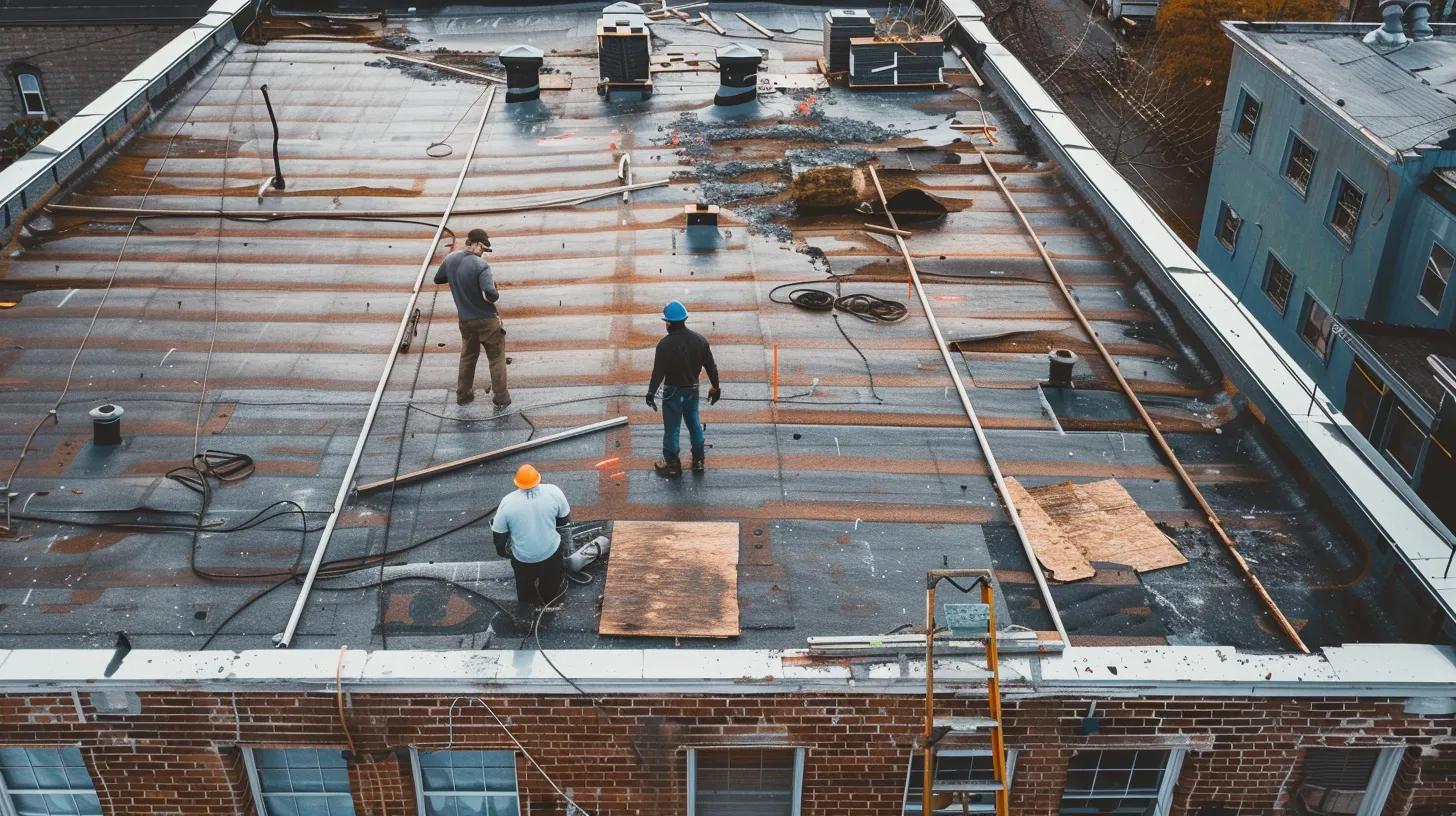
Proactive maintenance extends beyond storm response to preserve roof performance throughout its design life. Regular upkeep prevents minor defects from evolving into major failures, reduces emergency repair frequency, and maintains warranty compliance. Scheduled inspections and preventive repairs reinforce membrane integrity, protect interior spaces, and optimize energy efficiency by ensuring insulation remains dry. Over time, investment in proactive maintenance yields substantial lifecycle cost savings and enhances building sustainability metrics.
By adopting a preventative maintenance mindset, commercial building owners avoid unplanned shutdowns and budget overruns associated with reactive repairs. This strategic approach positions properties for long-term operational stability.
How Do Annual Inspection Programs Prevent Future Storm Damage?
Annual inspection programs identify minor issues before they escalate under extreme weather. By evaluating drainage performance, seam adhesion, and flashing conditions each spring and fall, maintenance teams correct vulnerabilities ahead of peak storm seasons. This preemptive strategy mitigates the impact of heavy rains, hail events, and freeze-thaw cycles, preserving membrane integrity and avoiding unplanned service disruptions.
What Are Key Practices to Extend Commercial Roof Lifespan in Golden Valley?
Maintaining commercial roof longevity involves:
- Regular Membrane Cleaning: Removing debris and chemical residues that degrade materials.
- Sealant Reapplication: Refreshing protective coatings to guard against UV and moisture intrusion.
- Gutter and Drain Maintenance: Ensuring unimpeded water flow to prevent ponding.
These practices support consistent performance and defer the need for major restoration or replacement projects.
How Does Preventative Maintenance Reduce Costly Repairs?
Preventative maintenance curbs repair costs by addressing small defects early and maintaining warranty compliance. Resolving minor punctures, seam separations, or drain blockages prevents the escalation of water intrusion that leads to structural damage. Over multiple inspection cycles, this targeted approach lowers average annual roofing expenses and maximizes asset value.
Why Choose Allweather Roof for Commercial Storm Damage Assessments in Golden Valley MN?
Allweather Roof combines local expertise with rigorous quality standards to deliver reliable storm damage assessments. Our dedicated team understands Golden Valley’s unique weather patterns and building code requirements, ensuring every inspection aligns with municipal regulations and industry best practices. We employ premium materials and advanced repair techniques that reinforce roof systems against future storms, reflecting our commitment to superior craftsmanship.
Transparent communication, detailed reporting, and responsive service define our client relationships. By treating each project as a partnership, Allweather Roof fosters trust and accountability, making us the preferred commercial roofing contractor for Golden Valley property managers.
What Local Expertise and Experience Does Allweather Roof Bring?
With years of service in Golden Valley and the broader Midwest region, Allweather Roof has assessed hundreds of commercial roofs under diverse weather conditions. Our familiarity with local permit processes, storm patterns, and supplier networks enables efficient project delivery. This regional insight ensures storm damage evaluations are pragmatic, code-compliant, and tailored to each facility’s operational needs.
How Does Allweather Roof Ensure Quality and Durable Roofing Solutions?
Quality control permeates every repair and maintenance activity. We source premium membranes, sealants, and reinforcement fabrics that meet or exceed manufacturer standards. Skilled technicians follow rigorous installation and repair protocols, and supervisors conduct final inspections to verify workmanship. This disciplined approach guarantees durable roof restorations capable of withstanding Minnesota’s extreme weather.
What Do Golden Valley Clients Say About Our Storm Damage Services?
Feedback from local property managers highlights Allweather Roof’s prompt response times, clear communication, and effective repair outcomes. Clients appreciate thorough reports that simplify insurance claims and practical recommendations that align with budget constraints. Consistently, our professionals are credited with restoring roof integrity quickly and minimizing operational disruptions.
How Often Should Commercial Roofs Be Inspected for Storm Damage in Golden Valley MN?
Commercial roofs in Golden Valley, MN, should undergo inspections at least twice annually—in spring and fall—and immediately after severe storms. Seasonal checks reveal wear from winter freeze-thaw cycles and summer UV exposure, while post-storm evaluations catch fresh damage from hail, wind, or heavy rain. This inspection cadence prevents delayed discovery denials and maintains roof warranties.
What Are the Early Signs of Storm Damage on Commercial Roofs?
Early storm damage signs include:
- Granule Loss: Exposed base sheets where hail has stripped protective layers.
- Cracked Seams: Separation of membrane joints under high winds.
- Interior Stains: Watermarks on ceilings indicating active leaks.
Prompt recognition of these indicators directs timely repairs and averts more extensive failures.
How Can Businesses Get a Free Commercial Roof Damage Inspection in Golden Valley?
Allweather Roof offers complimentary commercial roof assessments to Golden Valley property owners. A free inspection includes on-roof surveys, drone imaging, and a detailed report of observed damage. This no-obligation evaluation empowers decision-makers with precise information to plan repairs or file insurance claims.
Does Insurance Typically Cover Commercial Roof Storm Damage in Minnesota?
Most commercial property policies cover storm-related roof damage subject to deductibles and policy limits. Insurers require prompt documentation of damage and proof of regular maintenance. Completing a professional storm damage assessment within policy-specified timeframes increases the likelihood of full claim approval and reimbursement for repair expenses.
What Commercial Roofing Materials Offer the Best Storm Resilience in Golden Valley?
Different roofing materials deliver variable storm performance; understanding their characteristics guides resilient choices.
Selecting materials aligned with local weather patterns ensures long-term durability and reduced maintenance costs.
Commercial roof health directly influences building performance and occupant comfort. By partnering with a qualified expert for routine assessments, targeted repairs, and proactive maintenance, Golden Valley property managers safeguard their investment and maintain uninterrupted operations. Schedule a free storm damage inspection with Allweather Roof today to protect your commercial roof against Minnesota’s next severe weather event.
Frequently Asked Questions
What Should I Do Immediately After a Storm Hits?
After a storm, the first step is to inspect your commercial property for visible damage. Look for fallen debris, sagging roofs, or signs of leaks. If safe, take photos to document damage before repairs begin. Contact a professional for a thorough storm damage assessment as soon as possible, as early detection is crucial to avoid further structural damage. Additionally, notify your insurance company to begin the claims process, as claims often require prompt reporting.
How Long Does a Storm Damage Assessment Typically Take?
The duration of a storm damage assessment can vary based on the size of the roof and the severity of the damage. Generally, a thorough inspection may take anywhere from one to three hours. However, this can be extended if extensive damage is identified or if drone imagery is utilized for hard-to-reach areas. Following the inspection, you will receive a detailed report usually within 24 to 48 hours, outlining damage and recommended actions.
Can I File Multiple Claims for Storm Damage?
Yes, it is possible to file multiple insurance claims for storm damage, but it depends on the specifics of each event and your insurance policy. If different storms cause separate incidents of damage, each can potentially be claimed. However, it’s important to check with your insurance provider about your policy’s limitations, deductibles, and any potential impact on future premiums. Consulting a professional can provide clarity on your specific situation.
What Preventative Measures Can I Take to Protect My Roof?
To protect your commercial roof from storm damage, consider implementing regular inspection and maintenance practices. This includes cleaning gutters to ensure proper drainage, reinforcing seams with quality sealants, and addressing any existing damage swiftly. Installing impact-resistant roofing materials can also enhance resilience against severe weather conditions. Keeping a maintenance log will help track repairs and can support documentation for insurance claims when needed.
How Does Allweather Roof Choose Repair Techniques for Different Damage Types?
Allweather Roof employs a damage-specific approach to repairs, meaning that the chosen methods depend on the type of damage identified during the assessment. For instance, hail damage may require membrane patching to restore integrity, while wind damage often necessitates seam resealing and fastener reinstallation. The decision on techniques is based on the severity of the damage, the roofing system in place, and the long-term goals for roof performance and maintenance.
What Should I Look for When Reviewing an Insurance Claim Report?
When reviewing an insurance claim report, ensure it includes detailed descriptions of the damage, high-quality photographic evidence, and clarity on repair recommendations. Check that it aligns with your policy’s coverage and includes all necessary documentation to reflect the damage accurately. Look for aspects that discuss repair costs and timelines, as well as adherence to any maintenance history that could impact your claim. Having a clear understanding of these details will aid in the claims process.
Conclusion
Regular storm damage assessments are crucial for maintaining the longevity and performance of your commercial roof, maximizing its lifespan and energy efficiency. By addressing issues like hail damage and water intrusion early, property managers can prevent costly repairs and ensure operational continuity. Trusting experienced professionals like Allweather Roof guarantees reliable inspections and tailored repair strategies that meet your specific needs. Protect your investment and schedule your free storm damage inspection with us today.