
Commercial Roofing Services in Minnesota: Repair, Replacement & Maintenance Guide
Commercial building owners in Minnesota face extreme temperature swings, heavy snowfall, and summer storms that can compromise roof integrity and drive up operational costs. Securing a reliable commercial roofing partner ensures structural protection, energy savings, and project timelines—critical concerns for property managers and architects in the Midwest. This article explores the leading commercial roofing services offered in Minnesota, examines material options optimized for local weather, outlines how to select the ideal contractor, highlights common roof problems and solutions, analyzes costs and ROI, maps service availability across the Twin Cities and Greater Minnesota, and explains how to get a free estimate and consultation. With nearly a century of experience since 1925, Allweather Roof’s comprehensive approach to replacement, repair, and maintenance underpins each section.
What Are the Leading Commercial Roofing Services Offered in Minnesota?
Commercial roofing services in Minnesota encompass full roof replacement, targeted repairs, and preventative maintenance programs designed to extend roof lifespan and reduce unplanned downtime. Property managers rely on experts who understand low-slope systems, single-ply membranes, and metal assemblies tailored to the region’s freeze-thaw cycles. Integrating mechanical installations with routine inspections safeguards equipment and prevents moisture infiltration.
How Does Commercial Roof Replacement Benefit Minnesota Businesses?
Commercial roof replacement delivers a fresh, weather-tested membrane that improves thermal performance and minimizes leak risks. Installing modern single-ply or metal assemblies restores structural integrity, enhances energy efficiency, and reduces maintenance expenses. A new roof also supports sustainability goals by accommodating reflective coatings that cut seasonal cooling loads.
What Types of Commercial Roof Repair Are Common in Minnesota?
Commercial roofs in Minnesota frequently suffer ponding water, seam failures, and punctures from hail and debris. Common repair services include:
- Seam resealing to prevent water intrusion under membrane edges.
- Puncture patching using compatible membrane material and adhesion primers.
- Ponding water mitigation through tapered insulation or new drainage outlets.
Why Is Preventative Commercial Roof Maintenance Essential in Minnesota?
Preventative maintenance programs combine biannual inspections, surface cleaning, and early-stage repairs to limit minor issues from escalating. Routine assessments identify membrane wear, flashing deterioration, and obstructed drains before leaks develop. This proactive approach lowers overall lifecycle costs, extends warranty coverage, and ensures uninterrupted building operations.
Which Commercial Roofing Materials Are Best Suited for Minnesota’s Climate?
Minnesota’s harsh winters and UV exposure demand durable, insulating roofing materials that resist thermal shock and moisture. Commercial properties benefit from systems engineered for low-slope applications, energy efficiency, and minimal maintenance. Selecting the right membrane or metal assembly prevents premature failure and lowers utility costs under extreme conditions.
What Are the Advantages of TPO Roofing for Minnesota Commercial Buildings?
TPO roofing offers exceptional energy efficiency through its highly reflective surface, cutting cooling loads and lowering utility bills. Its heat-welded seams create a monolithic membrane that resists punctures, UV degradation, and chemical exposure. The lightweight composition simplifies installation on flat or low-slope roofs while delivering a lifespan of 25 years or more.
How Does EPDM Roofing Perform in Minnesota’s Weather Conditions?
EPDM roofing delivers robust performance under temperature extremes and heavy snowfall, thanks to its elasticity and tear resistance. The rubber membrane expands and contracts without cracking, maintaining watertight seals around penetrations and edges. Its cost-effective installation and proven longevity make EPDM a dependable choice for industrial and commercial facilities.
Why Choose Metal Roofing for Commercial Properties in Minnesota?
Metal roofing systems provide unmatched durability, longevity, and sustainability for Minnesota commercial structures. Standing-seam panels shed snow efficiently and resist wind uplift while offering fire resistance and recyclable end-of-life materials. Their high-rib design accommodates expansion, and specialized coatings protect against corrosion, supporting lifespans beyond 40 years.
What Are the Benefits of Built-Up and Modified Bitumen Roofing?
Built-up roofing (BUR) and modified bitumen combine multiple asphalt and reinforcing layers to create a resilient, multi-ply assembly. These traditional materials excel in waterproofing, heat resistance, and UV protection. Modified bitumen’s polymer modifiers enhance flexibility, simplifying patch repairs and accommodating building movement.
How to Choose the Best Minnesota Commercial Roofing Contractor?
Selecting a qualified commercial roofing contractor requires evaluating certifications, local expertise, and full-service capabilities. The ideal partner provides transparent proposals, adheres to industry standards, and maintains consistent communication throughout installation, repair, or maintenance projects. Due diligence at the selection stage mitigates schedule risks and budget overruns.
What Credentials and Experience Should You Look for in Commercial Roofing Companies?
Reputable contractors hold manufacturer certifications for TPO, EPDM, and metal systems and maintain liability insurance and bonding. Local experience with Minnesota building codes, permit processes, and climate-specific installation techniques ensures compliance and optimal performance. Technicians trained in safety protocols and OSHA best practices further safeguard your project.
How Does Allweather Roof Stand Out Among Minnesota Commercial Roofing Contractors?
Allweather Roof combines nearly 100 years of regional expertise with a full-service approach to installation, repair, mechanical integration, and maintenance.
What Questions Should You Ask Before Hiring a Commercial Roofing Contractor?
Before engagement, ask how warranty coverage applies to labor and materials, whether inspection reports are included, and how change orders are managed. Inquire about project timelines, subcontractor involvement, and safety records. Clarifying these details upfront ensures transparent collaboration and aligns expectations.
What Are the Most Common Commercial Roofing Problems in Minnesota and How Are They Solved?
Minnesota roofs encounter storm damage, membrane wear, and aging-related failures that compromise building envelopes. Understanding problem sources and available solutions guides effective remediation and prevents recurring issues, protecting occupants and assets throughout seasonal cycles.
How Is Storm Damage to Commercial Roofs in Minnesota Repaired?
Repairing hail or wind damage involves removing loose debris, inspecting membrane integrity, and replacing damaged sections with matching materials. Heat-welded TPO patches or EPDM repair kits restore continuity, while metal panel replacements secure seam connections. Prompt response after storms prevents water intrusion and structural deterioration.
What Are Effective Commercial Roof Leak Detection and Repair Methods?
Advanced leak detection employs infrared thermography and moisture scanning to pinpoint substrate saturation beneath membranes. Once identified, targeted repairs use adhesion primers and membrane patches, preserving surrounding areas. Incorporating moisture control measures, such as ventilation and surface treatments, further reduces repeat leaks.
How Does Roof Aging Affect Commercial Buildings and When Is Replacement Needed?
Over time, membrane embrittlement, seam separation, and substrate deterioration diminish roof performance and safety. Signs like persistent leaks, widespread ponding water, and insulation degradation signal that maintenance is no longer cost-effective. Full replacement is recommended when repair frequency increases and warranty coverage expires.
What Are the Costs and ROI of Commercial Roofing Services in Minnesota?
Commercial roofing budgets reflect material selection, roof size, building height, and complexity of existing systems. Investors evaluate upfront costs alongside energy savings, reduced maintenance, and extended service life to determine project ROI. Strategic choices in materials and financing optimize long-term value for property owners.
How Much Does Commercial Roof Replacement Typically Cost in Minnesota?
Commercial roof replacement costs generally range from $5.50 to $12.00 per square foot for single-ply membranes, and $8.00 to $16.00 per square foot for metal roofing systems. Factors such as tear-off requirements, insulation upgrades, and rooftop equipment relocation influence final estimates. Incorporating reflective coatings can add 10–15 percent for improved energy performance.
What Financing Options Are Available for Minnesota Commercial Roofing Projects?
Property owners can access traditional bank loans, equipment financing, and energy-efficiency incentive programs. Energy service agreements spread costs over time, while certain utility rebates offset reflective or cool-roof installations. Tailored payment plans align capital expenditures with operational budgets and tax advantages.
How Does Energy-Efficient Roofing Impact Long-Term Savings?
Energy-efficient membranes and coatings reduce heating and cooling demands by reflecting solar radiation and improving insulation R-values. Buildings can achieve 10–20 percent lower utility costs annually, with payback periods as short as five years. Sustainable roofing choices also enhance property valuation and support green building certifications.
Which Commercial Roofing Services Are Available Across the Twin Cities and Greater Minnesota?
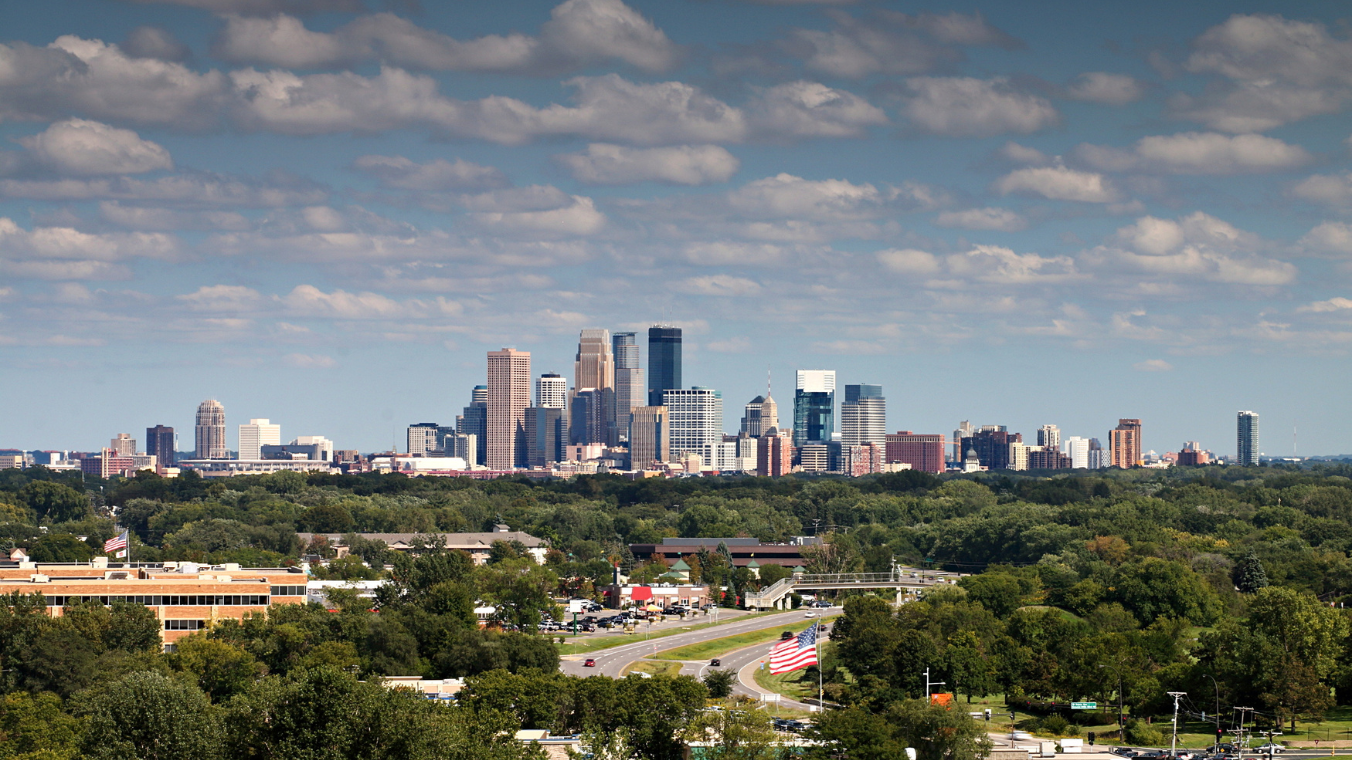
Commercial roofing contractors in Minneapolis, St. Paul, and surrounding regions offer localized expertise that accounts for municipal permitting, zoning regulations, and climate-specific installation techniques. Broad service coverage ensures rapid response times and familiarity with diverse property types from urban high-rises to rural warehouses.
What Commercial Roofing Solutions Are Offered in Minneapolis and St. Paul?
Urban clients benefit from low-odor installation methods, crane-free equipment staging, and noise-minimizing repair techniques. Contractors assist with permit acquisition and coordinate with building management to minimize tenant disruption. Specialized solutions include rooftop solar readiness and green roof integration for sustainable developments.
How Does Allweather Roof Serve Industrial and Multi-Family Properties in Minnesota?
Allweather Roof tailors its full-service roofing, repair, and inspection programs to industrial and multi-family sectors by aligning schedules with operational shifts, deploying specialized crews for large-scale flat roofs, and offering routine maintenance agreements. This client-focused methodology ensures minimal downtime and predictable budgeting.
What Are the Benefits of Choosing a Local Minnesota Roofing Contractor?
Local contractors understand regional freeze-thaw impacts, snow load requirements, and municipal code updates. Proximity enables rapid emergency repairs, frequent quality inspections, and direct communication. This local responsiveness reduces risk and aligns project execution with seasonal windows.
How Can You Get a Free Estimate and Consultation for Commercial Roofing in Minnesota?
Securing a no-obligation estimate and expert consultation streamlines budget planning and aligns service scopes with property needs. A structured process ensures accurate assessment of roof condition, material options, and timeline coordination to support informed decision-making.
What Is the Process for Scheduling a Commercial Roofing Inspection?
To schedule an inspection, provide roof dimensions, age, and current issues to a certified consultant. A trained inspector conducts a visual and infrared assessment, documents membrane condition, and identifies maintenance or repair recommendations. A detailed report with prioritized action items follows within days.
How Do You Request a Quote for Commercial Roof Replacement or Repair?
Requesting a quote involves submitting project specifications, desired materials, and timeline constraints to a contracting team. The contractor conducts an on-site survey, measures roof areas, and evaluates substrate conditions. A comprehensive proposal outlines scope, cost breakdown, and warranty terms for approval.
What Should You Expect During a Commercial Roofing Consultation?
During consultation, specialists review inspection findings, compare material performance, discuss financing options, and present maintenance plans tailored to your building. Collaborative planning addresses site logistics, safety protocols, and schedule coordination, laying the groundwork for a successful project.
Commercial roofing in Minnesota demands technical expertise, weather-tested materials, and proactive service models to protect investments and support operational continuity. By understanding leading services, material benefits, contractor criteria, common roof challenges, financial considerations, and local service availability, property stakeholders can make informed decisions that extend roof life, optimize energy performance, and manage costs effectively. A free estimate and consultation kick-start this process by aligning project goals with proven methodologies and decades of regional experience.
Frequently Asked Questions
What are the signs that a commercial roof needs repair?
Signs that a commercial roof requires repair include visible leaks, water stains on ceilings or walls, and sagging areas. Additionally, if you notice ponding water that does not drain after rainfall, or if the roofing material shows signs of wear such as cracks, blisters, or missing shingles, these are indicators of potential issues. Regular inspections can help identify these problems early, preventing more extensive damage and costly repairs down the line.
How often should commercial roofs be inspected?
It is recommended that commercial roofs be inspected at least twice a year, ideally in the spring and fall. Inspections should also be conducted after severe weather events, such as heavy storms or hail. Regular inspections help identify minor issues before they escalate into major problems, ensuring the roof remains in good condition and prolonging its lifespan. Property managers should keep a detailed record of inspections and maintenance performed.
What is the typical lifespan of a commercial roof?
The lifespan of a commercial roof varies depending on the material used and the local climate. For instance, TPO and EPDM roofs typically last 20 to 30 years, while metal roofs can last 40 years or more with proper maintenance. Built-up roofing systems may also have a lifespan of 20 to 30 years. Regular maintenance and timely repairs can significantly extend the life of any roofing system, maximizing your investment.
Are there any energy-efficient roofing options available?
Yes, there are several energy-efficient roofing options available for commercial buildings. TPO and PVC roofing systems are known for their reflective properties, which help reduce cooling costs by reflecting sunlight. Additionally, green roofs and cool roofs can further enhance energy efficiency by providing insulation and reducing heat absorption. Investing in energy-efficient roofing not only lowers utility bills but can also qualify for tax incentives and improve overall building sustainability.
What should be included in a commercial roofing contract?
A comprehensive commercial roofing contract should include detailed specifications of the work to be performed, including materials, labor costs, and timelines. It should also outline warranty coverage for both materials and workmanship, payment terms, and any provisions for change orders. Additionally, the contract should specify the contractor’s responsibilities regarding safety and compliance with local building codes. Clear communication of these elements helps prevent misunderstandings and ensures a smooth project execution.
How can weather conditions affect commercial roofing choices?
Weather conditions play a crucial role in determining the best roofing materials for commercial buildings. In Minnesota, for example, roofs must withstand extreme temperature fluctuations, heavy snowfall, and ice accumulation. Materials like EPDM and TPO are designed to handle these conditions effectively. Additionally, the choice of roofing system can impact energy efficiency, durability, and maintenance needs, making it essential to select materials that are specifically engineered for the local climate.
What are the benefits of hiring a local roofing contractor?
Hiring a local roofing contractor offers several advantages, including their familiarity with regional building codes, climate challenges, and local suppliers. Local contractors can provide quicker response times for emergencies and are often more invested in maintaining a good reputation within the community. They also understand the specific needs of local properties, ensuring that the roofing solutions they provide are tailored to withstand the unique weather conditions of the area.
Conclusion
Investing in commercial roofing services in Minnesota ensures that your property is protected against harsh weather while optimizing energy efficiency and reducing long-term costs. By understanding the benefits of various roofing materials and the importance of selecting a qualified contractor, property owners can make informed decisions that enhance their building’s longevity. Take the first step towards safeguarding your investment by requesting a free estimate and consultation today. With nearly a century of experience, Allweather Roof is ready to support your commercial roofing needs.