
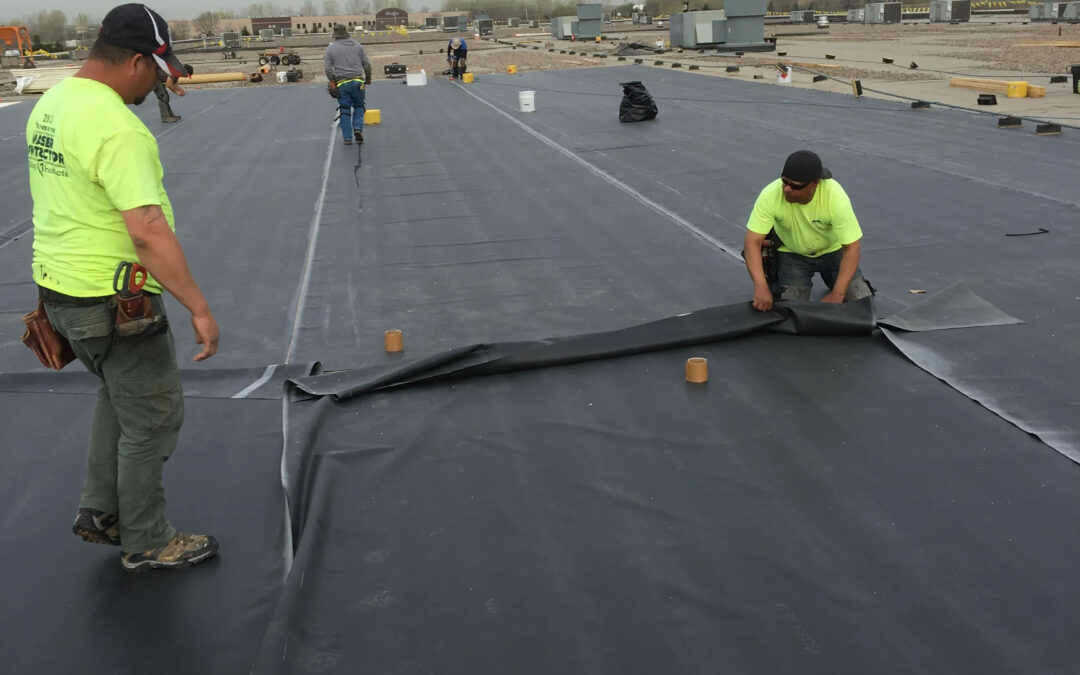
Modified Bitumen Roofing: A Complete Guide for Minnesota Commercial Properties

Modified bitumen roofing is a popular choice for commercial properties, particularly in regions like Minnesota where weather conditions can be extreme. This roofing system combines the durability of traditional asphalt with modern polymer technology, resulting in a robust solution for flat roofs. In this comprehensive guide, we will explore the various aspects of modified bitumen roofing, including its installation techniques, maintenance practices, cost considerations, and regulatory requirements. Understanding these elements is crucial for property owners and managers looking to invest in a reliable roofing solution that can withstand Minnesota’s unique climate challenges.

This article will cover the following key sections: an overview of modified bitumen roofing, detailed installation techniques, best maintenance practices, cost considerations, and the regulatory requirements specific to Minnesota. By the end of this guide, you will have a thorough understanding of why modified bitumen roofing is an ideal choice for commercial flat roofs in Minnesota.

Overview of Modified Bitumen Roofing

Modified bitumen roofing is a type of flat roofing system that incorporates asphalt and polymer modifiers to enhance its performance. This roofing solution is particularly well-suited for low-slope roofs, providing excellent waterproofing and durability. The combination of materials used in modified bitumen roofing allows it to withstand harsh weather conditions, making it a reliable choice for Minnesota’s climate.

The benefits of modified bitumen roofing include its flexibility, resistance to UV rays, and ease of installation. These characteristics make it an attractive option for commercial property owners looking for a long-lasting roofing solution. Additionally, modified bitumen roofs can be installed using various methods, including torch-down, cold adhesive, and self-adhering techniques, allowing for versatility in application.

Further research and field evaluations have consistently highlighted the versatility and long-term benefits of modified bitumen roofing systems, particularly concerning their installation methods and material composition.

Modified Bitumen Roofing: Installation, Performance & Cost

This report describes the initial construction phase of test roofs at Fort Polk, Louisiana, as part of a projected 10-year field evaluation of modified bitumen roofing systems. This work is part of a research effort to identify alternative, easy-to-install roofing systems that can improve the performance of Army roofing while reducing life cycle costs. Most modified bitumen products use one of two different asphalt modifiers atactic polypropylene APP or styrene butadiene styrene SBS. Modified bitumen membranes commonly are installed by torch-fusing, hot asphalt embedment, or self-adherence.

Construction of Experimental Modified Bitumen Roofing at Fort Polk, LA, 1991

Installation Techniques
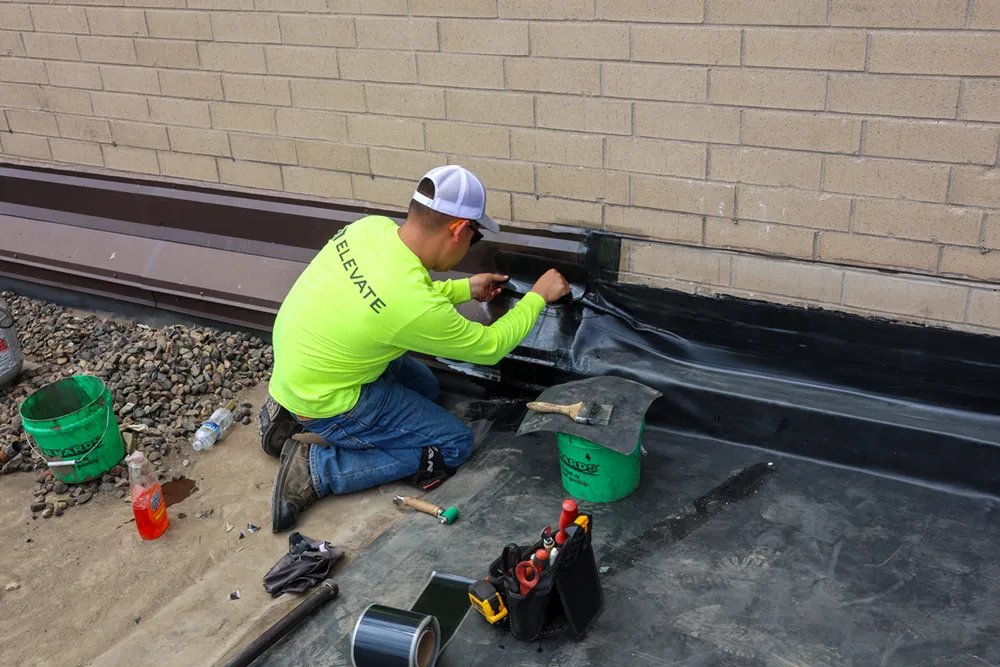
Installing modified bitumen roofing requires careful planning and execution to ensure optimal performance and longevity. The installation process typically involves several key steps, including surface preparation, material application, and seam sealing.

Step-by-Step Installation Process for Modified Bitumen Roofs

  1. Surface Preparation: The roof surface must be cleaned and repaired to ensure proper adhesion of the modified bitumen sheets. This may involve removing old roofing materials and addressing any underlying issues.
  2. Material Application: Modified bitumen sheets are rolled out and adhered to the roof surface using the chosen installation method, such as torching or cold adhesive.
  3. Seam Sealing: Once the sheets are in place, seams are sealed to prevent water infiltration. This step is crucial for maintaining the integrity of the roofing system.

Role of Professional Modified Bitumen Roofing Contractors in Minnesota

Hiring a professional roofing contractor is essential for the successful installation of modified bitumen roofing. Experienced contractors understand the specific requirements for Minnesota’s climate and can ensure that the installation meets local building codes and standards. Their expertise also helps in selecting the right materials and installation techniques for optimal performance.

Maintenance Practices

Regular maintenance is vital for extending the lifespan of modified bitumen roofs. Property owners should implement a proactive maintenance plan that includes routine inspections and timely repairs.

Routine Maintenance Guidelines to Extend Roof Lifespan

  1. Regular Inspections: Conduct inspections at least twice a year and after severe weather events to identify potential issues early.
  2. Debris Removal: Keep the roof clear of debris, such as leaves and branches, which can trap moisture and lead to damage.
  3. Minor Repairs: Address minor issues, such as small leaks or punctures, promptly to prevent them from escalating into more significant problems.

Common Repair Issues and Solutions for Modified Bitumen Roofs

Common repair issues for modified bitumen roofs include leaks, blistering, and seam failures. Property owners should be aware of these potential problems and seek professional assistance for repairs. Solutions may involve patching leaks, resealing seams, or replacing damaged sections of the roofing material.

Cost Considerations

Understanding the costs associated with modified bitumen roofing is crucial for budgeting and financial planning. Several factors influence the overall cost of installation and maintenance.

Key Cost Components in Modified Bitumen Roof Installation and Repair

  • Installation Costs: Typically ranges from $80 to $120 per square meter, depending on the complexity of the installation and the materials used.
  • Maintenance Costs: Budget approximately $0.15 to $0.50 per square foot annually for routine maintenance and inspections.
  • Inspection Costs: Routine inspections generally cost between $0.10 to $0.25 per square foot.

Cost ComponentDescriptionEstimated Cost
InstallationCost per square meter for installation$80 - $120
MaintenanceAnnual maintenance cost per square foot$0.15 - $0.50
InspectionCost per square foot for routine inspections$0.10 - $0.25

This table illustrates the various cost components associated with modified bitumen roofing, helping property owners make informed decisions about their roofing investments.

Modified bitumen roofing is often considered a cost-effective solution compared to other commercial roofing systems. Its durability and low maintenance requirements can lead to significant long-term savings, making it a wise investment for property owners.

Regulatory Requirements

When installing modified bitumen roofing in Minnesota, property owners must adhere to specific regulatory requirements. These regulations ensure that roofing systems meet safety and performance standards.

Permit Requirements

Before installation, property owners should check with local authorities to determine if a permit is required. This step is essential to ensure compliance with local building codes.

Material Standards

Modified bitumen roofing materials must meet specific standards set by regulatory bodies. Property owners should verify that the materials used in their roofing system comply with these standards to ensure safety and performance.

Safety Regulations

Safety regulations govern the installation process, including worker safety and environmental considerations. Property owners should work with licensed contractors who are familiar with these regulations to ensure a safe and compliant installation.

What Is Modified Bitumen Roofing and Why Is It Ideal for Minnesota Commercial Flat Roofs?

Modified bitumen roofing is a versatile and durable roofing solution that combines asphalt with polymer modifiers. This roofing system is particularly well-suited for Minnesota’s climate due to its ability to withstand extreme temperatures and weather conditions.

Defining Modified Bitumen Roofing: Materials and Composition

Modified bitumen roofing consists of a base layer of asphalt, reinforced with polymers to enhance flexibility and durability. The materials used in this roofing system provide excellent waterproofing and resistance to UV rays, making it an ideal choice for flat roofs.

Advantages of Modified Bitumen Roofing in Minnesota's Climate

  1. High Elasticity: The polymer modifiers increase the elasticity of the roofing material, allowing it to expand and contract with temperature fluctuations.
  2. Layered Protection: The multi-layered construction provides added protection against water infiltration and damage.
  3. Effective Waterproofing: Modified bitumen roofs are designed to prevent leaks, making them suitable for Minnesota's wet climate.

What Warranty and Lifespan Can Minnesota Commercial Property Owners Expect?

Understanding the warranty and expected lifespan of modified bitumen roofing is essential for property owners.

Typical Warranty Periods and Coverage Details for Modified Bitumen Roofs

Most modified bitumen roofing systems come with warranties ranging from 10 to 30 years, depending on the manufacturer and the specific materials used. These warranties typically cover defects in materials and workmanship.

Expected Lifespan and Factors Affecting Durability in Minnesota Conditions

Modified bitumen roofs can last between 20 to 30 years with proper maintenance. Factors affecting durability include the quality of materials, installation techniques, and environmental conditions. Regular inspections and maintenance can significantly extend the lifespan of the roofing system.

Conclusion

Modified bitumen roofing is an excellent choice for commercial properties in Minnesota, offering durability, flexibility, and effective waterproofing. By understanding the installation techniques, maintenance practices, cost considerations, and regulatory requirements, property owners can make informed decisions about their roofing investments. For those seeking professional assistance, Allweather Roof specializes in modified bitumen roofing installation and maintenance, ensuring that your roofing system meets the highest standards of quality and performance.