
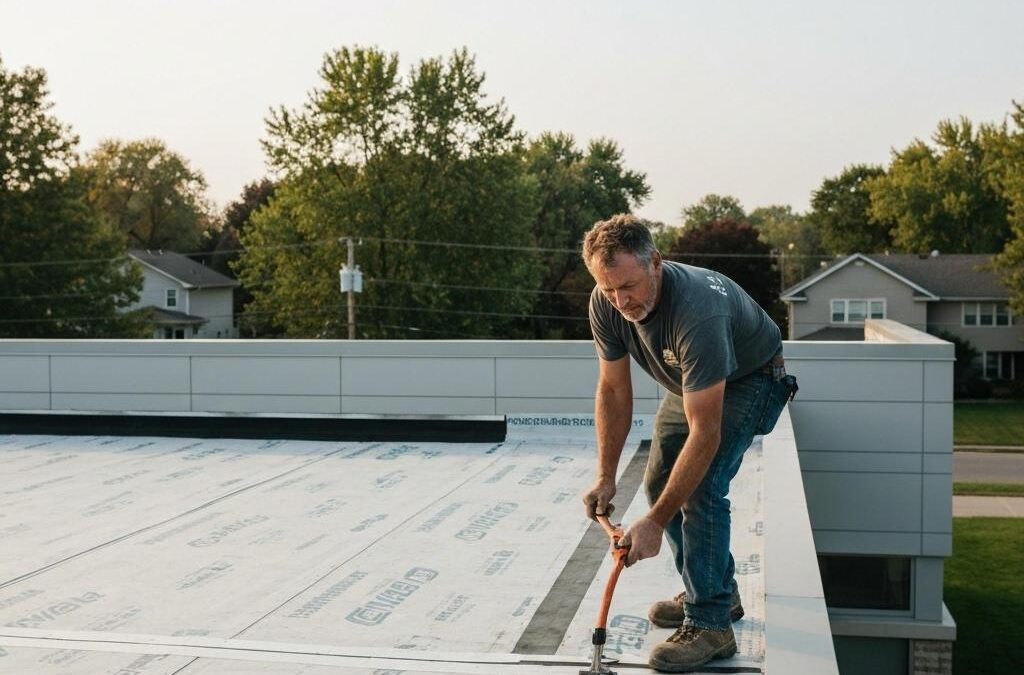
Commercial Roof Maintenance Programs in Minnesota: Inspection & Preventive Maintenance Guide
Expert Inspection Services
- Membrane Condition: Inspecting the roof membrane for signs of wear, damage, or deterioration is crucial for maintaining waterproofing.
- Flashing Integrity: Ensuring that flashing is intact and properly sealed prevents water intrusion at critical junctions.
- Documentation: Keeping detailed records of inspections helps track the roof's condition over time and supports warranty claims.
Preventive Maintenance Strategies
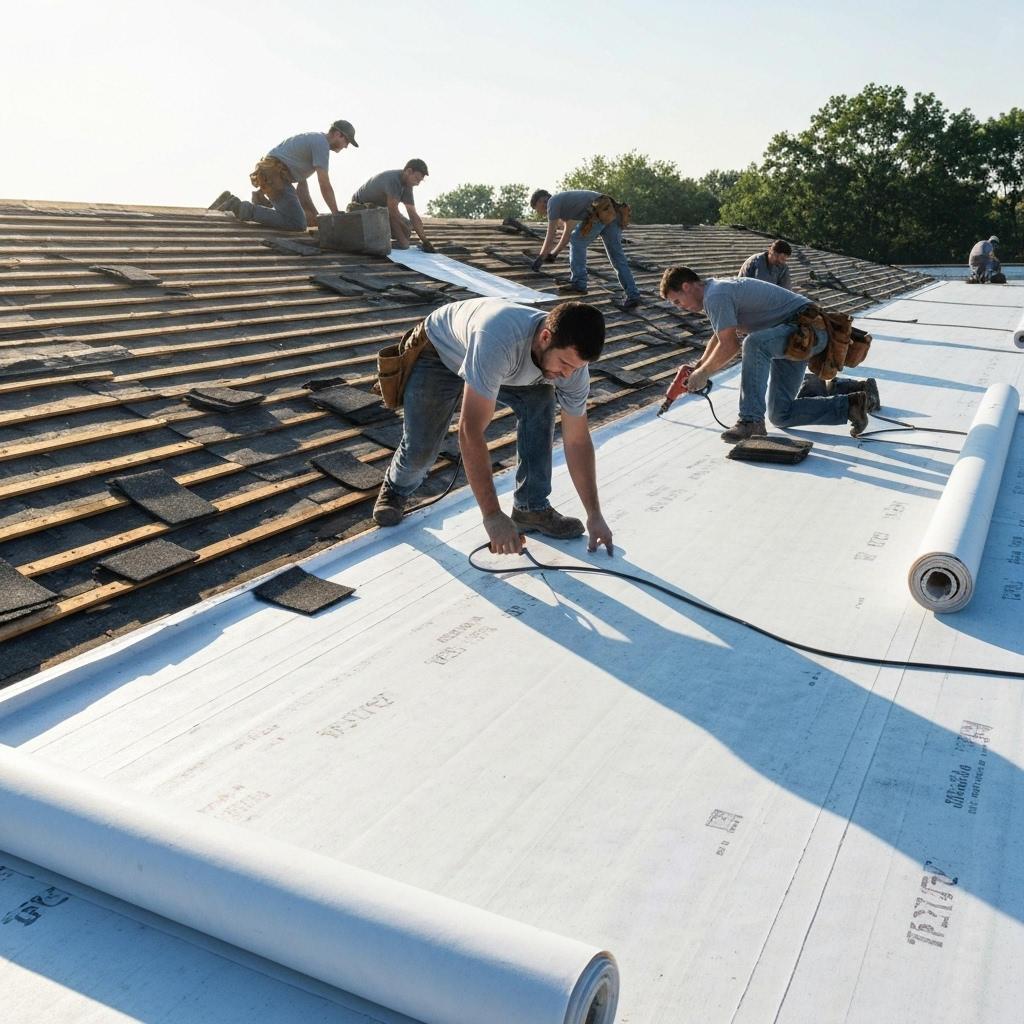
Benefits of Modern Preventive Maintenance Strategies for Facilities
Properly implemented preventive maintenance PM strategies can provide many benefits to an organization in terms of extending equipment life, optimizing resource expenditures, and balancing work schedules. Periodic evaluation of a PM strategy can help identify ways to improve efficiencies and maximize its effectiveness.
Modernizing a preventive maintenance strategy for facility and infrastructure maintenance, 2009
- Routine Maintenance Tasks: Regular cleaning and maintenance tasks, such as removing debris and checking drainage systems, are vital for preventing water damage and other issues.
- Targeted Repairs: Addressing minor repairs promptly can prevent them from escalating into major problems that require costly interventions.
- Emergency Response Planning: Having a plan in place for unexpected events, such as severe storms, ensures that businesses can respond quickly to protect their assets.
Protecting Business Investments
What Are the Essential Components of a Minnesota Commercial Roof Maintenance Program?
- Regular Inspections: Conducting inspections at least twice a year to assess the roof's condition.
- Comprehensive Assessments: Covering critical areas such as membrane condition, flashing integrity, and drainage systems.
- Documentation: Keeping detailed records of inspections and maintenance activities to support warranty claims and future planning.
How Does Preventive Roof Maintenance Extend Roof Lifespan?
What Does a Roof Maintenance Checklist for Businesses Include?
- Inspection of Roof Membrane: Check for signs of wear or damage.
- Flashing and Sealant Checks: Ensure all flashing is intact and properly sealed.
- Drainage System Assessment: Clear any debris from gutters and downspouts.
How Often Should Commercial Roof Inspection Services Be Conducted in Minnesota?
What Are the Recommended Inspection Frequencies for Different Roof Types?
- Flat Roofs: Biannual inspections are standard, with quarterly checks recommended for warranty roofs.
- Metal Roofs: Inspections should occur at least twice a year, with additional assessments after severe weather.
- Membrane Roofs: Regular inspections are essential to ensure the integrity of seams and flashing.
How Do Advanced Technologies Enhance Roof Inspection Accuracy?
Drone-Based Roof Inspection: Enhancing Safety & Efficiency
The traditional roof inspection tends to be a slow and challenging task, mainly due to accessibility limitations and the risk of falls from height. In recent years, the adoption of new technologies, such as the Unmanned Aerial System (UAS) to support the inspection process has proven to be an effective option to overcome such problems. Therefore, this study aims to evaluate the use of UAS for roof inspection on post-occupation residential buildings, seeking to assist in the decision-making process.
Using uas for roofs structure inspections at post-occupational residential buildings, R Melo, 2020
What Are the Cost Benefits and ROI of Preventive Roof Repair Services?
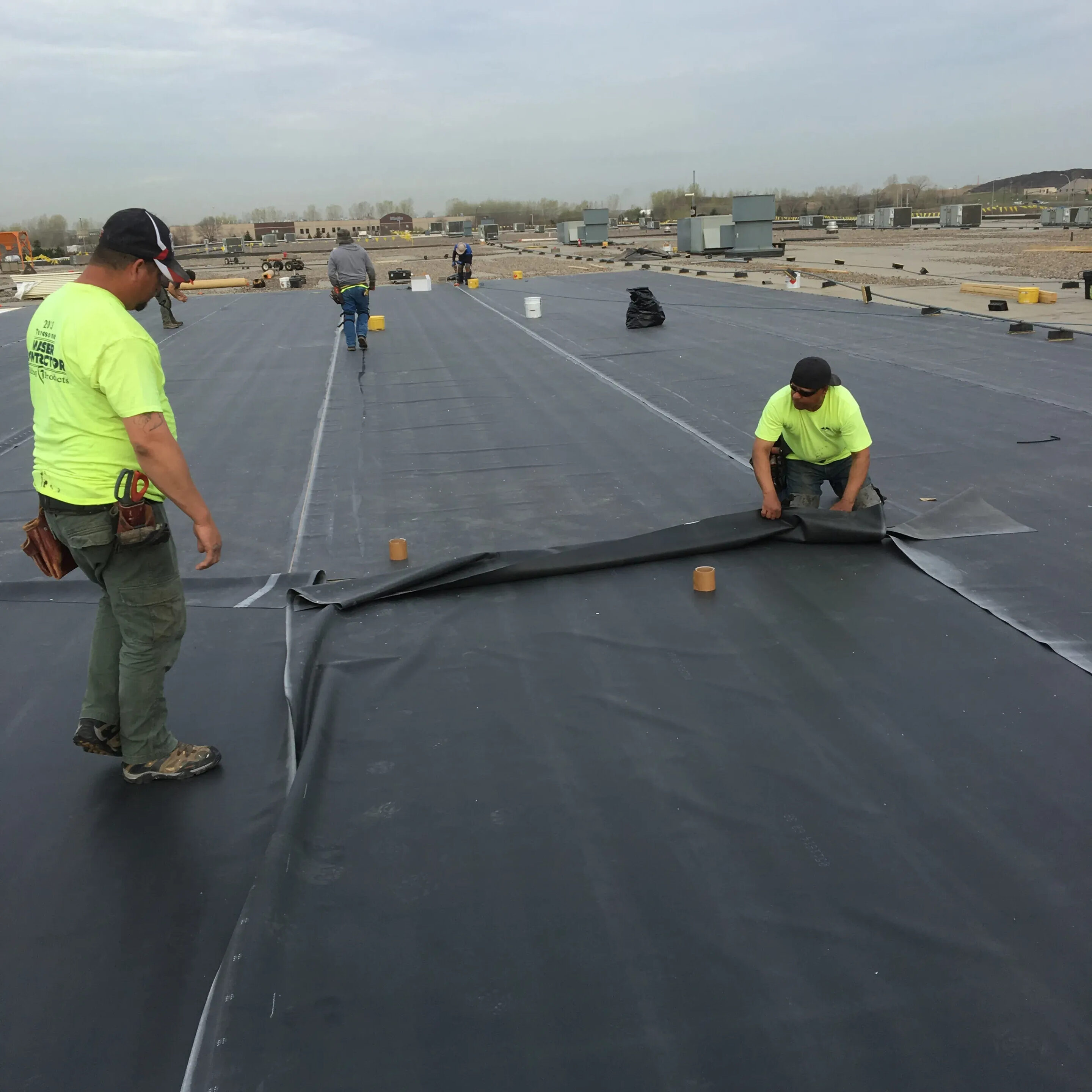
Which Roof Types Require Tailored Maintenance Programs in Minnesota?
- Flat Roofs: Require specific maintenance strategies to address pooling water and drainage issues.
- Metal Roofs: Need regular inspections to prevent rust and corrosion.
- Membrane Roofs: Require frequent checks of seams and flashing to ensure waterproofing.
What Are the Best Practices for Flat Roof Maintenance Programs?
- Regular Inspections: Conduct inspections at least twice a year to identify potential issues.
- Cleaning: Remove debris and ensure proper drainage to prevent water pooling.
- Prompt Repairs: Address any damage immediately to prevent further deterioration.
How Do Maintenance Needs Differ for Membrane and Metal Roofs?
What Warranty and Compliance Considerations Should Minnesota Businesses Know?
How Do Maintenance Programs Support Warranty Validity?
What Local Regulations Affect Commercial Roof Maintenance in Minnesota?
How Can Energy Efficiency and Sustainability Be Integrated into Roof Maintenance?
Sustainable Roofs: Doubling Lifespan & Boosting Maintenance Value
The potential exists to design, construct, and maintain roofs that last twice as long and reduce the building space heating and cooling energy loads resulting from the roof by 50% (based on the current predominant design of a 10-year life and a single layer of 1 to 2 in. (2.5 to 5.1 cm) of insulation). The opportunity to provide better low-slope roofs and sell more roof maintenance service
Sustainable roofs with real energy savings, 1996
What Energy-Efficient Roofing Materials Are Recommended for Minnesota Commercial Buildings?
- TPO (Thermoplastic Olefin): Known for its reflective properties and energy efficiency.
- EPDM (Ethylene Propylene Diene Monomer): Offers durability and excellent weather resistance.
- Reflective Coatings: Enhance energy efficiency by reducing heat absorption.