
Commercial Skylight Installation for Minnesota Businesses: Benefits, Costs & What to Expect

Commercial skylight installation is a transformative solution for businesses in Minnesota, enhancing natural light and improving energy efficiency. This article delves into the various benefits of skylight installation, the associated costs, and what businesses can expect during the installation process. Many companies struggle with high energy bills and inadequate natural lighting, which can affect employee productivity and overall ambiance. Skylights offer a practical solution by allowing more sunlight into commercial spaces, reducing reliance on artificial lighting and improving the work environment. We will explore the benefits, costs, and installation processes, providing a comprehensive overview for Minnesota businesses considering this investment.

Commercial Skylight Installation in Minnesota: Overview

Commercial skylight installation involves integrating skylights into the roofs of commercial buildings to enhance natural lighting. This practice is particularly important for Minnesota businesses, where long winters can lead to a lack of sunlight in indoor spaces. Skylights not only improve the aesthetic appeal of a building but also contribute to energy efficiency by reducing the need for artificial lighting. The installation process requires careful planning and execution to ensure that the skylights are properly sealed and insulated, preventing leaks and heat loss.

Benefits:

Natural Light

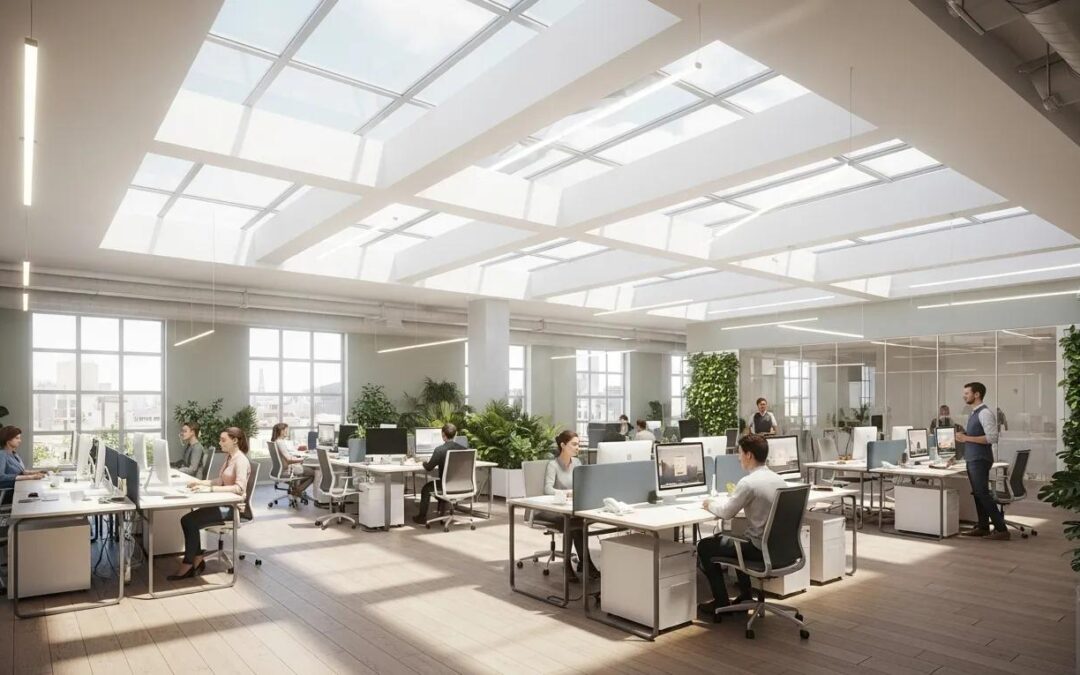
Natural light is one of the most significant benefits of commercial skylight installation. Skylights allow sunlight to flood into the workspace, creating a bright and inviting atmosphere. This enhancement of natural light can significantly improve the ambiance of a commercial space, making it more appealing to both employees and customers. Moreover, increased natural light reduces the reliance on artificial lighting, leading to lower energy consumption and costs.

Energy Efficiency

Energy efficiency is a crucial consideration for businesses looking to reduce operational costs. Commercial skylights can contribute to energy savings by allowing natural light to illuminate spaces during the day. Studies have shown that buildings with skylights can reduce their energy consumption by up to 20%. This reduction in energy use not only lowers utility bills but also supports sustainability efforts, making skylights an attractive option for environmentally conscious businesses.

Employee Well-being

The impact of natural light on employee well-being cannot be overstated. Research indicates that exposure to natural light can improve mood, increase productivity, and enhance overall job satisfaction. Employees working in well-lit environments are less likely to experience fatigue and eye strain, leading to a healthier and more engaged workforce. By installing skylights, businesses can create a more pleasant working environment that fosters employee well-being.

Further research supports the positive correlation between natural light exposure and improved workplace satisfaction and psychological well-being.

Sunlight’s Impact on Commercial Workplace Well-being & Job Satisfaction

This study has as main objective to observe the difference in job satisfaction, psychological well-being and perceived confinement of commercial workers due to solar exposure in the work space. The results showed that the participants in the direct exposure work places present superior mean values in the variables compared to the other conditions’ participants. Perceived confinement has a predictive effect on job satisfaction and on psychological well-being, which meets what was expected.

Effects of sunlight on psychological well-being, job satisfaction and confinement perception of workplace: The case of shopkeepers and marketers, G Gonçalves, 2019

Aesthetic Appeal

Skylights also enhance the architectural beauty of commercial buildings. They can be designed in various styles, including fixed, venting, and tubular skylights, allowing businesses to choose options that best fit their aesthetic preferences. The visual appeal of skylights can attract tenants and customers, contributing to a positive first impression and potentially increasing foot traffic.

Increased Property Value

Investing in commercial skylight installation can lead to an increase in property value. Properties that feature modern, energy-efficient designs are often more attractive to potential buyers and tenants. The addition of skylights can be seen as a long-term investment, enhancing the marketability of a property and potentially leading to higher rental rates or sale prices.

For businesses in Minnesota, Allweather Roof specializes in comprehensive commercial roofing solutions, including skylight installation. Their expertise ensures that businesses receive high-quality installations that maximize the benefits of natural light and energy efficiency.

Costs:

The costs associated with commercial skylight installation can vary based on several factors, including the type of skylight, the size of the installation, and the complexity of the project. On average, businesses can expect to pay between $1,500 and $3,500 per skylight, depending on these variables. Additional costs may include structural modifications, labor, and materials. It is essential for businesses to conduct a thorough cost assessment before proceeding with installation to ensure that they stay within budget.

Type of SkylightAverage CostInstallation Factors
Fixed Skylights$1,500 - $2,500Simpler installation, less labor-intensive
Venting Skylights$2,000 - $3,500Requires additional mechanisms for ventilation
Tubular Skylights$1,200 - $2,800Compact design, suitable for smaller spaces

Understanding these costs can help businesses make informed decisions about their skylight installation projects.

Installation Process:

The installation process for commercial skylights typically involves several key steps. First, a thorough assessment of the building’s roof structure is conducted to determine the best location for the skylights. Next, the installation team will prepare the roof by creating openings and ensuring proper sealing to prevent leaks. Once the skylights are installed, a post-installation inspection is performed to ensure everything is functioning correctly. The entire process can take anywhere from a few days to a couple of weeks, depending on the project’s complexity.

What Are the Key Benefits of Commercial Skylight Installation in Minnesota?

The key benefits of commercial skylight installation for Minnesota businesses include enhanced energy efficiency, improved employee well-being, and increased property value. By allowing natural light into the workspace, businesses can reduce energy costs and create a more pleasant working environment. Additionally, the aesthetic appeal of skylights can attract more customers and tenants, further enhancing the value of the property.

How Do Skylights Enhance Natural Lighting and Building Aesthetics?

Skylights enhance natural lighting by allowing sunlight to penetrate deep into the building, illuminating areas that may otherwise remain dark. This influx of natural light not only improves visibility but also creates a more inviting atmosphere. Aesthetically, skylights can be designed to complement the architectural style of the building, adding a modern touch that appeals to both employees and visitors.

In What Ways Do Energy Efficient Commercial Skylights Reduce Operational Costs?

Energy-efficient commercial skylights reduce operational costs by minimizing the need for artificial lighting during daylight hours. By harnessing natural light, businesses can lower their electricity bills significantly. Additionally, many energy-efficient skylights are designed to provide insulation, helping to regulate indoor temperatures and further reduce heating and cooling costs.

What Are the Typical Costs and Pricing Factors for Commercial Skylight Installation?

Typical costs for commercial skylight installation range from $1,500 to $3,500 per unit, influenced by factors such as the type of skylight, installation complexity, and any necessary structural modifications. Businesses should also consider ongoing maintenance costs, which can vary based on the type of skylight and the local climate.

Which Factors Influence Commercial Skylight Installation Costs in Minnesota?

Several factors influence the costs of commercial skylight installation in Minnesota, including the type of skylight chosen, the size of the installation, and the complexity of the project. Additionally, local labor rates and material costs can significantly impact the overall expenses. Businesses should obtain multiple quotes to ensure they receive competitive pricing.

How Does Local Labor and Material Pricing Affect Total Project Expenses?

Local labor and material pricing play a crucial role in determining the total expenses of a skylight installation project. In areas where labor costs are higher, businesses may face increased installation fees. Similarly, fluctuations in material costs can affect the overall budget. It is advisable for businesses to factor these variables into their project planning.

What Types of Commercial Daylighting Systems Are Available for Minnesota Businesses?
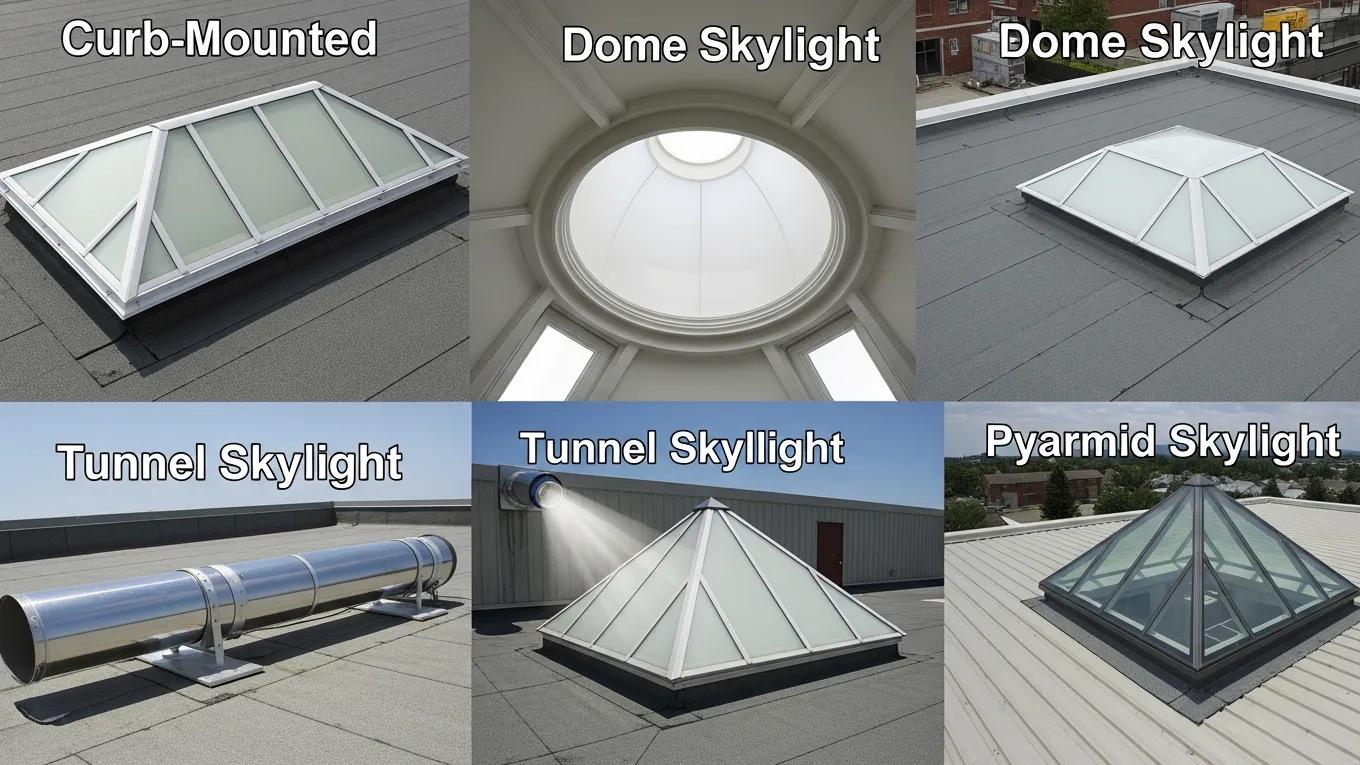
Minnesota businesses have access to various types of commercial daylighting systems, including curb-mounted skylights, dome skylights, tunnel skylights, and pyramid skylights. Each type offers unique benefits and can be selected based on the specific needs of the building and its occupants.

What Are the Features of Tubular, Flat, and Pyramid Skylights?

Different skylight types come with distinct features that cater to various architectural needs. Tubular skylights are compact and ideal for smaller spaces, while flat skylights provide a sleek, modern look. Pyramid skylights, on the other hand, offer a dramatic architectural element that can enhance the visual appeal of a building.

How Do Different Skylight Types Impact Energy Efficiency and Maintenance?

The energy efficiency and maintenance requirements of skylight types can vary significantly. For instance, venting skylights may require more maintenance due to their moving parts, while fixed skylights generally have lower maintenance needs. Additionally, energy-efficient models often come with better insulation properties, contributing to overall energy savings.

What Is the Commercial Skylight Installation Process and Expected Timeline?
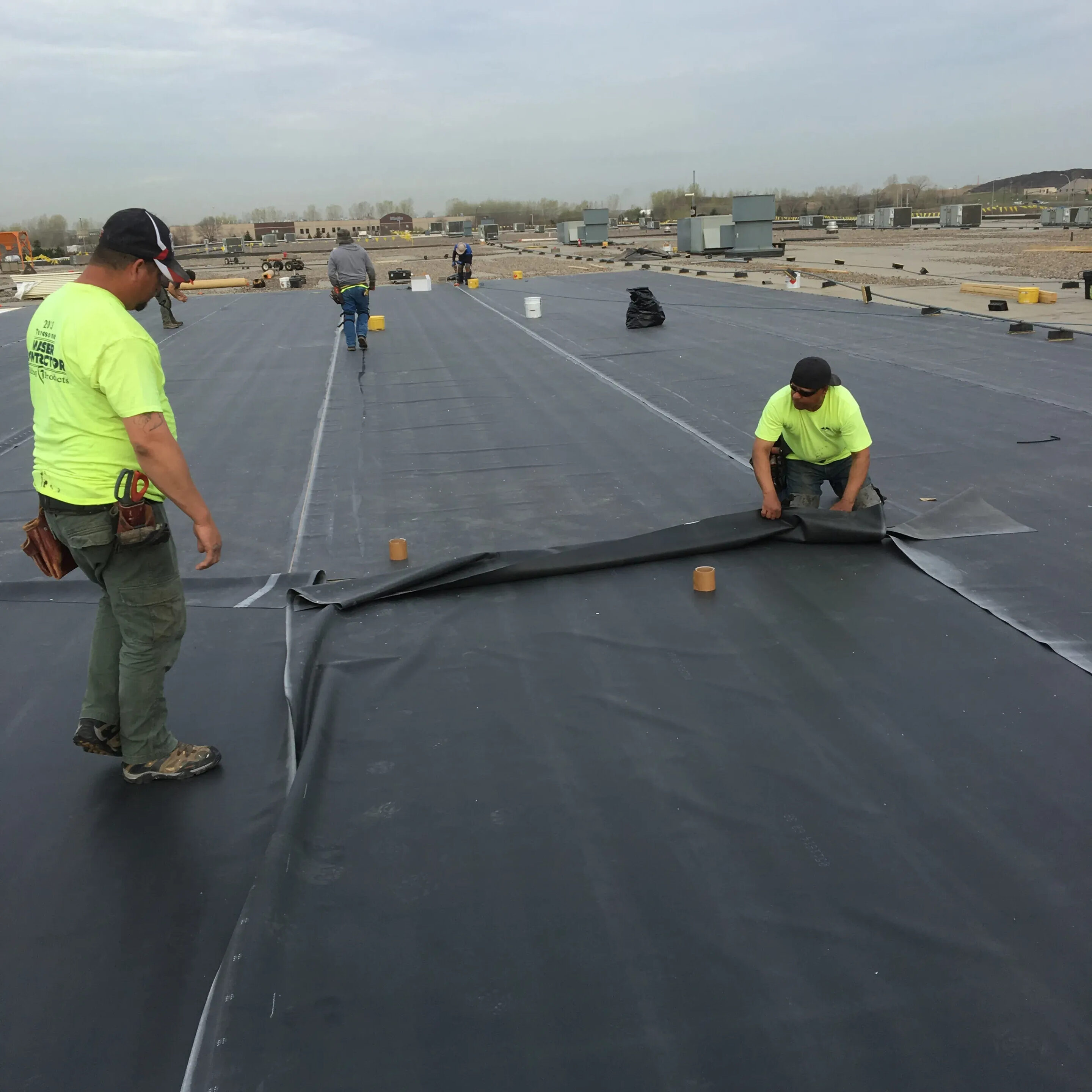
The commercial skylight installation process typically involves assessment, preparation, installation, and inspection. The expected timeline can range from a few days to several weeks, depending on the project’s complexity and the number of skylights being installed.

What Maintenance and Warranty Options Are Available for Commercial Skylights?

Maintenance for commercial skylights generally includes regular cleaning and inspections to ensure proper functionality. Many manufacturers offer warranties that cover defects and performance issues, providing businesses with peace of mind regarding their investment.

What Minnesota Permitting and Regulatory Requirements Affect Skylight Installation?

In Minnesota, businesses must adhere to specific permitting and regulatory requirements when installing skylights. This may include obtaining building permits and ensuring compliance with local building codes. It is essential for businesses to consult with local authorities to ensure all regulations are met.

Which Building Permits Are Required for Commercial Skylight Installation in Minnesota?

Building permits are typically required for commercial skylight installations in Minnesota. These permits ensure that the installation meets safety and structural standards. Businesses should check with their local building department to determine the specific permits needed for their project.

How Does Compliance with Minnesota Roofing Codes Ensure Safety and Quality?

Compliance with Minnesota roofing codes is crucial for ensuring the safety and quality of skylight installations. These codes set standards for materials, installation practices, and structural integrity, helping to prevent issues such as leaks and structural failures. Adhering to these codes not only protects the investment but also ensures the safety of the building’s occupants.