Commercial Re-Roofing vs. Roof Replacement in Minnesota: Essential Insights for Business Owners

When it comes to maintaining the integrity of commercial buildings, understanding the differences between commercial re-roofing and roof replacement is crucial for Minnesota business owners. This article will provide a comprehensive overview of these two roofing options, helping you make informed decisions that align with your business needs. As a business owner, you may face challenges such as budget constraints, regulatory requirements, and the need for long-term durability. This guide will explore key differences, cost considerations, regulatory requirements, and long-term benefits associated with each option. By the end, you will have a clearer understanding of which roofing solution is best suited for your commercial property.

Key Differences

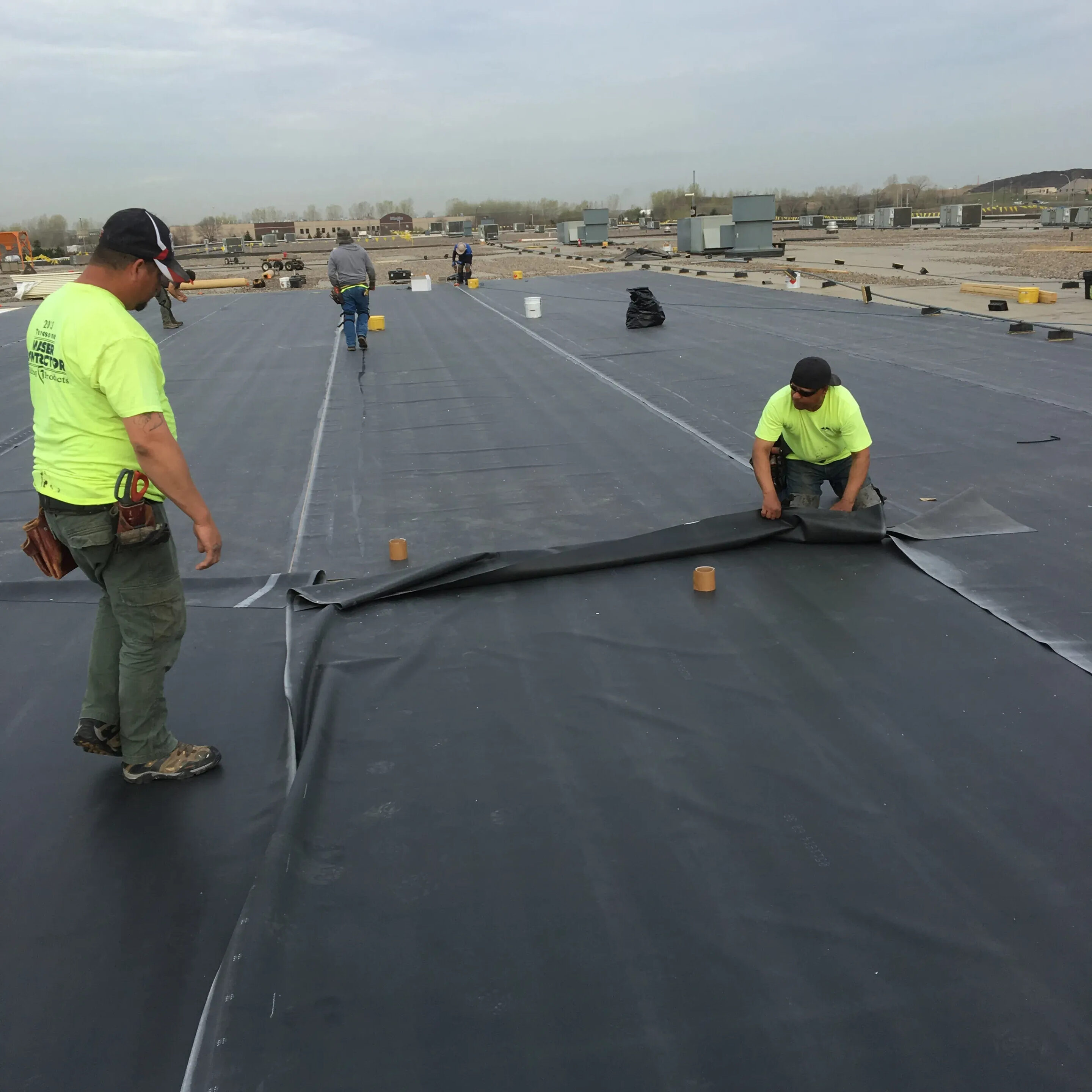
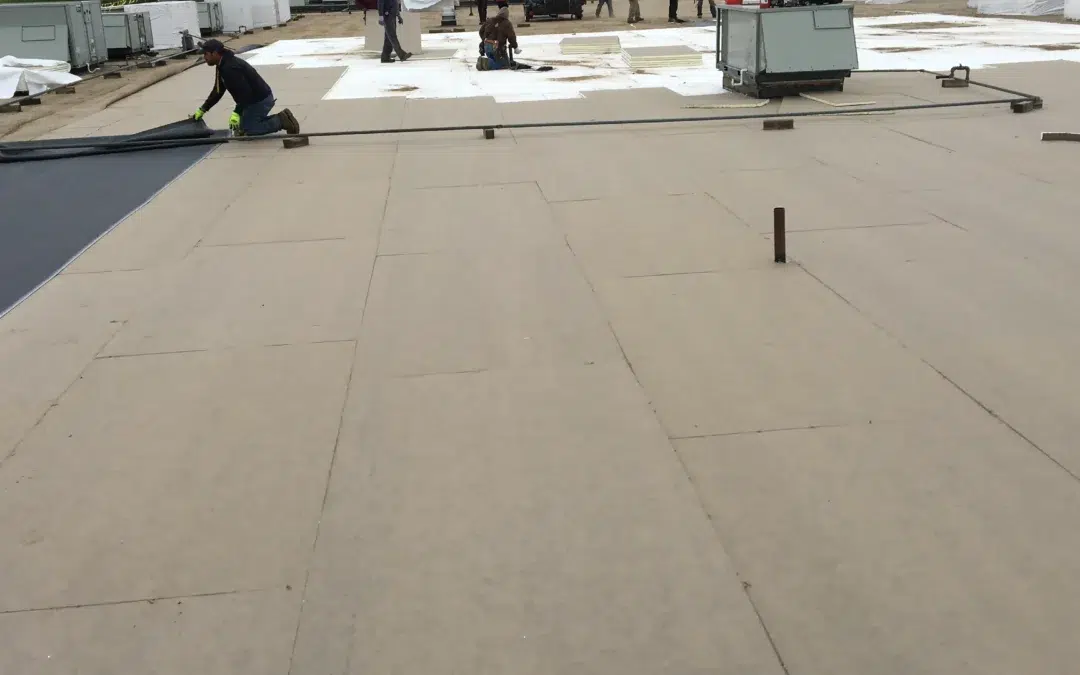
Commercial re-roofing and roof replacement are two distinct approaches to roofing that serve different needs. Re-roofing involves adding a new layer of roofing material over the existing roof, which can be a cost-effective solution for minor repairs and extending the roof’s lifespan. In contrast, roof replacement entails removing the old roof entirely and installing a new one, which is necessary when the existing roof is severely damaged or at the end of its life cycle. Understanding these fundamental differences is essential for determining the best course of action for your building.

Cost Considerations

When evaluating roofing options, cost is a significant factor for business owners. The average cost of commercial re-roofing typically ranges from $6 to $12 per square foot, while a full roof replacement can cost between $12 and $25 per square foot. Factors influencing these costs include the type of roofing materials used, labor expenses, and the complexity of the installation.

ServiceCost per Square FootBenefits
Commercial Re-Roofing$6 - $12Cost-effective, quick installation
Roof Replacement$12 - $25Long-term durability, comprehensive solution

Investing in a roof replacement may seem more expensive upfront, but it can lead to significant long-term savings by reducing maintenance costs and improving energy efficiency. Consulting with a professional roofing contractor can help you assess your specific needs and budget.

Regulatory Requirements

Navigating the regulatory landscape is crucial when undertaking roofing projects. In Minnesota, commercial roofing projects must comply with local building codes and regulations. This includes obtaining the necessary permits and ensuring that the work meets safety and quality standards. Hiring knowledgeable contractors who are familiar with these regulations can help streamline the process and avoid potential legal issues.

Long-Term Benefits

Both commercial re-roofing and roof replacement offer unique long-term benefits. Re-roofing can extend the lifespan of your existing roof, providing a temporary solution that can delay the need for a full replacement. This option is particularly beneficial for businesses looking to manage costs in the short term.

On the other hand, a full roof replacement can significantly enhance the overall value of your property. New roofing materials often come with improved energy efficiency, which can lead to lower utility bills. Additionally, a new roof can enhance the aesthetic appeal of your building, making it more attractive to customers and clients. For tailored insights into the long-term benefits of roofing options, consulting with Allweather Roof can provide valuable guidance.

What Are the Key Differences Between Commercial Re-Roofing and Roof Replacement?

The primary distinction between commercial re-roofing and roof replacement lies in the extent of the work involved. Re-roofing is a less invasive process that adds a new layer to the existing roof, while replacement requires complete removal and installation. This fundamental difference affects not only the cost but also the longevity and effectiveness of the roofing solution.

How Does Commercial Re-Roofing Extend Roof Lifespan and Enhance Durability?

Commercial re-roofing can extend the lifespan of a roof by providing an additional protective layer. This process often involves the use of modern materials that enhance durability and resistance to weather elements. By addressing minor issues before they escalate, re-roofing can significantly prolong the life of your existing roof, making it a practical choice for many business owners.

When Is a Full Roof Replacement Necessary for Commercial Buildings?

A full roof replacement becomes necessary when the existing roof shows signs of extensive wear, such as frequent leaks, significant damage, or age-related deterioration. If your roof is nearing the end of its expected lifespan or has undergone multiple repairs, it may be time to consider a complete replacement to ensure the safety and functionality of your building.

How Do Costs Compare Between Commercial Re-Roofing and Roof Replacement in Minnesota?

In Minnesota, the costs associated with commercial re-roofing and roof replacement can vary significantly based on several factors. On average, re-roofing is less expensive than replacement, making it an attractive option for businesses with budget constraints. However, the long-term savings associated with a new roof can outweigh the initial investment, particularly when considering energy efficiency and reduced maintenance costs.

What Local Factors Influence Commercial Roofing Costs in Minnesota?

Several local factors can influence the costs of commercial roofing in Minnesota. These include:

  • Material Selection: The type of roofing materials chosen can significantly impact overall costs.
  • Labor Costs: Local labor rates can vary, affecting the total project cost.
  • Regulatory Requirements: Compliance with local building codes may add to the complexity and cost of roofing projects.

Understanding these factors can help business owners make informed decisions when planning their roofing projects.

How Can Business Owners Maximize Cost-Effectiveness Through Roofing Choices?

To maximize cost-effectiveness, business owners should consider the following strategies:

  1. Choose Quality Materials: Investing in high-quality roofing materials can reduce long-term maintenance costs.
  2. Regular Maintenance: Implementing a regular maintenance schedule can help identify issues early and extend the roof's lifespan.
  3. Consult Professionals: Engaging with experienced roofing contractors can provide valuable insights into the best options for your specific needs.

By following these strategies, business owners can ensure that their roofing investments yield the best possible returns.

What Are the Signs Indicating the Need for Commercial Roof Replacement?

Several signs may indicate that a commercial roof replacement is necessary, including:

  • Visible Damage: Cracks, blisters, or missing shingles can signal the need for replacement.
  • Persistent Leaks: Frequent leaks, especially after repairs, may indicate underlying issues.
  • Age of the Roof: If the roof is nearing the end of its expected lifespan, replacement should be considered.

Recognizing these signs early can help prevent more extensive damage and costly repairs.

How Does Minnesota’s Climate Impact Roof Condition and Replacement Timing?

Minnesota’s climate can significantly impact the condition of commercial roofs. The harsh winters and heavy snowfall can lead to increased wear and tear, making regular inspections essential. Additionally, the timing of roof replacements should consider seasonal weather patterns to ensure optimal installation conditions.

Which Inspection Techniques Identify Critical Roof Damage Early?

Early detection of roof damage is crucial for maintaining the integrity of commercial buildings. Effective inspection techniques include:

  • Visual Inspections: Regular visual checks can help identify obvious signs of damage.
  • Thermal Imaging: This technology can detect hidden moisture issues that may not be visible.
  • Professional Evaluations: Engaging roofing professionals for comprehensive assessments can provide a thorough understanding of the roof's condition.

Implementing these techniques can help business owners address issues before they escalate.

Which Roofing Materials Are Best Suited for Commercial Re-Roofing and Replacement?

Selecting the right roofing materials is essential for both re-roofing and replacement projects. Some of the best-suited materials include:

  • TPO (Thermoplastic Olefin): Known for its energy efficiency and durability.
  • EPDM (Ethylene Propylene Diene Monomer): A popular choice for flat roofs due to its weather resistance.
  • Metal Roofing: Offers longevity and low maintenance, making it ideal for various commercial applications.

Choosing the right materials can enhance the performance and lifespan of your roofing system.

What Are the Benefits of Energy-Efficient and Sustainable Roofing Options?

Energy-efficient and sustainable roofing options provide numerous benefits, including:

  • Lower Energy Costs: Reflective materials can reduce cooling costs during hot months.
  • Environmental Impact: Sustainable materials contribute to reduced waste and environmental preservation.
  • Increased Property Value: Energy-efficient roofs can enhance the overall value of commercial properties.

These benefits make sustainable roofing options an attractive choice for environmentally conscious business owners.

How Do Material Choices Affect Roof Longevity and Maintenance Needs?

The choice of roofing materials directly impacts the longevity and maintenance requirements of a roof. High-quality materials typically require less maintenance and can withstand harsh weather conditions, leading to a longer lifespan. Conversely, lower-quality materials may necessitate more frequent repairs and replacements, ultimately increasing costs over time.

How Do Professional Commercial Roofing Contractors in Minnesota Support Business Owners?

Professional roofing contractors play a vital role in supporting business owners throughout the roofing process. They offer expertise in material selection, installation techniques, and compliance with local regulations. By leveraging their knowledge, business owners can make informed decisions that align with their specific needs and budget.

What Advanced Technologies Do Contractors Use for Accurate Roof Assessments?

Contractors utilize advanced technologies to conduct accurate roof assessments, including:

  • Drone Technology: Provides aerial views for comprehensive inspections.
  • Aerial Imaging: Captures detailed images of the roof's condition.
  • Data-Driven Assessments: Leverages analytics to inform decision-making.

These technologies enhance the accuracy of assessments and help identify potential issues early.

How Does a Consultative Approach Ensure Quality and Safety in Roofing Projects?

A consultative approach to roofing projects emphasizes collaboration between contractors and business owners. This method ensures that all aspects of the project, including material selection and safety protocols, are thoroughly discussed and agreed upon. By fostering open communication, business owners can feel confident in the quality and safety of their roofing solutions.

What Maintenance Practices Optimize the Performance of Commercial Roofs Post-Installation?

To optimize the performance of commercial roofs after installation, business owners should implement the following maintenance practices:

  1. Regular Inspections: Schedule routine inspections to identify and address issues early.
  2. Cleaning and Debris Removal: Keep the roof clear of debris to prevent water pooling and damage.
  3. Minor Repairs: Address small issues promptly to prevent them from escalating into larger problems.

These practices can significantly extend the lifespan of commercial roofs and enhance their overall performance.

How Can Regular Roof Inspections Prevent Costly Repairs and Extend Roof Life?

Regular roof inspections are essential for preventing costly repairs and extending the life of commercial roofs. By identifying issues early, business owners can address them before they lead to significant damage. This proactive approach not only saves money but also ensures the safety and functionality of the building.

What Are Recommended Maintenance Schedules for Minnesota Commercial Roofs?

Establishing a maintenance schedule is crucial for the longevity of commercial roofs in Minnesota. Recommended practices include:

  • Quarterly Inspections: Conduct thorough inspections every three months to catch potential issues.
  • Seasonal Maintenance: Perform maintenance tasks before and after winter to prepare for harsh weather conditions.
  • Annual Professional Evaluations: Engage roofing professionals for comprehensive assessments at least once a year.

Following these guidelines can help ensure that commercial roofs remain in optimal condition throughout their lifespan.