

Comprehensive Commercial Roof Inspection Services in Minnesota: What to Expect

Commercial roof inspections are essential for maintaining the integrity and longevity of roofing systems in Minnesota. These inspections involve a thorough assessment of the roof’s condition, identifying potential issues before they escalate into costly repairs. Understanding what to expect during a commercial roof inspection can help property managers and building owners make informed decisions about maintenance and repairs. This article will guide you through the components of a commercial roof inspection, the recommended frequency of inspections, and the impact of preventative maintenance on roof longevity. Additionally, we will discuss the typical costs associated with these services and why choosing a reputable provider like Allweather Roof is crucial for ensuring quality and reliability.

What Does a Commercial Roof Inspection Include in Minnesota?

A commercial roof inspection in Minnesota typically includes a comprehensive evaluation of various components, ensuring that all aspects of the roof are assessed for potential issues. The inspection process generally involves visual assessments, moisture detection, and structural evaluations. Inspectors will look for signs of wear and tear, such as damaged flashing, ponding water, and compromised drainage systems.

To provide a clearer understanding of what a commercial roof inspection entails, the following table outlines the key components, their descriptions, and their importance:

ComponentDescriptionImportance
Visual InspectionA thorough examination of the roof surface and components.Identifies visible damage and wear.
Moisture DetectionUse of specialized tools to detect hidden moisture.Prevents mold growth and structural damage.
Structural EvaluationAssessment of the roof's structural integrity.Ensures safety and compliance with regulations.

These components work together to provide a complete picture of the roof’s condition, allowing for timely maintenance and repairs.

Regarding the critical aspect of moisture detection, research has explored various advanced nondestructive methods, with infrared surveys proving particularly effective for identifying hidden moisture in roofs.

Advanced Infrared & Nondestructive Roof Moisture Detection

Nuclear, infrared, capacitance, microwave and impulse radar methods for nondestructively detecting moisture in roofs were evaluated. Airborne infrared surveys are a cost-effective way of reconnoitering numerous roofs at a major installation. Hand-held infrared surveys are the most accurate on-the-roof method studied. Where numerous roofs are to be surveyed, infrared surveys appear to be the most cost-effective method.

Summary of Corps of Engineers Research on Roof Mositure Detection and the Thermal Resistance of Wet Insulation., 1978

How Often Should Commercial Roofs Be Inspected in Minnesota?

The frequency of commercial roof inspections in Minnesota can vary based on several factors, including the type of roofing material, the age of the roof, and local weather conditions. Generally, it is recommended that commercial roofs be inspected at least twice a year, ideally in the spring and fall.

Regular inspections help identify potential issues early, reducing the risk of significant damage and costly repairs. For instance, roofs that experience heavy snowfall or ice accumulation may require more frequent inspections to address any damage caused by winter weather.

Allweather Roof specializes in ensuring that your commercial roof is inspected regularly, helping you maintain its integrity and extend its lifespan.

Recommended Inspection Frequency Based on Roof Type and Climate

Different roofing materials and local climate conditions can influence the recommended frequency of inspections. For example, flat roofs may require more frequent inspections due to their susceptibility to water pooling, while sloped roofs may need less frequent evaluations.

In Minnesota, where harsh winters can lead to ice dams and snow accumulation, it is crucial to inspect roofs after significant weather events. Property managers should consider the following factors when determining inspection frequency:

  • Roof Type: Different materials have varying lifespans and maintenance needs.
  • Local Climate: Areas with heavy snowfall or rain may require more frequent inspections.
  • Building Usage: High-traffic buildings may experience more wear and tear.

By tailoring inspection schedules to these factors, property owners can ensure their roofs remain in optimal condition.

Impact of Preventative Maintenance on Roof Longevity
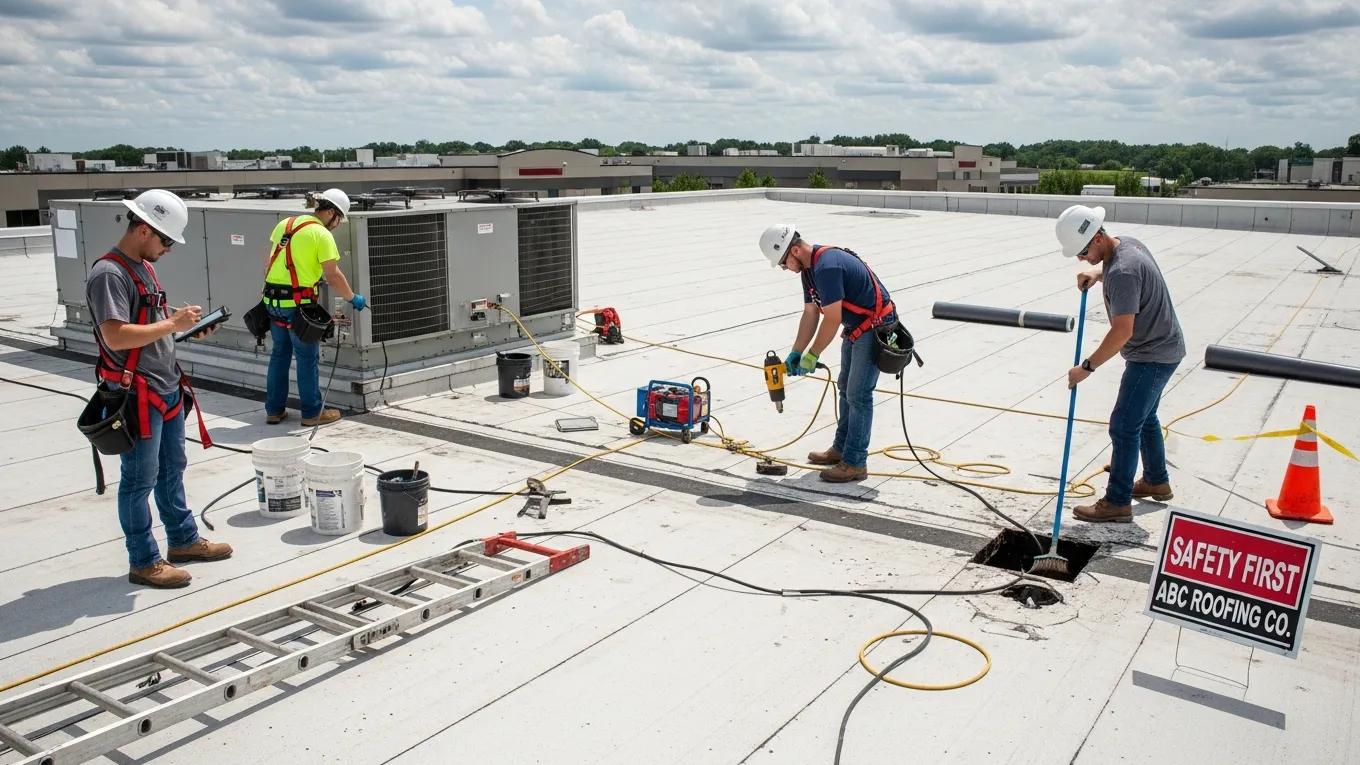
Preventative maintenance plays a vital role in extending the lifespan of commercial roofs. Regular inspections and maintenance can help identify minor issues before they develop into major problems, ultimately saving property owners money in the long run.

Key benefits of preventative maintenance include:

  1. Early Issue Detection: Regular inspections allow for the identification of potential problems before they escalate.
  2. Cost Savings: Addressing minor repairs promptly can prevent costly replacements or extensive repairs.
  3. Increased Lifespan: Consistent maintenance can significantly extend the life of a roof, maximizing the return on investment.

By investing in preventative maintenance, property owners can protect their assets and ensure the longevity of their roofing systems.

Further emphasizing the importance of strategic planning and comprehensive approaches, a report on best practices for commercial building preventive maintenance in Minnesota highlights key strategies for effective management.

Best Practices for Commercial Building Preventive Maintenance in Minnesota

This report identifies seven strategic practices for effectively managing preventive maintenance of Minnesota school district, city, and county buildings; and profiles local jurisdictions currently using them. The following best practices for preventive maintenance are recommended: (1) inventory building components and assess their conditions; (2) build the capacity for ranking maintenance projects and evaluating their costs; (3) plan strategically for preventive maintenance in the long- and short-term.

Preventive Maintenance for Local Government Buildings: A Best Practices Review., 2000

What Is the Typical Cost of Commercial Roof Inspection Services in Minnesota?

The cost of commercial roof inspection services in Minnesota can vary based on several factors, including the size of the roof, the complexity of the inspection, and the specific services provided. On average, property owners can expect to pay between $200 and $500 for a comprehensive inspection.

Factors that may influence the cost include:

  • Roof Size: Larger roofs typically require more time and resources to inspect.
  • Inspection Complexity: More complex roofs may necessitate specialized equipment or techniques.
  • Location: Accessibility and local market rates can also impact pricing.

It is essential for property owners to obtain itemized proposals from inspection services to understand the costs involved fully.

Factors Influencing Commercial Roof Inspection Pricing

Several factors can influence the pricing of commercial roof inspections. Understanding these factors can help property owners make informed decisions when selecting an inspection service. Key considerations include:

  • Square Footage: Larger roofs generally incur higher inspection costs due to the increased time and resources required.
  • Roof Complexity: Roofs with multiple levels, unique designs, or intricate features may require more detailed inspections, affecting pricing.
  • Accessibility: Roofs that are difficult to access may require additional safety measures, increasing overall costs.

By considering these factors, property owners can better anticipate inspection costs and budget accordingly.

Cost-Benefit Analysis of Regular Roof Inspections

Conducting regular roof inspections can yield significant financial benefits for property owners. By identifying and addressing issues early, property managers can avoid costly repairs and extend the lifespan of their roofs.

Key points to consider in a cost-benefit analysis include:

  • Potential Savings: Early detection of issues can save property owners thousands in repair costs.
  • Maintenance Advantages: Regular inspections can lead to more efficient maintenance practices, reducing overall expenses.
  • Long-Term Benefits: Investing in regular inspections can enhance the longevity of the roof, maximizing the return on investment.

Ultimately, the financial benefits of regular inspections far outweigh the costs, making them a wise investment for property owners.

What Should Be Included in a Commercial Roof Inspection Checklist?

A comprehensive commercial roof inspection checklist is essential for ensuring that all critical components are evaluated during the inspection process. Key items to include in a checklist are:

  • Visual Assessment: Inspect the roof surface for visible damage, such as cracks or blisters.
  • Flashing Inspection: Check the condition of flashing around vents, chimneys, and other penetrations.
  • Drainage Systems: Ensure that gutters and downspouts are clear and functioning properly.
  • Interior Inspection: Examine the interior of the building for signs of leaks or water damage.

Having a detailed checklist helps inspectors systematically evaluate the roof and ensures that no critical components are overlooked.

How Detailed Roof Inspection Reports Support Maintenance Decisions

Detailed roof inspection reports are invaluable tools for property managers and building owners. These reports provide a comprehensive overview of the roof’s condition, including identified issues and recommended maintenance actions.

Key components of a quality inspection report include:

  • Photographic Evidence: Visual documentation of any issues found during the inspection.
  • Condition Ratings: Assessment of the roof's condition, often using a rating scale.
  • Maintenance Recommendations: Specific actions to address identified issues and prolong the roof's lifespan.

By utilizing detailed inspection reports, property owners can make informed decisions about maintenance and repairs, ensuring their roofs remain in optimal condition.

How Do Roof Maintenance Services in Minnesota Complement Inspection Findings?
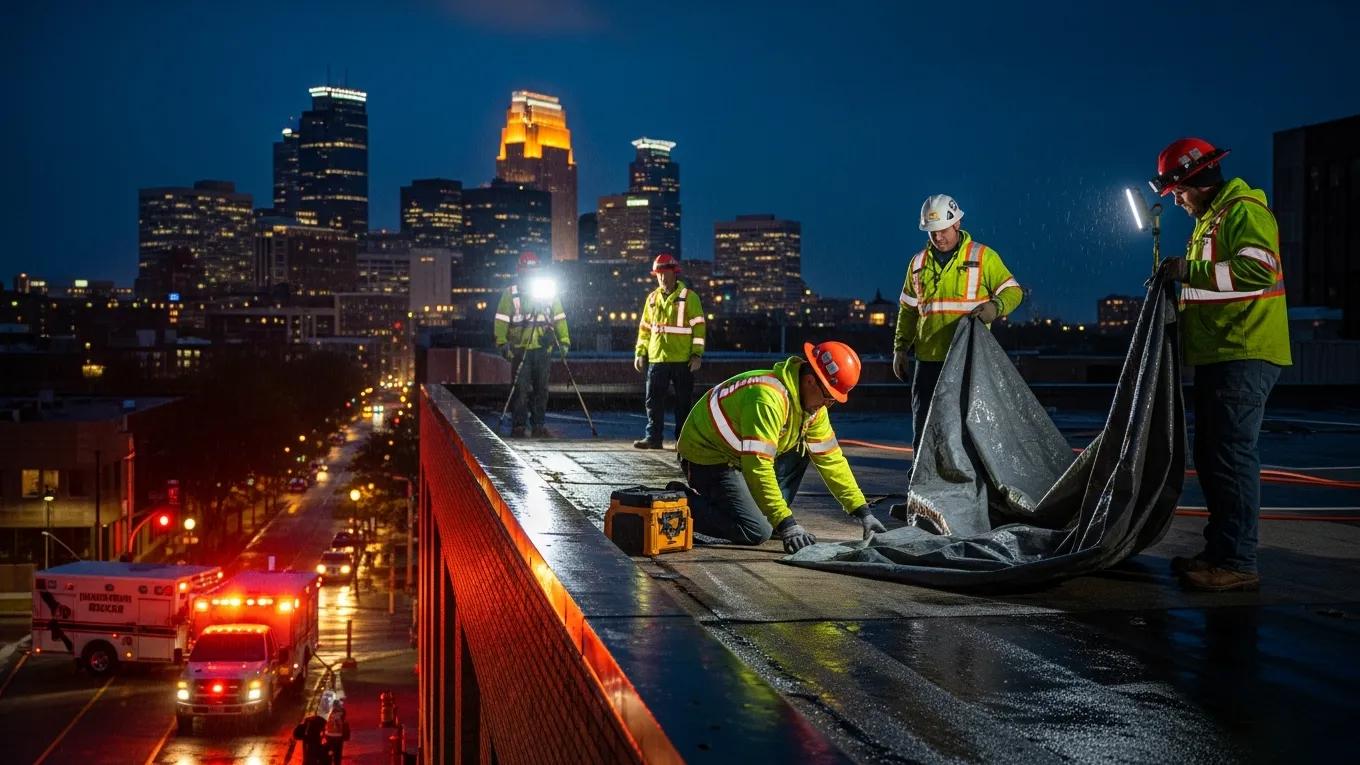
Roof maintenance services play a crucial role in addressing the findings of roof inspections. After an inspection, property owners can implement necessary repairs and maintenance to ensure the roof’s longevity.

Key benefits of integrating maintenance services with inspection findings include:

  • Timely Repairs: Addressing issues identified during inspections promptly can prevent further damage.
  • Enhanced Longevity: Regular maintenance helps extend the life of the roof, maximizing the investment.
  • Improved Safety: Ensuring that roofs are well-maintained reduces the risk of accidents and injuries.

By combining inspection findings with proactive maintenance, property owners can protect their investments and ensure the safety of their buildings.

Recommended Repair and Maintenance Strategies Post-Inspection

After a roof inspection, it is essential to implement recommended repair and maintenance strategies to address any identified issues. Some effective strategies include:

  1. Immediate Repairs: Address any urgent issues, such as leaks or damaged flashing, as soon as possible.
  2. Scheduled Maintenance: Establish a regular maintenance schedule to ensure ongoing roof health.
  3. Preventative Measures: Implement preventative measures, such as cleaning gutters and removing debris, to minimize future issues.

By following these strategies, property owners can maintain their roofs effectively and prevent costly repairs down the line.

Ensuring Safety and Compliance Through Regular Maintenance

Regular roof maintenance is not only essential for prolonging the life of the roof but also for ensuring safety and compliance with local regulations. Neglecting maintenance can lead to safety hazards, such as structural failures or leaks that compromise the building’s integrity.

Key points to consider include:

  • Regulatory Compliance: Regular inspections and maintenance help ensure compliance with local building codes and safety regulations.
  • Safety Assurance: Well-maintained roofs reduce the risk of accidents and injuries for building occupants and maintenance personnel.
  • Insurance Benefits: Maintaining a safe and compliant roof can positively impact insurance premiums and coverage.

By prioritizing regular maintenance, property owners can protect their investments and ensure the safety of their buildings.

Why Choose Allweather Roof for Commercial Roof Inspections in Minnesota?

Choosing the right provider for commercial roof inspections is crucial for ensuring quality and reliability. Allweather Roof stands out as a trusted choice for property managers and building owners in Minnesota.

Key reasons to choose Allweather Roof include:

  • Experience and Qualifications: Allweather Roof has a proven track record of providing high-quality inspection services.
  • Unique Service Offerings: The company offers comprehensive inspection packages tailored to meet the specific needs of each client.
  • Customer Satisfaction Focus: Allweather Roof prioritizes customer satisfaction, ensuring that clients receive the best possible service.

By selecting Allweather Roof for your commercial roof inspection needs, you can rest assured that your roof is in capable hands.

Local Expertise and Commitment to Quality Materials

Allweather Roof’s local expertise and commitment to using high-quality materials set it apart from competitors. The company’s understanding of Minnesota’s unique climate challenges allows it to provide tailored solutions for commercial roofing needs.

Key aspects of Allweather Roof’s approach include:

  • Knowledge of Local Conditions: The team is well-versed in the specific challenges posed by Minnesota's weather, ensuring effective inspections and maintenance.
  • High-Quality Materials: Allweather Roof uses only the best materials to ensure the longevity and durability of roofing systems.
  • Qualified Inspectors: The company's inspectors are highly trained and experienced, providing clients with peace of mind.

By choosing Allweather Roof, property owners can benefit from local expertise and a commitment to quality that ensures their roofs are well-maintained.

Client Testimonials and Proven Track Record

Allweather Roof has built a strong reputation in the industry, backed by positive client testimonials and a proven track record of success. Satisfied clients often highlight the company’s professionalism, attention to detail, and commitment to quality service.

Key points from client feedback include:

  • Awards and Recognitions: Allweather Roof has received numerous accolades for its outstanding service and quality.
  • Positive Client Feedback: Many clients report high levels of satisfaction with the company's inspection and maintenance services.
  • Commitment to Quality: The company's dedication to using high-quality materials and providing exceptional service is consistently praised.

By choosing Allweather Roof, property owners can trust that they are working with a reputable provider committed to delivering the best possible results.

For more detailed information on commercial roof inspection services and maintenance strategies, consider exploring SEO tools that can help optimize your property’s online presence and attract qualified service providers.

Conclusion

Regular commercial roof inspections in Minnesota are essential for maintaining the integrity and longevity of your roofing system, helping to identify potential issues before they escalate into costly repairs. By investing in these inspections, property owners can ensure safety, compliance, and significant cost savings over time. Choosing a reputable provider like Allweather Roof guarantees quality service tailored to your specific needs. Take the next step in protecting your investment by scheduling your commercial roof inspection today.